





Flea
Ctenocephalides felis
Fleas are tiny insects that like to live on animals like dogs and cats. They can jump very far and have special mouthparts for biting and feeding on blood.
Habitat: Urban areas
The Flea has a tiny, dark reddish-brown body that is flattened from side to side, making it very thin. It possesses a hard, shiny exoskeleton and no wings, which helps distinguish it from other small insects.
Category
InsectsRarity
Common
Danger
2/5 · Low
Snaps
Be the first to snap!
A female flea can lay over 2,000 eggs in her lifetime!
Flea saliva contains anticoagulants, stopping blood from clotting while they feed.
Fleas can survive without a blood meal for several months, waiting for a host!
They use specialized mouthparts like tiny needles to pierce skin and suck blood.
Flea can leap incredible distances because of powerful hind legs that help them escape danger and find hosts.
Flea has a unique laterally flattened body that helps them move easily through host fur or feathers without getting caught.
Flea has strong claws and bristles that help them cling tightly to their host, preventing them from being dislodged.
Flea has a tough, armor-like exoskeleton that helps protect them from being crushed or squashed by their host.
Fleas drink blood from warm-blooded animals to get all the energy they need.
Age differences: Larvae eat organic debris like skin flakes and flea feces, while adult fleas feed exclusively on blood.
Canis familiaris
Fleas drink their blood, causing itching.
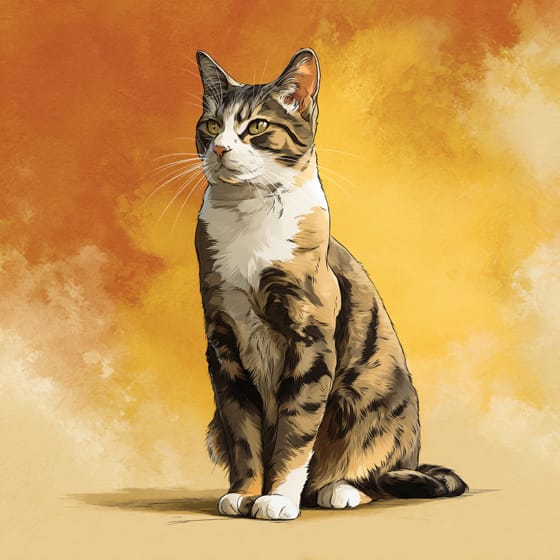
Felis catus
Attaches to their fur and skin to feed.
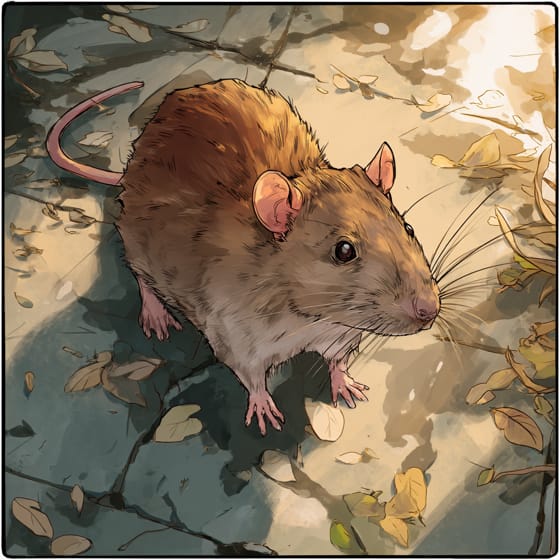
Rattus norvegicus
Can infest rats and transmit diseases.
Wildlife encompasses all undomesticated animal and plant life existing in their natural habitats.
This trait signifies organisms belonging to a very old evolutionary group with ancestors dating back millions of years.
This trait identifies organisms that exhibit exceptional swiftness in movement for hunting, escape, or travel.
This trait describes organisms that live on or in a host organism, obtaining nutrients at the host's expense.

This habitat trait indicates species that can coexist with humans in urban and suburban environments, utilizing man-made structures and green spaces.

Vampiric organisms are those that obtain nutrients by feeding on the blood or bodily fluids of other animals.

Nocturnal animals are primarily active during the nighttime hours, typically resting or sleeping during the day.

Venomous organisms produce toxins that are injected into another animal, typically through a bite or sting.
Danger
2/5 · Low
Avoid contact with stray animals to prevent flea bites. Always ask an adult for help if you suspect fleas on a pet.
The easiest way to identify Flea is to use the Snappit nature identifier app.
1.5-3.3 mm
14-100 days
Fleas drink blood from warm-blooded animals to get all the energy they need.
Urban areas
Ambush
6
Zoom in to split clusters and explore where this object has been snapped.
Recent snaps will appear here as new observations are added.
Take the discovery with you
Snap it with Snappit to identify it, learn what makes it special, and add the discovery to your collection.









.jpg&width=800)




