Florida Brownsnake
storeria victa
The Florida Brownsnake is a small and friendly snake that can often be found hiding in leaf litter. It loves to explore its environment, making it a fun creature to learn about!
Habitat: Florida Brownsnakes typically live in moist forests, grasslands, and near wetlands.
The Florida Brownsnake is a small, slender snake typically brown or reddish-brown with a light stripe down its back and small dark spots. It often has a faint, dark neck pattern, helping it blend perfectly with leaf litter.
Category
ReptilesRarity
Common
Danger
1/5 · Very low
Snaps
Be the first to snap!
If scared, they might release a musky scent, but they never bite humans.
These tiny snakes are one of the smallest species found in Florida!
They are completely harmless to humans and even help control garden pests like slugs.
Unlike many snakes, brownsnakes give birth to live baby snakes, not eggs!
Florida Brownsnake can vanish into leaf litter because of its dull, mottled brown scales that perfectly mimic natural debris.
Florida Brownsnake has a specialized mouth and teeth that help them grasp and swallow small, soft-bodied invertebrates like slugs and worms.
Florida Brownsnake can easily hide under rocks, logs, and garden debris, helping them avoid predators and find shelter.
Feasting on tiny, soft-bodied invertebrates, these snakes are nature's garden helpers.
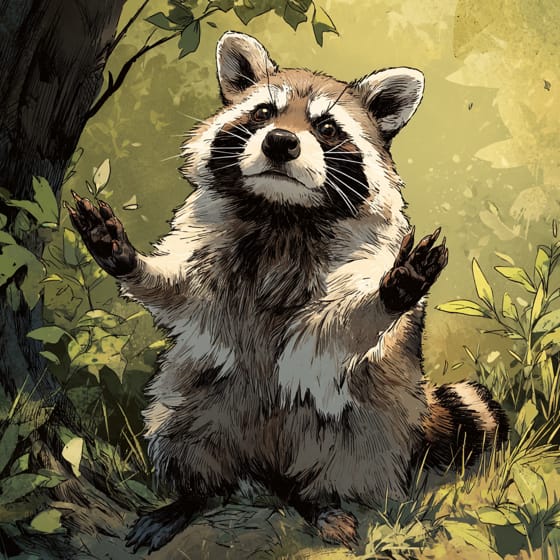
Procyon lotor
Small snakes are prey for opportunistic foragers.
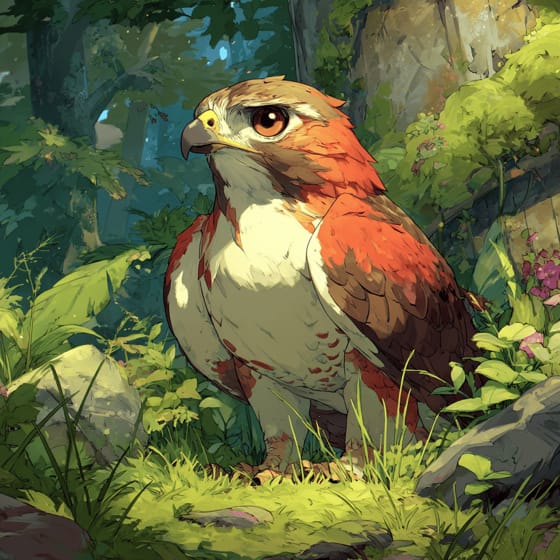
Buteo jamaicensis
Birds of prey hunt snakes from above.
Coluber constrictor
Larger snakes sometimes prey on smaller snake species.
Limax maximus
A primary food source for the brownsnake.
Lumbricus terrestris
Worms are a vital part of its diet.
Solitary animals live alone for most of their lives, only interacting with others for mating or parental care.
Camouflaged describes organisms that possess coloring or patterns that allow them to blend into their environment.
This trait identifies organisms whose diet consists entirely or primarily of animal tissue.
Nocturnal animals are primarily active during the nighttime hours, typically resting or sleeping during the day.
Danger
1/5 · Very low
Always observe snakes from a distance and do not try to touch them.
The easiest way to identify Florida Brownsnake is to use the Snappit nature identifier app.
18-33 cm
0.005-0.015 kg
2-5 years
0.7 km/h
Feasting on tiny, soft-bodied invertebrates, these snakes are nature's garden helpers.
Florida Brownsnakes typically live in moist forests, grasslands, and near wetlands.
Foraging
Zoom in to split clusters and explore where this object has been snapped.
Recent snaps will appear here as new observations are added.
Take the discovery with you
Snap it with Snappit to identify it, learn what makes it special, and add the discovery to your collection.