





Flowering-rush
Butomus umbellatus
Flowering-rush is a beautiful plant that grows in water. It has tall stems and pretty pink flowers that look like little umbrellas. It loves to be near ponds and lakes!
Habitat: Wetlands
The Flowering-rush has tall, sword-like leaves with a triangular cross-section, emerging from water. Its distinctive pink or white flowers grow in a rounded, umbrella-like cluster, called an umbel, atop a sturdy stem.
Category
PlantsRarity
Common
Danger
1/5 · Very low
Snaps
3
Ancient Snack!: Its starchy roots were roasted and eaten in Europe and Asia long ago.
Hidden Danger!: While beautiful, it can invade wetlands and outcompete important native plants.
Rush Hour Flowers!: Its scientific name, *umbellatus*, means "umbrella-like," describing its flower cluster.
Traveler Plant!: Tiny plantlets on its flower heads can drop and grow new plants.
Flowering-rush can grow both fully underwater and with leaves emerging, helping it adapt to changing water levels in wetlands.
It has strong rhizomes that help it spread widely and survive harsh winter conditions or periods of drought.
Fragments of its tough underwater stems and roots can sprout new plants, helping it recover quickly from damage.
Apis mellifera
Collects nectar and pollen from its pink flowers.
Anas platyrhynchos
Ducks sometimes eat its seeds or parts of the rhizomes.
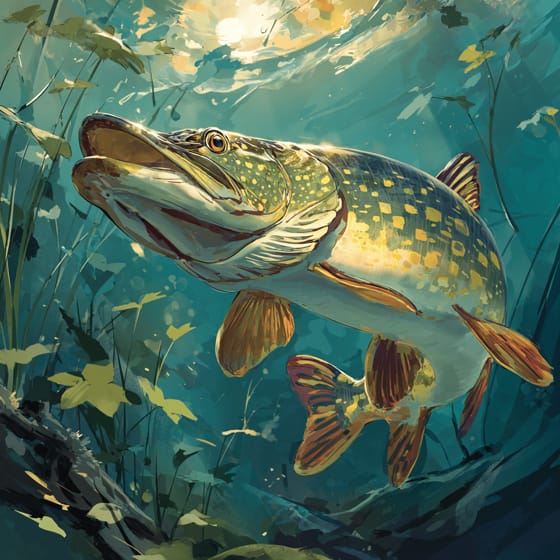
Esox lucius
Young pike hide in the dense underwater foliage for protection.
Rana pipiens
Frogs find cover and breeding sites within its stands.
Flowering plants are any plants that produce flowers as part of their reproductive cycle.
Cluster flowers are inflorescences where individual flowers are arranged closely together on a common stem.
Grass-like plants are herbaceous plants that visually resemble true grasses, typically having long, narrow leaves.
Summer blooming plants produce their flowers during the summer season, often providing vibrant color when many other plants have finished.

Colorful describes organisms or objects displaying a wide range of bright and distinct colors.

Describes plants that are particularly attractive and beneficial to a wide range of pollinating organisms.

This habitat trait identifies species found in wetlands, which are areas of land saturated with water, either permanently or seasonally, including marshes, swamps, and bogs.

Freshwater habitats include non-saline aquatic environments such as rivers, lakes, ponds, and wetlands, vital for numerous species.

Describes a species whose presence and role have a disproportionately large effect on its environment.

Aquatic habitats encompass environments where organisms live predominantly in water, including oceans, rivers, lakes, and wetlands.
No aliases listed yet.
Danger
1/5 · Very low
Always look but don’t touch plants without asking an adult first, as some plants can be prickly or have bugs.
The easiest way to identify Flowering-rush is to use the Snappit nature identifier app.
50-150 cm
30-60 cm
2-3 cm
Summer
Yes
None
Perennial
Zoom in to split clusters and explore where this object has been snapped.

Illinois, US
You might spot American Robin, Monarch, and Duck.
View guide →

Michigan, US
You might spot Bald Eagle, American White Pelican, and Painted Turtle.
View guide →

US
You might spot Monarch, Canada Goose, and Mute Swan.
View guide →

Michigan, US
You might spot Swamp Rose Mallow, Amur Honeysuckle, and Great Blue Heron.
View guide →
Take the discovery with you
Snap it with Snappit to identify it, learn what makes it special, and add the discovery to your collection.







.jpg&width=800)



_001.jpg&width=800)




