





stream violet
Viola glabella
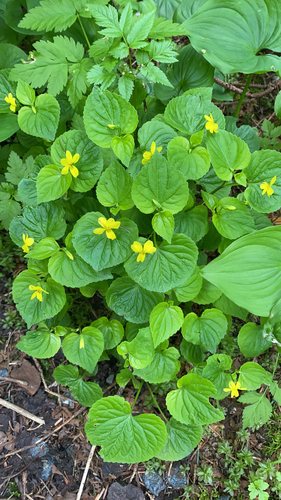
Stream violets are pretty little flowers that grow near water. They have bright purple petals and are loved by butterflies and bees!
Habitat: Wetlands
The stream violet has bright yellow flowers, often with delicate purple-brown veins that act as nectar guides for pollinators. Its vibrant blooms contrast beautifully with its heart-shaped, green leaves. It typically grows in small, spreading clumps.
Category
PlantsRarity
Common
Danger
1/5 · Very low
Snaps
6
Did you know stream violets can also make tiny, hidden flowers that never open?
Some ants love the special treat on stream violet seeds so much they help plant them!
The stream violet's bright yellow petals often have cool purple "honey guides" for insects!
This little plant loves to grow right next to gurgling streams and wet forest floors!
Stream violet can launch its seeds away from the parent plant using explosive capsules, helping them spread far and wide.
Stream violet has specialized leaves that efficiently capture sunlight even in dense shade, helping it thrive in forest understories.
Stream violet produces seeds with tasty elaiosomes, attracting ants that carry them to new locations, aiding dispersal.
Bombus bifarius
Gathers nectar and pollen from flowers.
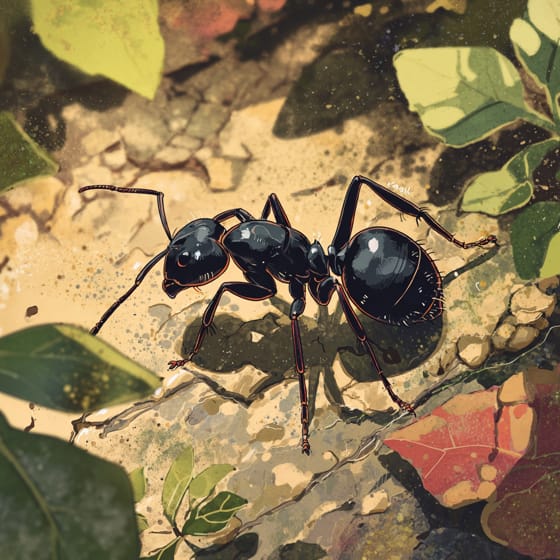
Lasius niger
Disperses seeds for their nutritious elaiosome.
Cerceris fumipennis
Visits flowers for nectar.

Colias eurytheme
Its larvae sometimes feed on violet leaves.
Flowering plants are any plants that produce flowers as part of their reproductive cycle.
Ornamental plants are cultivated primarily for their aesthetic appeal, enhancing landscapes and gardens with their attractive foliage, flowers, or form.
Spring blooming plants produce their flowers during the spring season, often signifying the end of winter and the start of new growth.
Fragrant flowers emit a pleasant aroma, often to attract pollinators or for defense.

Describes plants that are particularly attractive and beneficial to a wide range of pollinating organisms.

This habitat trait identifies species found in wetlands, which are areas of land saturated with water, either permanently or seasonally, including marshes, swamps, and bogs.

Freshwater habitats include non-saline aquatic environments such as rivers, lakes, ponds, and wetlands, vital for numerous species.
No aliases listed yet.
Danger
1/5 · Very low
Always look but don't pick flowers, so everyone can enjoy them!
The easiest way to identify stream violet is to use the Snappit nature identifier app.
5-30 cm
15-30 cm
1-2 cm
Spring to early summer
Yes
None
Perennial
Zoom in to split clusters and explore where this object has been snapped.
May 26, 2026
Sitka National Historical ParkPhoto attribution
(c) ashevillebirder, some rights reserved (CC BY)
License: CC BY 4.0 ↗
Image may be shown cropped inside the card frame.

Oregon, US
You might spot White Pasqueflower and Clark's Nutcracker.
View guide →

US
You might spot Variable Carpet Moth, Bald Eagle, and Red Huckleberry.
View guide →

Oregon, US
You might spot Rough-Skinned Newt and Northern Red-Legged Frog.
View guide →

Oregon, US
You might spot Great Camas, Columbian Larkspur, and Osoberry.
View guide →

Oregon, US
You might spot Pacific Trillium, Giant White Fawn Lily, and Candy Flower.
View guide →
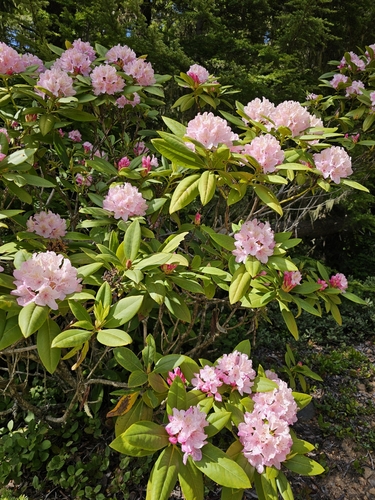
British Columbia, CA
You might spot Pacific Rhododendron, Vanilla Leaf, and Pacific Trillium.
View guide →
Take the discovery with you
Snap it with Snappit to identify it, learn what makes it special, and add the discovery to your collection.








.jpg&width=800)


_001.jpg&width=800)




