





fox sedge
Carex vulpinoidea
Fox sedge is a tall, grassy plant that grows in wet places like marshes and along streams. Its fluffy flower heads look like little fox tails waving in the breeze!
Habitat: Wetlands
The fox sedge is a clump-forming grass-like plant with distinct triangular stems and narrow, bright green leaves. Its most striking feature is its dense, spiky, cylindrical seed heads that emerge brownish-green, resembling a fox's tail.
Category
PlantsRarity
Common
Danger
1/5 · Very low
Snaps
2
Early American settlers sometimes used the tough leaves of sedges like this for weaving mats and baskets.
Its Latin name, *Carex vulpinoidea*, means "fox-like sedge," possibly for its bushy seed heads!
This tough plant can help clean water by absorbing extra nutrients and pollutants from wet soils.
Unlike many plants, fox sedge has solid, triangular stems you can feel if you roll them between your fingers!
Fox sedge can thrive in soggy soil and even shallow standing water, adapting its roots to low-oxygen conditions.
Fox sedge uses wind to carry its pollen, allowing it to reproduce efficiently in open environments.
Fox sedge can spread through rhizomes, forming dense mats that provide shelter for small animals.
Anas platyrhynchos
Eats the seeds of the sedge.
Microtus pennsylvanicus
Feeds on leaves and stems.
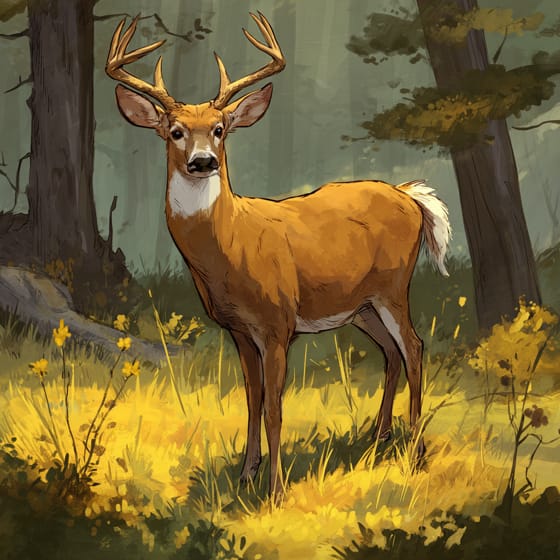
Odocoileus virginianus
Browses on the foliage.
Rana pipiens
Hides in dense sedge clumps.
Melanoplus femurrubrum
Consumes the leaves.
Deciduous plants periodically shed all their leaves, typically during autumn or dry seasons.
Flowering plants are any plants that produce flowers as part of their reproductive cycle.
Grass-like plants are herbaceous plants that visually resemble true grasses, typically having long, narrow leaves.
Summer blooming plants produce their flowers during the summer season, often providing vibrant color when many other plants have finished.

This habitat trait identifies species found in wetlands, which are areas of land saturated with water, either permanently or seasonally, including marshes, swamps, and bogs.
No aliases listed yet.
Danger
1/5 · Very low
Always stay on paths when exploring nature and be careful around water.
The easiest way to identify fox sedge is to use the Snappit nature identifier app.
30-90 cm
30-60 cm
Late spring to mid-summer
No
None
Perennial
Wind
Zoom in to split clusters and explore where this object has been snapped.
Take the discovery with you
Snap it with Snappit to identify it, learn what makes it special, and add the discovery to your collection.








.jpg&width=800)



_001.jpg&width=800)




