Eastern Gray Squirrel

Black Hawk State Historic Site offers a compelling journey through Illinois' rich cultural and natural heritage.
Black Hawk State Historic Site offers a compelling journey through Illinois' rich cultural and natural heritage. This 213-acre park, recognized as one of the "7 Wonders of Illinois," beautifully intertwines the ancient history of the Sauk and Meskwaki nations with stunning natural landscapes along the Rock River. It provides a unique opportunity to connect with the past and immerse yourself in a serene environment.
The site's centerpiece is the Watch Tower Lodge, a magnificent 1930s Civilian Conservation Corps (CCC) structure housing the John Hauberg Indian Museum. Here, visitors can explore captivating dioramas depicting the daily life of the Sauk and Meskwaki people, view a real Sauk dugout canoe, and see full-sized replicas of their winter (wickiup) and summer homes (longhouse). Beyond the museum, a network of 6 to 7 miles of hiking trails winds through a dedicated nature preserve, featuring ancient hardwood forests, a thriving prairie restoration area, and scenic bluffs overlooking the Rock River, making it a haven for birdwatchers and nature enthusiasts.
A visit to Black Hawk State Historic Site promises an enriching experience, blending profound historical insights with refreshing outdoor exploration. Whether you're drawn to the intricate details of Native American culture, the architectural beauty of the CCC-built lodge, or the tranquility of the forest trails and river views, the site offers a memorable escape into both Illinois' past and its pristine natural environment. Be ready to snap and learn! Get the Snappit app to identify any nature species you find here.
The area now known as Black Hawk State Historic Site holds deep historical roots, initially serving as Saukenuk, the primary village of the Sauk people, which was once the largest Native American settlement in Illinois with a population exceeding 5,000. After the displacement of the Sauk and Meskwaki tribes following the Black Hawk War, the site transitioned dramatically. In 1882, it became Watch Tower Park, a popular amusement park featuring attractions like a figure-eight roller coaster and the "Shoot the Chutes" toboggan slide, which reportedly reached speeds of up to 80 miles per hour as it skimmed across the Rock River. The State of Illinois acquired the land in 1927, renaming it Black Hawk State Park and demolishing the amusement park rides to establish a natural and historical preserve. The Civilian Conservation Corps (CCC) played a pivotal role in shaping the modern park between 1933 and 1935, constructing the iconic Watch Tower Lodge using local limestone and timber, developing hiking trails, and planting thousands of trees. In 1979, recognizing its significant Native American heritage, the site was officially redesignated as Black Hawk State Historic Site, and a portion of its forested area was declared a nature preserve in 1984, solidifying its commitment to both historical interpretation and ecological preservation.
Hike the moderate difficulty trails, learn about Sauk and Meskwaki culture, explore CCC history, birdwatch, picnic, and observe native flora and fauna.
Events like spring bird and wildflower walks, September prairie programs, and special Valentine's Day luminary walks occur seasonally.
Accessible parking spaces, paved sidewalks leading to the lodge, wheelchair-accessible lodge and restrooms. Audio tours are available in the museum. Some trails may have wooden plank bridges and boardwalks, with varying difficulty.
Features dioramas, artifacts, a Sauk dugout canoe, and full-sized replicas of Sauk winter and summer homes.
A historic CCC-built structure with two large stone fireplaces, available for event rentals.
Located in the lodge, detailing the CCC's impact on the park's development.
An impressive statue honoring the Sauk warrior.
Each card links to a full Explore page with photos, traits, and fun facts.
Start with the big picture, then zoom in to explore individual wildlife observations around this place.
Wear comfortable footwear
The site has extensive hiking trails, some with moderate difficulty, so comfortable shoes are a must.
Bring binoculars
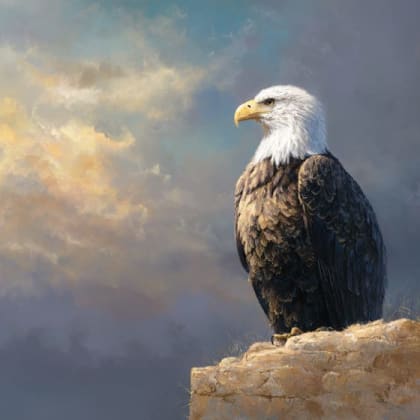
With over 175 species of birds, including Bald Eagles in winter, binoculars will enhance your birdwatching experience.
Allow sufficient time
Plan at least 2-3 hours to explore both the museum and some trails; a full day is recommended to fully appreciate all the site offers.
Pack a picnic
The park has three picnic areas with tables, grills, and shelters, perfect for enjoying a meal amidst nature.
Check for seasonal events
The site hosts various events like wildflower walks, bird walks, and historical programs throughout the year, which can enhance your visit.
Leash your pets
Pets are welcome on the trails but must be kept on a leash.
Jun 20, 2026
Jun 14, 2026
Jun 13, 2026
Jun 13, 2026
Jun 13, 2026

Maryland, US
You might spot White-Tailed Deer and Eastern Gray Squirrel.
View guide →
.jpg)
District of Columbia, US
You might spot Eastern Gray Squirrel, Duck, and House Sparrow.
View guide →

Illinois, US
You might spot American Robin, Canada Goose, and House Sparrow.
View guide →

Virginia, US
You might spot Spotted Lanternfly and Northern Cardinal.
View guide →
Take the discovery with you
Identify the wildlife you spot, learn as you go, and keep a collection of the adventure.