





French tamarisk
Tamarix gallica
The French tamarisk is a lovely shrub with tiny pink flowers. It grows near water and can help keep the soil healthy. Its delicate leaves are feathery and soft to touch!
Habitat: Coastal areas
The French tamarisk has delicate, feathery, scale-like grey-green leaves and reddish, flexible stems. It produces dense clusters of tiny, five-petaled pink or white flowers, giving the shrub a misty, cloud-like appearance.
Category
PlantsRarity
Common
Danger
1/5 · Very low
Snaps
Be the first to snap!
It can drink water saltier than the ocean! How cool is that?
Some call it the 'salt cedar' because its tiny leaves look a bit like cedar needles.
This plant can actually 'sweat' salt crystals from its leaves, leaving them glistening!
When blooming, its countless tiny pink flowers make the whole plant look like a misty, fuzzy cloud!
French tamarisk can grow in extremely salty soil, an amazing adaptation that helps it survive where most plants can't.
French tamarisk has deep roots that allow it to reach groundwater, helping it survive long periods of drought.
French tamarisk can form dense thickets with strong roots, which helps it stabilize riverbanks and sandy areas.
Apis mellifera
collects nectar and pollen from its flowers.
Diorhabda elongata
larvae and adults feed on its leaves.
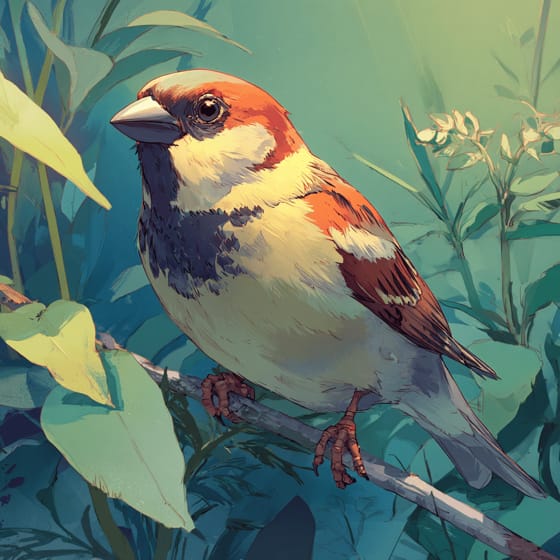
Passer domesticus
builds nests in its dense branches.
Deciduous plants periodically shed all their leaves, typically during autumn or dry seasons.
Flowering plants are any plants that produce flowers as part of their reproductive cycle.
A shrub is a woody plant smaller than a tree, typically with multiple stems branching from or near the ground.
Summer blooming plants produce their flowers during the summer season, often providing vibrant color when many other plants have finished.
Salt tolerant plants can withstand and grow in conditions with elevated salinity levels in the soil or water.

Describes plants that are particularly attractive and beneficial to a wide range of pollinating organisms.

Coastal habitats are dynamic environments located along the interface between land and sea, influenced by tides, waves, and saltwater.
No aliases listed yet.
Danger
1/5 · Very low
Always stay on paths when exploring nature and don't touch plants without asking an adult.
The easiest way to identify French tamarisk is to use the Snappit nature identifier app.
100-500 cm
100-500 cm
0.2-0.3 cm
Spring to summer
No
None
Perennial
Zoom in to split clusters and explore where this object has been snapped.
Recent snaps will appear here as new observations are added.
Take the discovery with you
Snap it with Snappit to identify it, learn what makes it special, and add the discovery to your collection.







.jpg&width=800)



_001.jpg&width=800)




