





Curly-Leaf Pondweed
potamogeton crispus
Curly-Leaf Pondweed is a fun aquatic plant that twists and curls its leaves in the water! It provides a great home for fish and other critters in ponds and lakes.
Habitat: Freshwater ponds and lakes
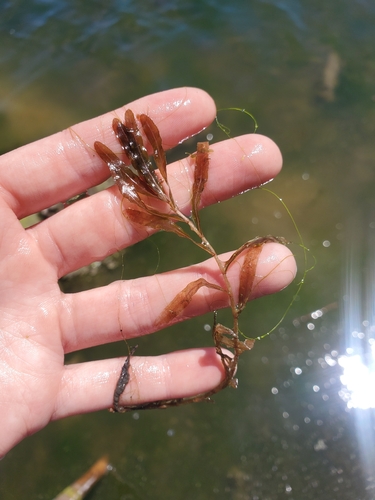
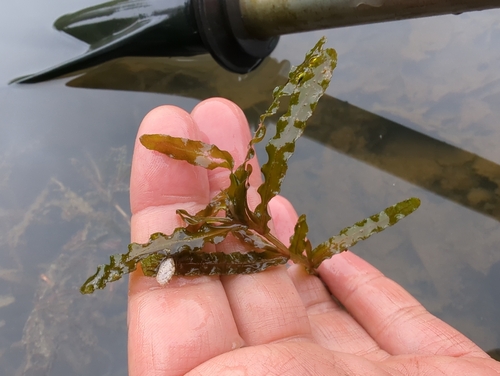
The Curly-Leaf Pondweed is a submerged aquatic plant featuring distinct wavy, reddish-green, translucent leaves with finely crinkled edges. Its slender stems often have a reddish tint. These unique leaves make it easily distinguishable from other straight-leaved pondweeds.
Category
PlantsRarity
Common
Danger
0/5 · No known danger
Snaps
8
Curly-Leaf Pondweed can grow even in polluted waters where other plants struggle!
Its special winter buds can stay dormant for years before sprouting!
Its unique wavy leaves help it catch more sunlight underwater!
This plant spreads incredibly fast by breaking into tiny pieces!
Curly-Leaf Pondweed can grow actively in cold water, even under ice, giving it a head start on other plants in spring.
Curly-Leaf Pondweed forms special winter buds called turions that sink and survive harsh conditions, helping it reproduce and spread.
Curly-Leaf Pondweed has roots and leaves that absorb nutrients directly from the water and sediment, helping it grow quickly.
Anas platyrhynchos
Waterfowl eat its leaves and winter buds.
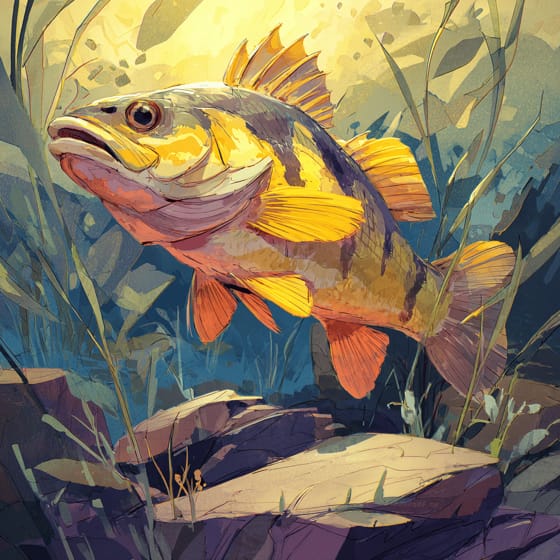
Perca flavescens
Small fish hide within its dense underwater beds.
Lymnaea stagnalis
Aquatic snails graze on its submerged leaves.
Colorful describes organisms or objects displaying a wide range of bright and distinct colors.
Filter feeders obtain nutrients by straining suspended food particles and small organisms from water.
This trait characterizes organisms whose diet consists entirely or primarily of plant material.
Describes organisms that break down dead organic material, recycling nutrients back into the ecosystem.

Aquatic habitats encompass environments where organisms live predominantly in water, including oceans, rivers, lakes, and wetlands.
Danger
0/5 · No known danger
No special safety notes yet.
The easiest way to identify Curly-Leaf Pondweed is to use the Snappit nature identifier app.
30-200 cm
0.1-0.3 cm
Summer
Yes
None
Perennial
Water
Zoom in to split clusters and explore where this object has been snapped.
May 11, 2026
Hoosier Prairie State Nature PreservePhoto attribution
(c) Katie Kucera, some rights reserved (CC BY)
License: CC BY 4.0 ↗
Image may be shown cropped inside the card frame.
May 6, 2026
Bat Cave and Cascade Caverns State Nature PreservesPhoto attribution
(c) Anna Hess, some rights reserved (CC BY)
License: CC BY 4.0 ↗
Image may be shown cropped inside the card frame.

New Jersey, US
You might spot Green Frog, Spongy Moth, and American Toad.
View guide →

Ohio, US
You might spot Sand Tiger Shark, Nurse Shark, and Cow.
View guide →

Kentucky, US
You might spot Large White Trillium and Sharp-Lobed Hepatica.
View guide →
Ohio, US
You might spot Sand Tiger Shark, Nurse Shark, and Cow.
View guide →

Indiana, US
You might spot Sweetfern, Blue-Spotted Salamander, and Sensitive Fern.
View guide →

Ohio, US
You might spot Bluegill, Duck, and Eastern Forktail.
View guide →
Take the discovery with you
Snap it with Snappit to identify it, learn what makes it special, and add the discovery to your collection.









.jpg&width=800)



_001.jpg&width=800)




