





Galerita Bicolor
galerita bicolor
The Galerita Bicolor is a colorful insect that loves to explore gardens and parks. Kids will be amazed by its bright colors and unique patterns!
Habitat: Galerita Bicolor loves to live in gardens, forests, and grassy areas.
The Galerita Bicolor is a striking beetle with a dark metallic blue to greenish-black body. It has a contrasting reddish-orange head and prothorax, and long, slender antennae and legs, making its two-toned appearance quite distinctive.
Category
InsectsRarity
Common
Danger
1/5 · Very low
Snaps
2
Adult Galerita Bicolor can live up to two years, hunting for food at night!
It's called the 'Two-Colored Ground Beetle' for its bright, contrasting body colors!
Its babies, called larvae, live by eating the insides of moth pupae!
These beetles are known for their incredibly fast running speed on the forest floor!
Galerita Bicolor can spray noxious formic acid because of glands that helps them deter predators.
Galerita Bicolor has bright reddish-orange colors that helps them warn predators they are not tasty.
Galerita Bicolor can actively hunt in the dark because of good senses that helps them find insect prey.
Galerita Bicolor larvae can parasitize moth pupae because of specialized behaviors that helps them grow.
A fierce night hunter, it eats other small forest creatures.
Malacosoma americanum
Adults and larvae prey on these caterpillars.
Deroceras reticulatum
This beetle actively preys on slugs.
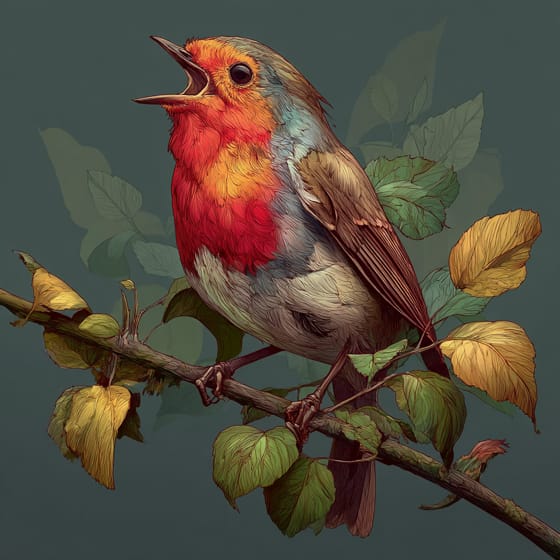
Turdus migratorius
Robins sometimes eat these beetles.
Sorex cinereus
Shrews might prey on beetles found on ground.
Social animals live in organized groups, cooperating for survival benefits such as foraging, defense, and raising offspring.
Colorful describes organisms or objects displaying a wide range of bright and distinct colors.
This trait characterizes organisms whose diet consists entirely or primarily of plant material.
This trait identifies organisms whose diet consists entirely or primarily of animal tissue.

Diurnal animals are primarily active during daylight hours, typically resting or sleeping at night.

Describes organisms that transfer pollen, enabling the fertilization and reproduction of plants.
Danger
1/5 · Very low
Always observe insects from a distance to keep both you and the insect safe.
The easiest way to identify Galerita Bicolor is to use the Snappit nature identifier app.
30-50 mm
14-19 mm
365-730 days
8 km/h
A fierce night hunter, it eats other small forest creatures.
Galerita Bicolor loves to live in gardens, forests, and grassy areas.
Ambush
Zoom in to split clusters and explore where this object has been snapped.
Take the discovery with you
Snap it with Snappit to identify it, learn what makes it special, and add the discovery to your collection.








.jpg&width=800)



