





giant orchid
Himantoglossum robertianum
The giant orchid is a beautiful flower with long, unique shapes. It can grow quite tall and has a lovely scent that attracts butterflies and bees.
Habitat: Grasslands
The giant orchid has a stout stem topped with a dense cluster of purplish-green to brownish-purple flowers. Each flower displays a distinctive large, deeply lobed lip, often white or pinkish with dark spots, resembling a small figure.
Category
PlantsRarity
Rare
Danger
1/5 · Very low
Snaps
Be the first to snap!
Giant orchid seeds are tinier than dust, so small they float on the wind!
Its name 'Himantoglossum' means 'strap tongue', describing its long, wavy lip!
Some people think its flowers look like tiny little people or dancers!
This orchid can pop up surprisingly early, even in late winter!
Giant orchid uses its hidden underground tubers to store food, helping it survive and grow back each year.
This orchid produces a sweet honey-like scent, a powerful signal that guides busy bees right to its flowers for pollination.
Apis mellifera
visits flowers for nectar and transfers pollen

Helix aspersa
snails sometimes feed on leaves and young shoots
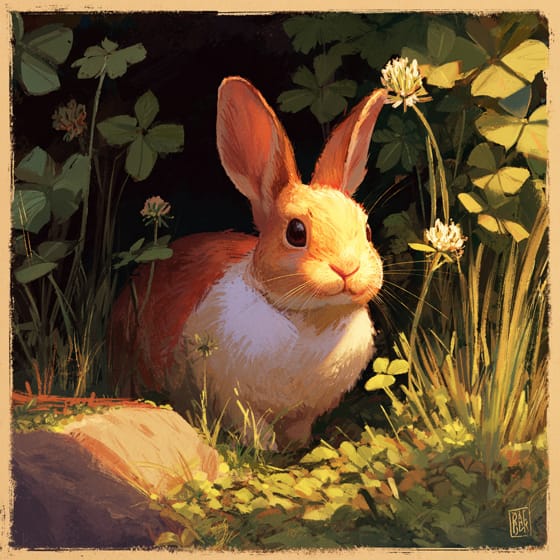
Oryctolagus cuniculus
rabbits might browse on the plant's tender parts
Aromatic plants produce and emit fragrant volatile organic compounds, often for defense or to attract pollinators.
Flowering plants are any plants that produce flowers as part of their reproductive cycle.
Summer blooming plants produce their flowers during the summer season, often providing vibrant color when many other plants have finished.
Fragrant flowers emit a pleasant aroma, often to attract pollinators or for defense.

Colorful describes organisms or objects displaying a wide range of bright and distinct colors.

Grassland habitats are terrestrial biomes dominated by grasses and herbaceous plants, supporting a variety of grazing animals.

Describes plants that are particularly attractive and beneficial to a wide range of pollinating organisms.

Endangered status indicates a species is at a very high risk of extinction in the wild in the near future.
No aliases listed yet.
Danger
1/5 · Very low
Always look but don't pick flowers, as they are important for nature.
The easiest way to identify giant orchid is to use the Snappit nature identifier app.
20-80 cm
10-30 cm
1-2.5 cm
Late winter to early spring
No
None
Perennial
Zoom in to split clusters and explore where this object has been snapped.
Recent snaps will appear here as new observations are added.
Take the discovery with you
Snap it with Snappit to identify it, learn what makes it special, and add the discovery to your collection.









.jpg&width=800)


_001.jpg&width=800)




