





Pacific ninebark
Physocarpus capitatus
The Pacific ninebark is a fun shrub with beautiful, peeling bark and lovely white flowers. It grows in clusters and is great for attracting butterflies and bees!
Habitat: Wetlands
The Pacific ninebark is a deciduous shrub with striking reddish-brown bark that peels away in papery layers. It features clusters of small, five-petaled white to pinkish flowers, often appearing fuzzy from numerous stamens. Its leaves are lobed, bright green, and turn yellow or bronze in autumn.
Category
PlantsRarity
Common
Danger
1/5 · Very low
Snaps
10
"Ninebark" refers to its amazing bark constantly peeling away in many thin, papery layers.
Even after its leaves fall, its beautiful exfoliating bark makes it interesting to look at all winter!
Its tough bark was traditionally woven into strong ropes and fishing nets by indigenous peoples!
This hardy shrub can thrive in both very wet soil and drier conditions once established.
Pacific ninebark has unique peeling bark that helps it shed moss and lichens, keeping its woody stems healthy and strong.
Its extensive root system allows Pacific ninebark to anchor soil firmly, helping it prevent erosion along stream banks.
The clusters of tiny white flowers on Pacific ninebark attract a wide variety of busy bees and other helpful pollinating insects.
Bombus bifarius
collects nectar and pollen
Apis mellifera
gathers nectar from its flowers
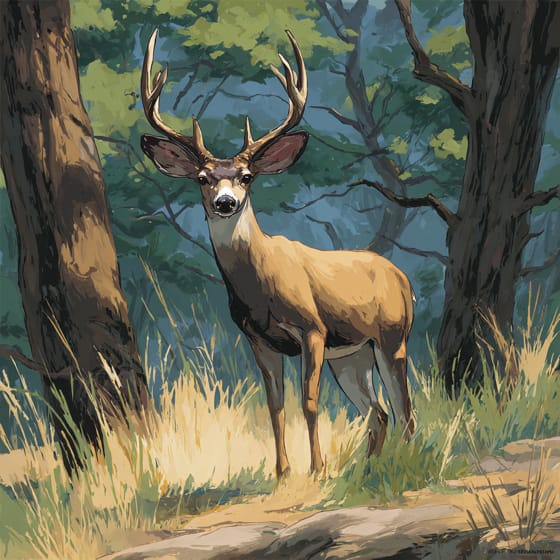
Odocoileus hemionus
browses its leaves and twigs
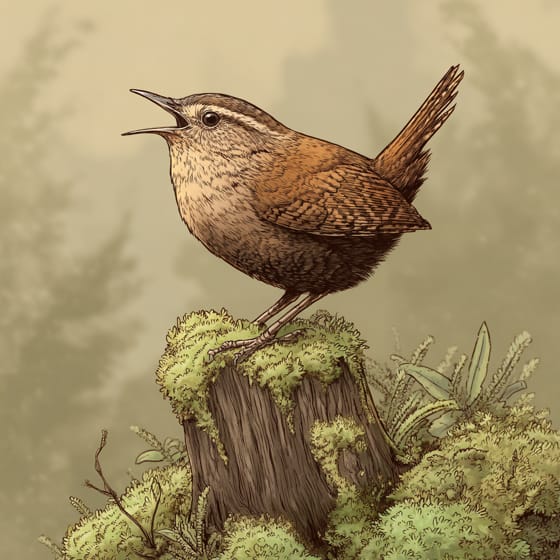
Troglodytes pacificus
nests in its dense branches
Deciduous plants periodically shed all their leaves, typically during autumn or dry seasons.
Flowering plants are any plants that produce flowers as part of their reproductive cycle.
Cluster flowers are inflorescences where individual flowers are arranged closely together on a common stem.
A shrub is a woody plant smaller than a tree, typically with multiple stems branching from or near the ground.

Fragrant flowers emit a pleasant aroma, often to attract pollinators or for defense.

Describes plants that are particularly attractive and beneficial to a wide range of pollinating organisms.

This habitat trait identifies species found in wetlands, which are areas of land saturated with water, either permanently or seasonally, including marshes, swamps, and bogs.
No aliases listed yet.
Danger
1/5 · Very low
Always stay on paths when exploring nature and don't touch plants without asking an adult.
The easiest way to identify Pacific ninebark is to use the Snappit nature identifier app.
100-600 cm
100-500 cm
0.5-1.5 cm
Late spring to early summer
No
None
Perennial
Zoom in to split clusters and explore where this object has been snapped.

Oregon, US
You might spot Duck, Pacific Trillium, and Wood Duck.
View guide →

Washington, US
You might spot Pacific Banana Slug and Oregon Forestsnail.
View guide →

California, US
You might spot Western Azalea, Pacific Trillium, and Western Columbine.
View guide →

California, US
You might spot Pacific Banana Slug and Western Lily Of The Valley.
View guide →

Oregon, US
You might spot Oregon Oak, Tree-Of-Heaven, and Garter Snake.
View guide →

Oregon, US
You might spot Pacific Trillium, Giant White Fawn Lily, and Candy Flower.
View guide →
Take the discovery with you
Snap it with Snappit to identify it, learn what makes it special, and add the discovery to your collection.






.jpg&width=800)


_001.jpg&width=800)




