





Giant Strong-Nosed Stink Bug
alcaeorrhynchus grandis
The Giant Strong-Nosed Stink Bug has a unique long nose that helps it smell delicious plants! These bugs can be found in gardens and forests, making them fun to spot during nature walks.
Habitat: Gardens and forests
The Giant Strong-Nosed Stink Bug is a robust insect, often showcasing a mottled pattern of browns, yellows, and oranges across its shield-shaped back. It has a distinctive, thick 'nose' or rostrum and dark antennae, making it visually imposing among other stink bugs.
Category
InsectsRarity
Common
Danger
1/5 · Very low
Snaps
1
Did you know this bug is a helpful hunter, feasting on garden pests? Wow!
Some call them "spined soldier bugs" because of their tough, armored look!
Their babies look totally different, starting as tiny, spiny nymphs!
They can "talk" by vibrating plants, sending messages to other stink bugs!
Giant Strong-Nosed Stink Bug can release a pungent odor because of special glands that helps them deter predators.
Giant Strong-Nosed Stink Bug has a thick, piercing rostrum that helps them suck fluids from plants and prey.
Giant Strong-Nosed Stink Bug can blend in with its surroundings because of its mottled coloration that helps them hide.
Giant Strong-Nosed Stink Bug sometimes guards its eggs that helps protect them from tiny predators until they hatch.
This bug is a mighty hunter, sipping the juices of other insects and sometimes plants!
Age differences: Nymphs also hunt, but may target smaller insect larvae due to their size.
Spodoptera frugiperda
common pest it preys on
Epilachna varivestis
larvae and adults are prey
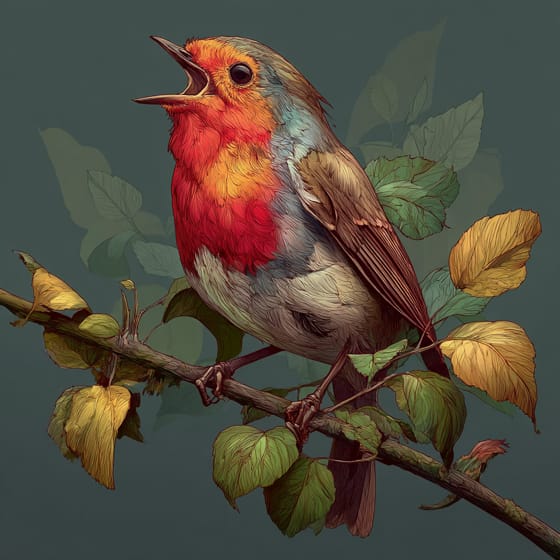
Turdus migratorius
a common bird predator
Phidippus audax
small, quick spider predator
Colorful describes organisms or objects displaying a wide range of bright and distinct colors.
This trait characterizes organisms whose diet consists entirely or primarily of plant material.
Forest habitats are terrestrial environments dominated by dense tree cover, supporting a high diversity of plant and animal life.
Diurnal animals are primarily active during daylight hours, typically resting or sleeping at night.

Nocturnal animals are primarily active during the nighttime hours, typically resting or sleeping during the day.
Danger
1/5 · Very low
Do not touch them as they can release a strong smell.
The easiest way to identify Giant Strong-Nosed Stink Bug is to use the Snappit nature identifier app.
30-45 mm
15-22 mm
30-90 days
8 km/h
This bug is a mighty hunter, sipping the juices of other insects and sometimes plants!
Gardens and forests
Ambush
Zoom in to split clusters and explore where this object has been snapped.
Take the discovery with you
Snap it with Snappit to identify it, learn what makes it special, and add the discovery to your collection.








.jpg&width=800)


