





Gilias
Gilia
Gilias are beautiful flowers that bloom in bright colors. They attract butterflies and bees, making gardens lively and fun!
Habitat: Grasslands
The Gilias has delicate, often star-shaped or trumpet-like flowers that bloom in clusters. Their petals display vibrant blues, purples, pinks, or whites, sometimes with contrasting yellow or black centers, making them stand out in arid landscapes.
Category
PlantsRarity
Common
Danger
1/5 · Very low
Snaps
Be the first to snap!
Before blooming, Gilias plants can look like fuzzy green balls, transforming dramatically into flowers!
Certain Gilias seeds need a 'cold snap' to sprout, waiting for the perfect conditions to grow!
Some Gilias flowers can have up to five colors on a single bloom, like a tiny rainbow!
The scientific name 'Gilia' honors an Italian natural historian named Filippo Luigi Gilii!
Gilias has brightly colored flowers and sweet nectar that attract many different types of bees and butterflies for pollination.
Many Gilia species have adaptations like deep taproots or short lifecycles that help them survive in dry, arid environments.
Some Gilias species have tiny sticky hairs on their stems which can trap small insects, protecting the plant from pests.
Apis mellifera
Visits Gilia flowers for nectar and pollen.

Bombus vosnesenskii
An important native pollinator of Gilia flowers.
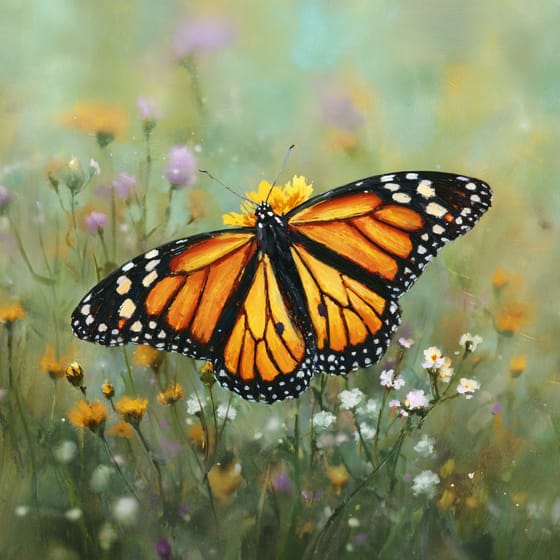
Danaus plexippus
Adult Monarchs visit Gilia flowers for nectar.
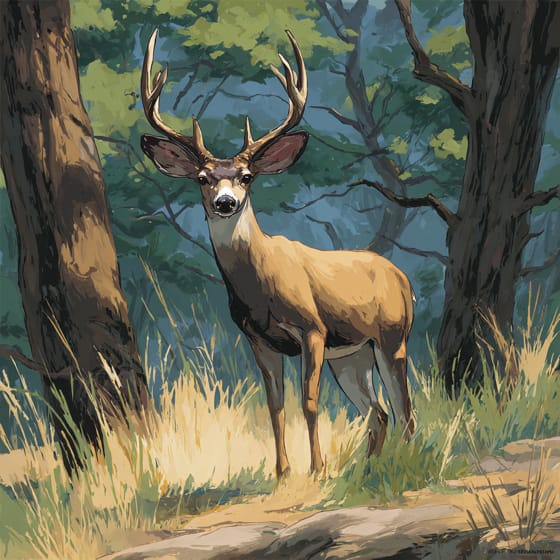
Odocoileus hemionus
Browses on the leaves and stems of Gilia plants.
Flowering plants are any plants that produce flowers as part of their reproductive cycle.
Spring blooming plants produce their flowers during the spring season, often signifying the end of winter and the start of new growth.
Fragrant flowers emit a pleasant aroma, often to attract pollinators or for defense.
Drought-tolerant plants can survive and flourish in conditions with limited water availability.

Colorful describes organisms or objects displaying a wide range of bright and distinct colors.

Grassland habitats are terrestrial biomes dominated by grasses and herbaceous plants, supporting a variety of grazing animals.

Describes plants that are particularly attractive and beneficial to a wide range of pollinating organisms.
No aliases listed yet.
Danger
1/5 · Very low
Always look but don't pick flowers to help them grow for everyone to enjoy.
The easiest way to identify Gilias is to use the Snappit nature identifier app.
10-90 cm
15-45 cm
1-3 cm
Late spring to mid-summer
No
None
Annual
Zoom in to split clusters and explore where this object has been snapped.
Recent snaps will appear here as new observations are added.
Take the discovery with you
Snap it with Snappit to identify it, learn what makes it special, and add the discovery to your collection.








.jpg&width=800)


_001.jpg&width=800)




