





mountain lady's-slipper
Cypripedium montanum
The mountain lady's-slipper is a beautiful flower that looks like a lady's shoe! It grows in the wild and has soft, pink petals. This flower is special because it only blooms in certain places, making it a treasure to find.
Habitat: Mountain regions
The mountain lady's-slipper has a distinctive, slipper-shaped pouch that is usually creamy white, sometimes tinged with pink or purple. Its two long, twisted lateral petals and sepals are typically slender and can range from greenish-yellow to maroon, adding to its unique forest charm.
Category
PlantsRarity
Rare
Danger
1/5 · Very low
Snaps
3
It can take over 10 years for a mountain lady's-slipper plant to produce its first flower!
Its unique flower shape helps tiny bees enter but makes exiting a fun challenge!
Many people call these flowers "fairy slippers" because of their delicate, magical look.
Some parts of this orchid have been used in traditional medicine for calm and sleep.
The mountain lady's-slipper can trap insects inside its slipper-shaped pouch, guiding them past pollen to ensure successful pollination.
Mountain lady's-slipper seeds depend on special fungi to germinate and grow, forming an essential underground partnership.
This plant has an amazing ability to live for many decades, growing slowly in its cool forest home.
Bombus bifarius
Visits flowers, collecting pollen while helping pollination.
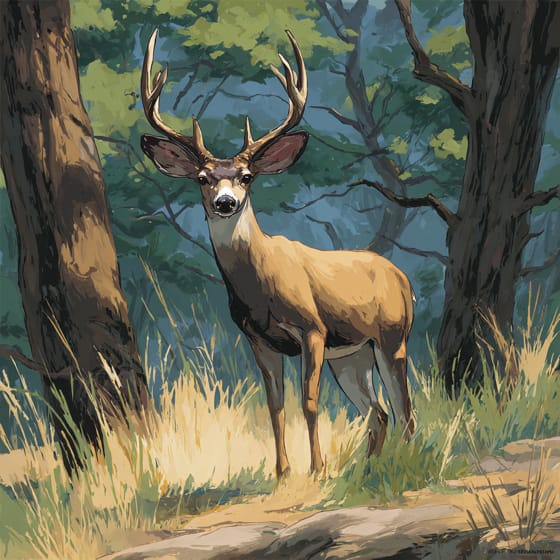
Odocoileus hemionus
Deer browse on young plants and leaves, especially in meadows.
Tulasnella calospora
Crucial for seed germination and nutrient uptake by orchid roots.
Flowering plants are any plants that produce flowers as part of their reproductive cycle.
Describes plants that are particularly attractive and beneficial to a wide range of pollinating organisms.
This habitat trait identifies species found in mountainous regions, characterized by high elevation, steep slopes, and varying climate zones.
Forest habitats are terrestrial environments dominated by dense tree cover, supporting a high diversity of plant and animal life.

This trait characterizes organisms with an exceptionally long lifespan compared to others of their kind.

Threatened status denotes a species likely to become endangered in the foreseeable future without effective conservation interventions.

Describes organisms that transfer pollen, enabling the fertilization and reproduction of plants.

Endangered status indicates a species is at a very high risk of extinction in the wild in the near future.
No aliases listed yet.
Danger
1/5 · Very low
Do not pick the flowers; they need to stay in nature to grow.
The easiest way to identify mountain lady's-slipper is to use the Snappit nature identifier app.
20-70 cm
15-30 cm
2-4 cm
Late spring to mid-summer (May-July)
No
None
Perennial
Zoom in to split clusters and explore where this object has been snapped.

Montana, US
You might spot Thimbleberry, White-Tailed Deer, and Spreading Dogbane.
View guide →

Montana, US
You might spot Baker's Mariposa Lily, Yellow Beardtongue, and Elk.
View guide →

Montana, US
You might spot Western Toad and Mountain Lady's-Slipper.
View guide →

British Columbia, CA
You might spot Western Columbine and Mountain Lady's-Slipper.
View guide →
Take the discovery with you
Snap it with Snappit to identify it, learn what makes it special, and add the discovery to your collection.








.jpg&width=800)



_001.jpg&width=800)



