





Yellow-faced Bumble Bee
Bombus vosnesenskii
The Yellow-faced Bumble Bee is a fuzzy little insect that loves to buzz around flowers. They are important pollinators, helping plants grow by spreading pollen as they collect nectar.
Habitat: Grasslands
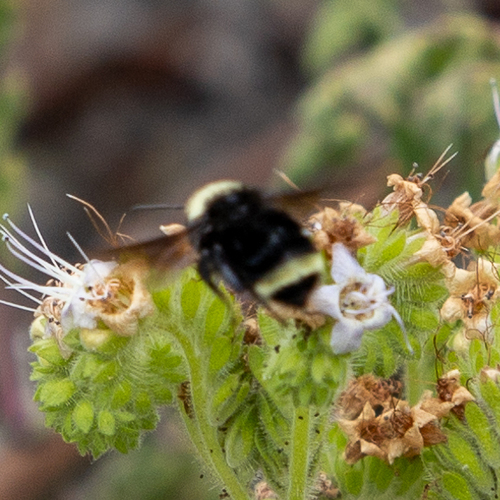
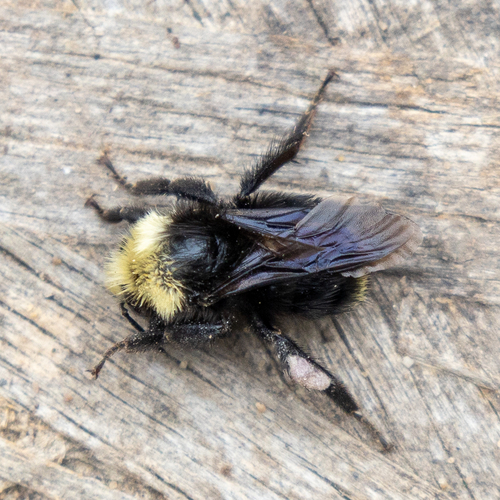
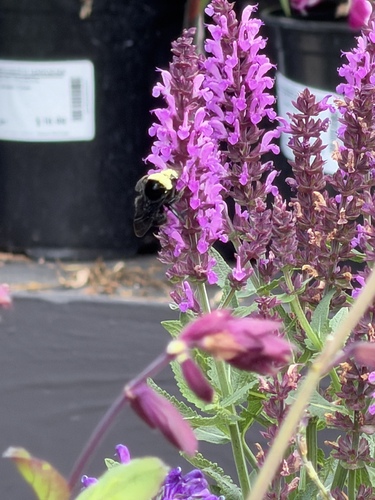
The Yellow-faced Bumble Bee is a medium to large bee with a mostly black body, striking bright yellow bands, especially on the front of its head (face) and the top of its thorax. It also has a distinct yellow patch on the first segment of its abdomen, making it stand out from other bumble bees.
Category
InsectsRarity
Common
Danger
2/5 · Low
Snaps
13
Bumble bees can 'learn' which flowers have the best nectar by remembering their colours!
If their nest is disturbed, they can bite AND sting, but they usually just want to be left alone!
Queens wake up first in spring, starting a whole new colony all by herself!
They use an amazing internal compass to find their way home, even after long flights.
The Yellow-faced Bumble Bee can 'buzz pollinate' by vibrating flowers, shaking out hidden pollen that helps plants create more seeds.
The Yellow-faced Bumble Bee has a special ability to shiver its flight muscles to warm up, allowing it to forage in cooler weather.
The Yellow-faced Bumble Bee has special 'pollen baskets' on its legs that help them carry large loads of pollen back to their colony.
They drink sweet flower nectar for energy and gather pollen for their growing babies.
Lupinus arboreus
Helps this native plant produce seeds.
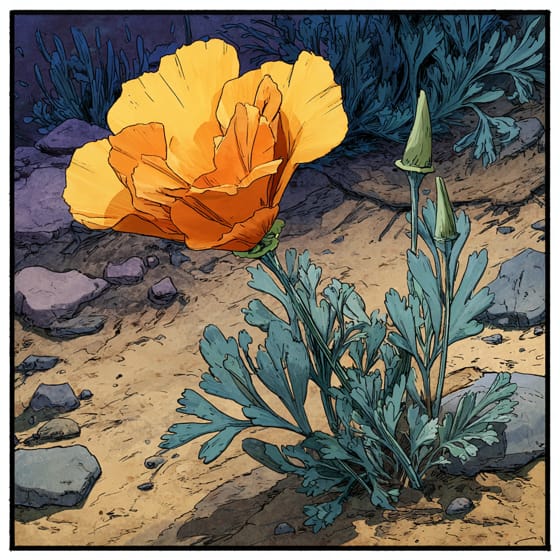
Eschscholzia californica
Transfers pollen for this iconic state flower.
_Misumena_vatia_male.jpg&width=800)
Misumena vatia
Often ambushed by this camouflaged hunter.
.jpg&width=800)
Tyrannus verticalis
Can be caught by this bird mid-flight.
Furry describes animals possessing a dense covering of soft hair or fur.
Social animals live in organized groups, cooperating for survival benefits such as foraging, defense, and raising offspring.
Grassland habitats are terrestrial biomes dominated by grasses and herbaceous plants, supporting a variety of grazing animals.
This trait characterizes organisms whose diet consists entirely or primarily of plant material.

Describes plants that are particularly attractive and beneficial to a wide range of pollinating organisms.

Diurnal animals are primarily active during daylight hours, typically resting or sleeping at night.

Describes a species whose presence and role have a disproportionately large effect on its environment.

Describes organisms that transfer pollen, enabling the fertilization and reproduction of plants.
No aliases listed yet.
Danger
2/5 · Low
Be gentle and quiet around bees. They are usually friendly and only sting if they feel scared.
The easiest way to identify Yellow-faced Bumble Bee is to use the Snappit nature identifier app.
18-35 mm
9-22 mm
20-40 days
25 km/h
They drink sweet flower nectar for energy and gather pollen for their growing babies.
Grasslands
Foraging
Zoom in to split clusters and explore where this object has been snapped.
Jun 6, 2026
Venice Canal Historic DistrictPhoto attribution
(c) Roberto Daniel Avila, some rights reserved (CC BY)
License: CC BY 4.0 ↗
Image may be shown cropped inside the card frame.
Jun 6, 2026
Venice Canal Historic DistrictPhoto attribution
(c) Roberto Daniel Avila, some rights reserved (CC BY)
License: CC BY 4.0 ↗
Image may be shown cropped inside the card frame.
Jun 5, 2026
Sherman Library and GardensPhoto attribution
(c) Ike Ikemori, some rights reserved (CC BY)
License: CC BY 4.0 ↗
Image may be shown cropped inside the card frame.

California, US
You might spot California Poppy and Common Side-Blotched Lizard.
View guide →

California, US
You might spot Peridot Sweat Bee and Western Fence Lizard.
View guide →

Washington, US
You might spot Rock Pigeon, American Crow, and Pigeon Guillemot.
View guide →

California, US
You might spot Western Fence Lizard, Duck, and Black Phoebe.
View guide →

US
You might spot Ochre Sea Star and Giant Green Anemone.
View guide →

Washington, US
You might spot Rock Pigeon, Pigeon Guillemot, and American Crow.
View guide →
Take the discovery with you
Snap it with Snappit to identify it, learn what makes it special, and add the discovery to your collection.





.jpg&width=800)



