





Golden Ground Beetle
Carabus auratus
The Golden Ground Beetle is a shiny, beautiful bug that loves to hide under leaves and rocks. It helps keep the garden healthy by eating pests like slugs and snails.
Habitat: Forests
The Golden Ground Beetle is a large, striking insect, typically 2-3 cm long. It has a distinctive iridescent, coppery-gold or metallic green body with a textured, ridged surface. Its vibrant, gleaming coloration makes it stand out among other ground beetles.
Category
InsectsRarity
Common
Danger
1/5 · Very low
Snaps
2
Female Golden Ground Beetles can lay hundreds of tiny eggs, safely hidden deep in the soil!
Imagine having jaws like tiny scissors! These beetles use theirs to snip up soft prey!
Its scientific name, *auratus*, means 'golden' in Latin, perfectly describing its dazzling shimmer!
Some Golden Ground Beetles communicate using special smells, called pheromones, to find mates!
Golden Ground Beetle can sprint incredibly fast on its long legs to chase down prey or escape predators.
Golden Ground Beetle can spray irritating chemicals from its rear end because it helps them deter hungry attackers.
Golden Ground Beetle has excellent night vision that helps them hunt for slugs and other prey in the dark.
Golden Ground Beetle can dig quickly into loose soil using its strong legs to hide or burrow.
A speedy hunter that devours slugs, snails, and other small insects to keep gardens healthy.
Arion lusitanicus
A favorite meal for the beetle, controlling garden pests.

Cornu aspersum
Hunts and consumes snails, even cracking their shells.
Turdus merula
A tasty snack for various birds foraging in gardens.
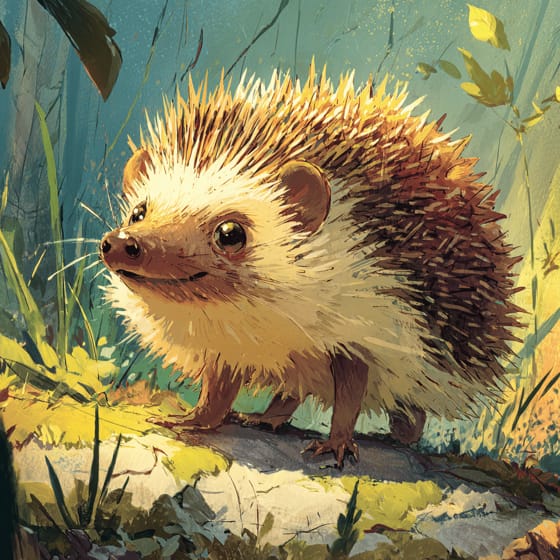
Erinaceus europaeus
Hedgehogs often find and eat these beetles during hunts.
Solitary animals live alone for most of their lives, only interacting with others for mating or parental care.
Colorful describes organisms or objects displaying a wide range of bright and distinct colors.
This trait identifies organisms whose diet primarily consists of insects and other small invertebrates.
Describes organisms that break down dead organic material, recycling nutrients back into the ecosystem.

Forest habitats are terrestrial environments dominated by dense tree cover, supporting a high diversity of plant and animal life.

This trait identifies organisms that exhibit exceptional swiftness in movement for hunting, escape, or travel.

Describes organisms that transfer pollen, enabling the fertilization and reproduction of plants.
No aliases listed yet.
Danger
1/5 · Very low
Be gentle and don't touch bugs unless you know they are safe.
The easiest way to identify Golden Ground Beetle is to use the Snappit nature identifier app.
40-60 mm
20-32 mm
730-1825 days
A speedy hunter that devours slugs, snails, and other small insects to keep gardens healthy.
Forests
Pursuit
6
Zoom in to split clusters and explore where this object has been snapped.
Take the discovery with you
Snap it with Snappit to identify it, learn what makes it special, and add the discovery to your collection.










.jpg&width=800)


