





Golden marguerite
Cota tinctoria
The Golden marguerite is a bright yellow flower that loves to grow in sunny places. Its cheerful color can make any garden look happy and bright!
Habitat: Grasslands
The Golden marguerite has bright, sunny yellow daisy-like flowers with many slender petals radiating from a prominent central disk. Its delicate, fern-like green leaves provide a soft contrast to the cheerful blooms, making it stand out in fields and gardens.
Category
PlantsRarity
Common
Danger
1/5 · Very low
Snaps
Be the first to snap!
Ancient healers once thought its bright yellow flowers could help cure jaundice!
Golden marguerite is a tough plant that can survive chilly winter temperatures!
Its delightful scent makes it a popular choice for crafting fragrant potpourri!
This plant's strong roots can help prevent valuable soil from eroding on slopes and banks!
Golden marguerite has special pigments that allow it to be used as a natural dye, creating vibrant yellow colors for fabrics and textiles!
Golden marguerite can thrive in poor, disturbed soils, helping new ecosystems establish and grow where other plants might struggle to survive.
Golden marguerite effectively self-seeds, allowing it to quickly spread and form cheerful patches in new sunny locations year after year.
Apis mellifera
gathers nectar and pollen from flowers
Bombus impatiens
transfers pollen between plants as it feeds
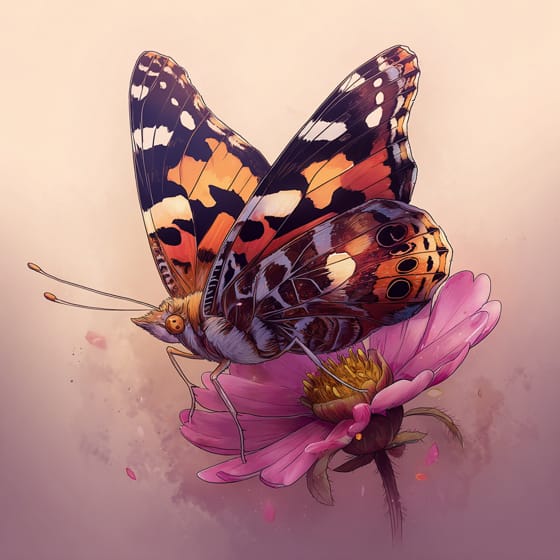
Vanessa cardui
visits flowers for nectar, aiding reproduction
Flowering plants are any plants that produce flowers as part of their reproductive cycle.
Summer blooming plants produce their flowers during the summer season, often providing vibrant color when many other plants have finished.
This human use trait indicates species from which natural dyes can be extracted and used to color textiles, food, or other materials.
Colorful describes organisms or objects displaying a wide range of bright and distinct colors.

Grassland habitats are terrestrial biomes dominated by grasses and herbaceous plants, supporting a variety of grazing animals.

Describes plants that are particularly attractive and beneficial to a wide range of pollinating organisms.
No aliases listed yet.
Danger
1/5 · Very low
Always look but don't touch flowers without asking an adult first.
The easiest way to identify Golden marguerite is to use the Snappit nature identifier app.
30-90 cm
30-60 cm
3-5 cm
Summer to early fall
No
None
Perennial
Zoom in to split clusters and explore where this object has been snapped.
Recent snaps will appear here as new observations are added.
Take the discovery with you
Snap it with Snappit to identify it, learn what makes it special, and add the discovery to your collection.








.jpg&width=800)



_001.jpg&width=800)




