





sea fig
Carpobrotus edulis
The sea fig is a fun plant that grows along the coast. It has thick, juicy leaves and pretty yellow or pink flowers that bloom in the summer. This plant loves sunny places and can help keep the sand in place!
Habitat: Coastal areas
The sea fig is a sprawling succulent with thick, fleshy, three-angled leaves that form dense mats. Its vibrant, daisy-like flowers are typically bright yellow or magenta, standing out against the glossy green foliage.
Category
PlantsRarity
Common
Danger
1/5 · Very low
Snaps
1
Its juicy fruit was once used by sailors to prevent scurvy on long voyages!
Originally from South Africa, this tough plant now grows on coasts worldwide!
Sea fig can help stop erosion by anchoring sandy soils with its strong roots!
Some call it 'ice plant' because its glistening leaves look like they're covered in ice!
Sea fig can thrive in salty coastal soils because it has special cells to store and excrete excess salt.
Sea fig has thick, succulent leaves that store precious water, helping it survive long periods of drought.
Sea fig can quickly cover large areas, thanks to its fast-growing, rooting stems that spread aggressively.
Sea fig produces tasty, edible fruits that attract animals, which then help spread its seeds to new locations.
Apis mellifera
Visits its bright flowers to collect nectar and pollen.
Homo sapiens
Enjoy the sweet, tangy fruits of the sea fig.

Helix aspersa
Grazes on its fleshy leaves and stems, especially new growth.
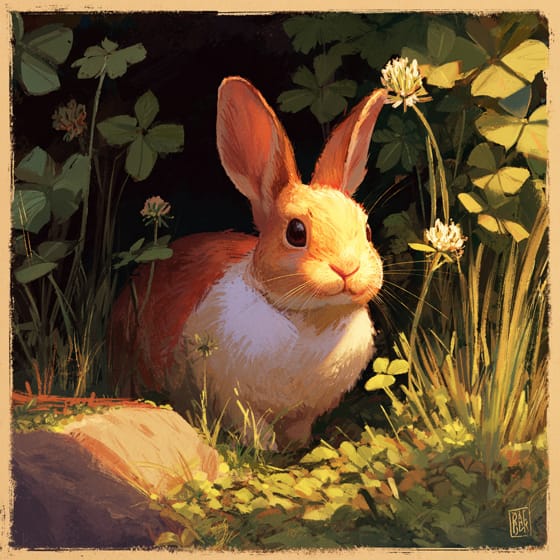
Oryctolagus cuniculus
Feeds on the succulent leaves and stems of the plant.
Flowering plants are any plants that produce flowers as part of their reproductive cycle.
A shrub is a woody plant smaller than a tree, typically with multiple stems branching from or near the ground.
Summer blooming plants produce their flowers during the summer season, often providing vibrant color when many other plants have finished.
Fruit-bearing plants produce fruits, which are the mature ovaries of flowering plants containing seeds.

Salt tolerant plants can withstand and grow in conditions with elevated salinity levels in the soil or water.

Drought-tolerant plants can survive and flourish in conditions with limited water availability.

Succulent plants have thickened, fleshy parts, usually leaves or stems, adapted to store water in arid climates.

Edible plants are those parts of a plant that are considered safe for human consumption.

Describes plants that are particularly attractive and beneficial to a wide range of pollinating organisms.

Coastal habitats are dynamic environments located along the interface between land and sea, influenced by tides, waves, and saltwater.
Danger
1/5 · Very low
Always look but don't touch plants without asking an adult first.
The easiest way to identify sea fig is to use the Snappit nature identifier app.
10-30 cm
100-300 cm
5-10 cm
Spring to Fall
Yes
None
Perennial
Zoom in to split clusters and explore where this object has been snapped.
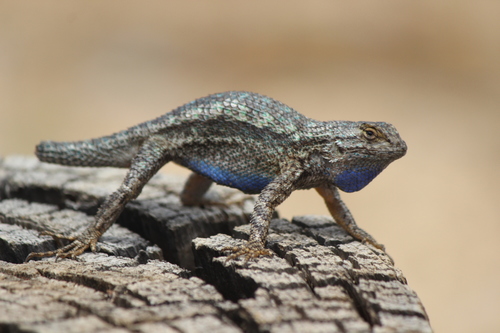
California, US
You might spot Western Fence Lizard, Duck, and Bee.
View guide →

California, US
You might spot Western Gull, Snowy Egret, and Great Blue Heron.
View guide →
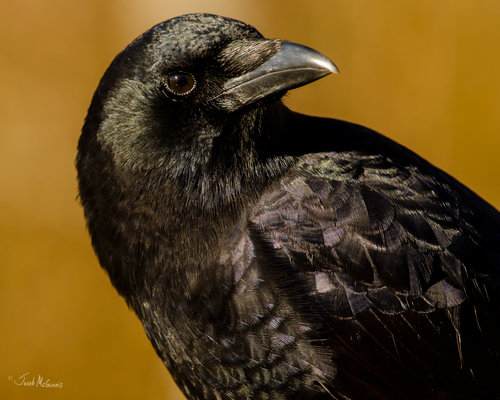
California, US
You might spot American Crow and Yellow-Rumped Warbler.
View guide →
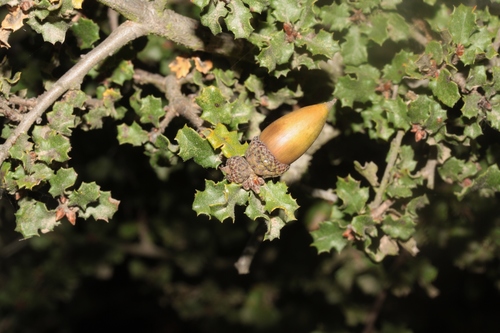
California, US
You might spot Nuttall's Scrub Oak and House Finch.
View guide →
Take the discovery with you
Snap it with Snappit to identify it, learn what makes it special, and add the discovery to your collection.








.jpg&width=800)



_001.jpg&width=800)



