





Stretchberry
Forestiera pubescens
Stretchberry is a fun shrub that grows in warm places. It has long, thin branches and produces small, tasty berries that are loved by birds and other animals!
Habitat: Coastal areas
The Stretchberry is a deciduous shrub with slender, flexible branches that can arch outwards. It has small, oval green leaves and produces tiny, inconspicuous yellowish-green flowers in early spring. Later, it bears small, shiny, dark purple to black berries.
Category
PlantsRarity
Common
Danger
1/5 · Very low
Snaps
3
Its incredibly dense wood was historically used to craft small, durable tools and sturdy posts!
Stretchberry berries change color from green to purple-black, a tiny, edible natural indicator!
Stretchberry is a distant cousin to the olive tree, both belonging to the same plant family!
The tiny, green spring flowers appear before any leaves, almost like a magic trick!
Stretchberry has remarkably flexible branches that bend without breaking, helping it survive strong winds and heavy snow loads.
Stretchberry can thrive in very wet soils, using special roots to get oxygen, which helps it grow where other plants can't.
Stretchberry blooms very early in spring before its leaves, letting it capture sunlight and pollinate before taller plants shade it out.
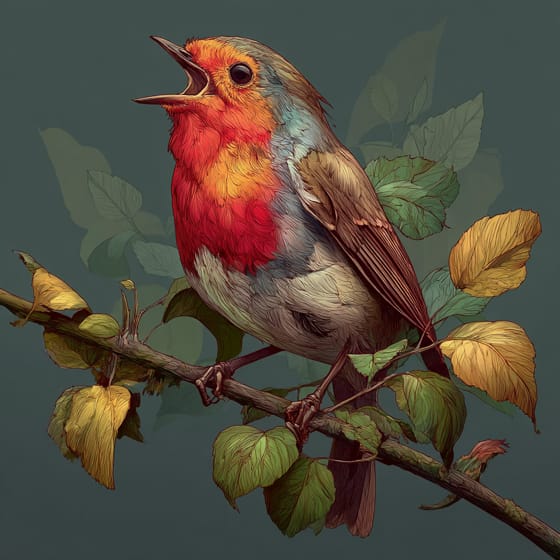
Turdus migratorius
Its berries are a crucial food source for this bird.
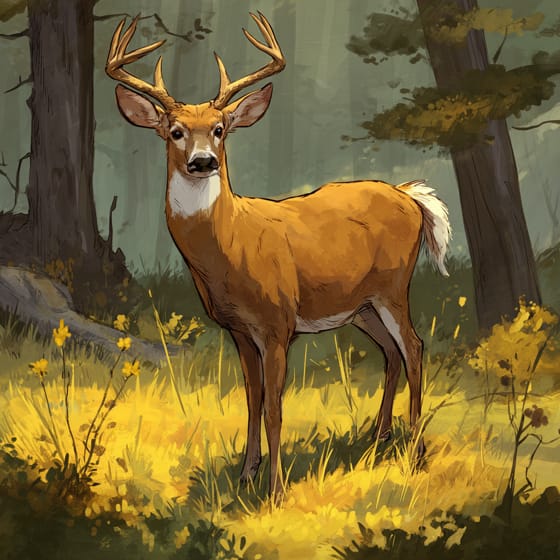
Odocoileus virginianus
Deer browse on its tender shoots and leaves.
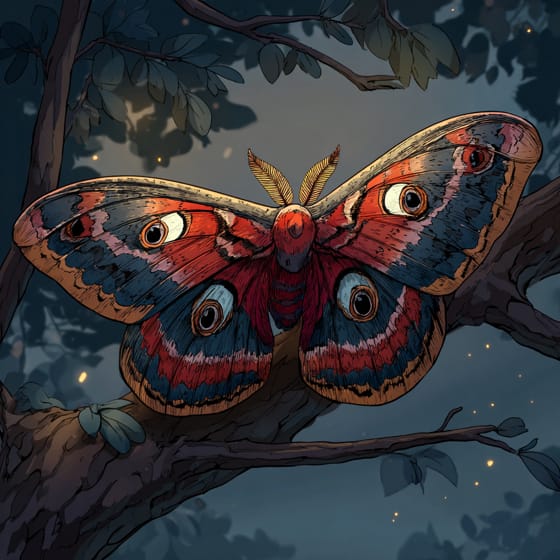
Hyalophora cecropia
Moth larvae feed on Stretchberry leaves.
Apis mellifera
Visits its early spring flowers for nectar.
Deciduous plants periodically shed all their leaves, typically during autumn or dry seasons.
A shrub is a woody plant smaller than a tree, typically with multiple stems branching from or near the ground.
Fruit-bearing plants produce fruits, which are the mature ovaries of flowering plants containing seeds.
Edible plants are those parts of a plant that are considered safe for human consumption.

Describes plants that are particularly attractive and beneficial to a wide range of pollinating organisms.

Rapid growing plants exhibit accelerated growth rates, quickly increasing in size and biomass within a short period.

Coastal habitats are dynamic environments located along the interface between land and sea, influenced by tides, waves, and saltwater.
No aliases listed yet.
Danger
1/5 · Very low
Always wash your hands after touching plants and ask an adult before eating any berries.
The easiest way to identify Stretchberry is to use the Snappit nature identifier app.
200-500 cm
200-400 cm
0.1-0.3 cm
Early spring
Yes
None
Perennial
Zoom in to split clusters and explore where this object has been snapped.

Oklahoma, US
You might spot Lace Hedgehog Cactus and Star Cloak Fern.
View guide →

New Mexico, US
You might spot Tree Cholla, Mule Deer, and Sacred Datura.
View guide →

Texas, US
You might spot Mexican Buckeye, Agarita, and Monarch.
View guide →
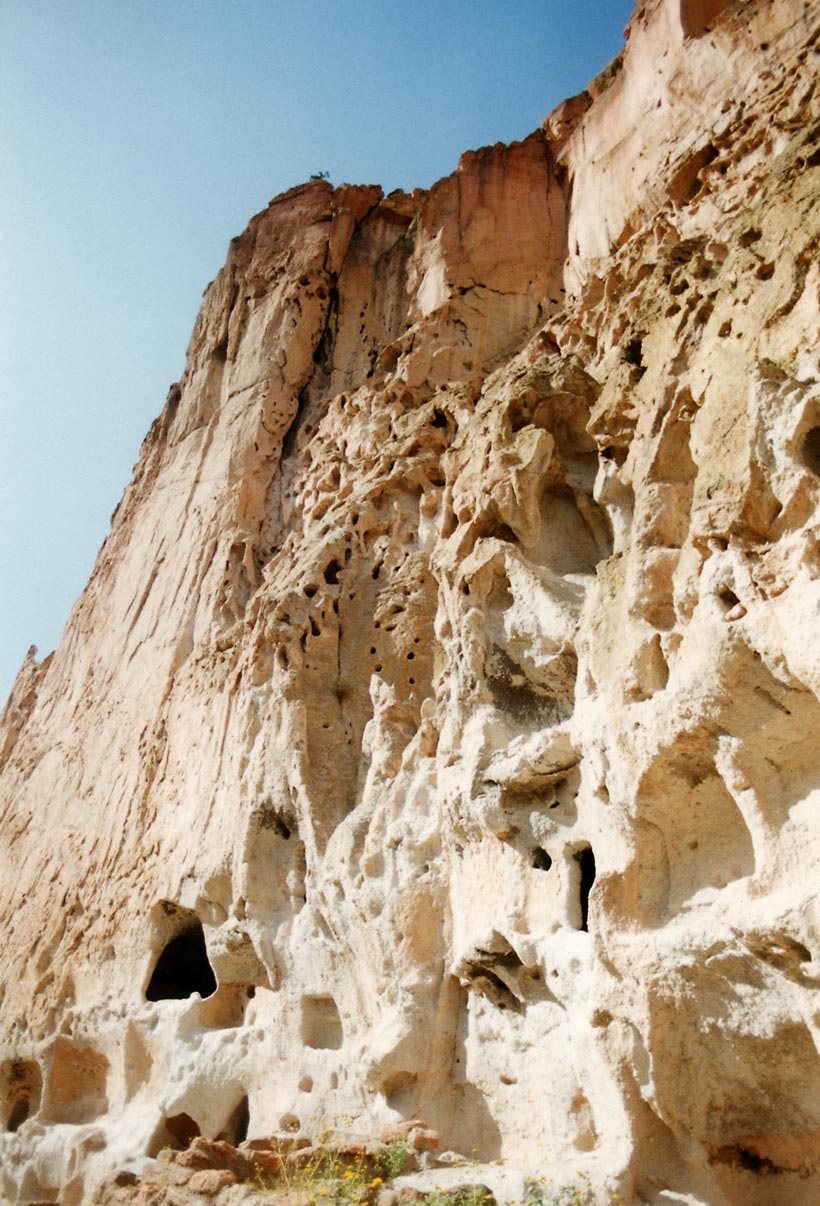
New Mexico, US
You might spot Tree Cholla, Mule Deer, and Sacred Datura.
View guide →

Texas, US
You might spot Evergreen Sumac, Lindheimer's Silktassel, and Ashe Juniper.
View guide →
Take the discovery with you
Snap it with Snappit to identify it, learn what makes it special, and add the discovery to your collection.








.jpg&width=800)



_001.jpg&width=800)



