





Golden Silk Spider
Trichonephila clavipes
The Golden Silk Spider is a beautiful spider known for its shiny, golden webs. These webs can be very large and are often found in gardens and forests, where they catch insects for food.
Habitat: Forests
The Golden Silk Spider has a large, elongated body, with a silvery-gold cephalothorax and a cylindrical abdomen in shades of yellow, orange, or brown. Its long legs are often banded in black and yellow, featuring distinctive fuzzy tufts near the joints. These vibrant colors and hairy leg tufts make it visually distinct.
Category
InsectsRarity
Common
Danger
1/5 · Very low
Snaps
24
Female Golden Silk Spiders are enormous compared to tiny males, often 10 times bigger!
Some scientists study their amazing silk to invent new super-strong materials for human use!
Their webs can stretch across entire forest paths, creating dazzling golden curtains in the sun!
These spiders sometimes eat their old webs to recycle the silk proteins for new construction!
Golden Silk Spider can spin silk stronger than steel that helps them build huge, durable webs to catch large prey.
Golden Silk Spider can construct massive webs, often several feet wide, that helps them trap a wide variety of flying insects.
Golden Silk Spider has golden-colored silk that reflects UV light, which helps them attract insects like a bright beacon.
These spiders mostly eat flying insects they catch in their amazing golden webs!
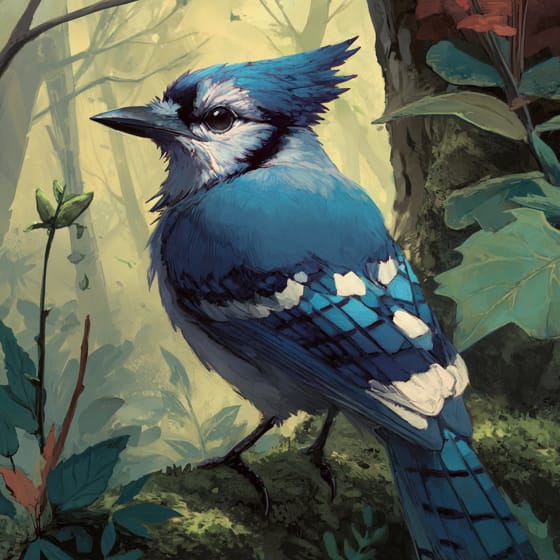
Cyanocitta cristata
often preys on adult spiders and their egg sacs.
Poecilopompilus interruptus
certain wasps hunt and paralyze them for their larvae.
Musca domestica
traps and eats various flying insects, including flies.
Culex pipiens
helps control mosquito populations by catching them in webs.
Marked with spots or patches of a different color.
Solitary animals live alone for most of their lives, only interacting with others for mating or parental care.
This trait characterizes organisms that construct elaborate silken webs for catching prey, shelter, or reproduction.
Colorful describes organisms or objects displaying a wide range of bright and distinct colors.

This trait identifies organisms whose diet primarily consists of insects and other small invertebrates.

Forest habitats are terrestrial environments dominated by dense tree cover, supporting a high diversity of plant and animal life.

This trait identifies organisms whose diet consists entirely or primarily of animal tissue.

Diurnal animals are primarily active during daylight hours, typically resting or sleeping at night.

Describes a species whose presence and role have a disproportionately large effect on its environment.
No aliases listed yet.
Danger
1/5 · Very low
If you see a spider, just watch it from a distance. It's best not to touch it.
The easiest way to identify Golden Silk Spider is to use the Snappit nature identifier app.
25-75 mm
200-365 days
These spiders mostly eat flying insects they catch in their amazing golden webs!
Forests
Ambush
8
Zoom in to split clusters and explore where this object has been snapped.

Florida, US
You might spot Anole, Eastern Box Turtle, and Golden Silk Spider.
View guide →

Alabama, US
You might spot Anole, Eastern Gray Squirrel, and Asian Lady Beetle.
View guide →
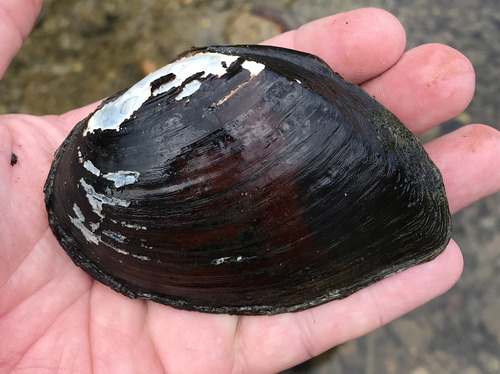
Alabama, US
You might spot Elephantear, Three-Ridge Mussel, and Rough Fatmucket.
View guide →

South Carolina, US
You might spot Anole, Asian Lady Beetle, and Gulf Fritillary.
View guide →

Alabama, US
You might spot Anole, Bee, and Bristle Thistle.
View guide →

Alabama, US
You might spot Anole, Eastern Gray Squirrel, and Asian Lady Beetle.
View guide →
Take the discovery with you
Snap it with Snappit to identify it, learn what makes it special, and add the discovery to your collection.








.jpg&width=800)

