





Golfodulcean poison frog
Phyllobates vittatus
The Golfodulcean poison frog is a tiny, colorful frog that lives in the forests of Central America. Its bright colors warn other animals that it is very poisonous, helping it stay safe in the wild.
Habitat: Forests
The Golfodulcean poison frog has a striking black body with two bold, bright yellow or orange stripes running down its back. Its small size, typically under 4 centimeters, makes these vibrant markings stand out against the dark skin.
Category
AmphibiansRarity
Rare
Danger
5/5 · Extreme
Snaps
Be the first to snap!
Its name comes from Golfo Dulce, a unique bay in Costa Rica!
Male frogs are devoted dads, guarding eggs and carrying tadpoles to water.
Scientists study its toxins hoping to discover new life-saving medicines!
This frog doesn't make its own poison; it gets it from its food!
Golfodulcean poison frog has extremely potent skin toxins that help them deter predators from trying to eat them.
Golfodulcean poison frog can turn poisons from its insect diet into its own powerful skin toxins for protection.
Golfodulcean poison frog has vibrant stripes that act as a visual warning, telling predators 'I am poisonous!'
Golfodulcean poison frog males carry their tadpoles on their backs to safety, protecting them on their journey to water.
This frog loves to snack on tiny insects and other small critters found in the rainforest!
Atta cephalotes
Eats these ants to acquire its powerful skin toxins.
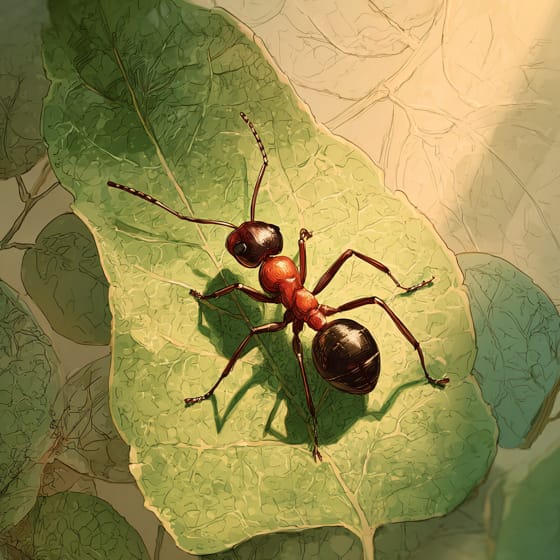
Acromyrmex octospinosus
Feeds on various ant species to obtain its potent toxins.
Leptodeira annulata
Some snakes can tolerate its toxins and may try to hunt it.
Solitary animals live alone for most of their lives, only interacting with others for mating or parental care.
Colorful describes organisms or objects displaying a wide range of bright and distinct colors.
This trait identifies organisms whose diet primarily consists of insects and other small invertebrates.
Forest habitats are terrestrial environments dominated by dense tree cover, supporting a high diversity of plant and animal life.

Diurnal animals are primarily active during daylight hours, typically resting or sleeping at night.

Pertaining to species that are significantly smaller than typical or average for their kind.

Poisonous organisms produce toxins that can cause harm when ingested, inhaled, or absorbed through contact.

Venomous organisms produce toxins that are injected into another animal, typically through a bite or sting.

Endangered status indicates a species is at a very high risk of extinction in the wild in the near future.
No aliases listed yet.
Danger
5/5 · Extreme
Never touch wild frogs, as some can be very poisonous.
The easiest way to identify Golfodulcean poison frog is to use the Snappit nature identifier app.
2.5-3.5 cm
0.002-0.005 kg
5-10 years
0.5 km/h
This frog loves to snack on tiny insects and other small critters found in the rainforest!
Forests
Foraging
Zoom in to split clusters and explore where this object has been snapped.
Recent snaps will appear here as new observations are added.
Take the discovery with you
Snap it with Snappit to identify it, learn what makes it special, and add the discovery to your collection.








.JPG&width=800)


.jpg&width=800)

