

Gonepteryx Eversi
gonepteryx eversi
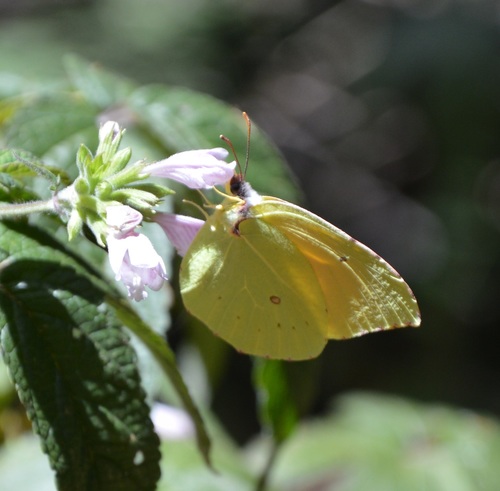
The Gonepteryx Eversi, also known as the Gomera Brimstone, is an exquisite and rare butterfly endemic to the misty laurel forests of La Gomera in the Canary Islands. Renowned for its remarkable crypsis, this insect features wings that flawlessly replicate the appearance, veins, and texture of a living green leaf. The species is highly adapted to the unique, moisture-rich microclimate of the Canary Laurisilva, where it plays an essential role as a native pollinator. Spotting one of these elusive butterflies flitting through the sun-dappled canopy of a volcanic ravine is a highly sought-after experience for entomologists and nature enthusiasts alike. Its persistence on a single island highlights the fragile ecological balance of the region's isolated ecosystems.
Habitat: Found in humid laurel forests (Laurisilva) and deep ravines on the island of La Gomera, often flitting around evergreen shrubs.
Adults exhibit a distinct, leaf-like wing profile with strongly hooked tips on the forewings. Males feature a bright lemon-yellow base color with a subtle, warm orange blush on the forewings, while females display a more subdued, pale greenish-white coloration that enhances their leafy camouflage. Both sexes possess a small, distinctive orange-brown spot near the center of each wing, mimicking a blemish or fungal decay on a leaf, with a wingspan averaging 5 to 6 centimeters.
Category
InsectsRarity
Common
Danger
1/5 · Very low
Snaps
Be the first to snap!
Adults have an exceptionally long lifespan for a butterfly, living up to ten months by entering states of dormancy.
It is entirely endemic to the island of La Gomera, meaning you cannot find it wild anywhere else on Earth.
Its unique wing shape features pointed tips that perfectly mimic the veins and apex of a real leaf.
When resting with folded wings, this butterfly perfectly mimics a broad green leaf, complete with faux leaf veins, to evade predators.
It can enter a dormant state during hot, dry summer months to conserve energy and survive periods of low nectar availability.
Females possess highly sensitive chemical receptors in their legs to precisely locate Rhamnus host plants for egg-laying.
Larvae feed strictly on the leaves of endemic buckthorn trees, while adults forage on the nectar of various forest flowers.
Age differences: Caterpillars feed exclusively on the foliage of host buckthorns, whereas adult butterflies consume liquid nectar.
Rhamnus glandulosa
Caterpillars feed exclusively on the leaves of this endemic shrub.
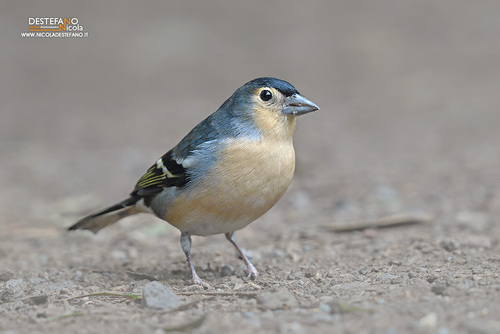
Sylvia atricapilla
Preys upon adult butterflies and caterpillars in the canopy.
Vanessa vulcania
Competes for nectar resources in the high-altitude flowering glades.
No trait badges are assigned for this object yet.
No aliases listed yet.
Collections for this object will appear here as more themes are added.
Danger
1/5 · Very low
No special safety notes yet.
Compare the wing outline, spots, bands, eyespots and wing edges. The underside can look completely different from the top. Check for tails, the antennae and where the markings sit instead of relying on color alone. Butterfly Identifier: upload a photo and compare the visible details.
2-3 cm
5-6 cm
0.0001-0.0003 kg
0-1 years
15 km/h
Larvae feed strictly on the leaves of endemic buckthorn trees, while adults forage on the nectar of various forest flowers.
Found in humid laurel forests (Laurisilva) and deep ravines on the island of La Gomera, often flitting around evergreen shrubs.
Zoom in to split clusters and explore where this object has been snapped.
Recent snaps will appear here as new observations are added.
Take the discovery with you
Snap it with Snappit to identify it, learn what makes it special, and add the discovery to your collection.