_(10-1-11)_harshaw_rd%2C_scc%2C_az_(9424900746).jpg&width=800)





Western Pygmy-Blue
Brephidium exilis
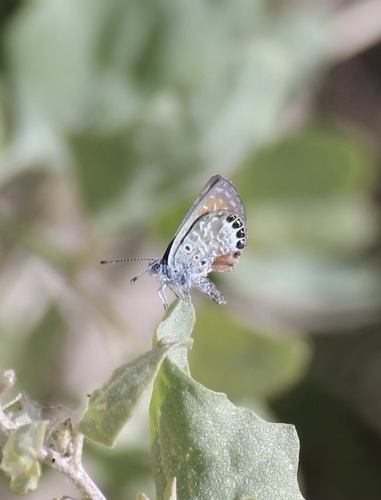
The Western Pygmy-Blue is a tiny butterfly with beautiful blue wings. They love to flutter around flowers and are often found in sunny places. These little butterflies are fun to watch as they dance in the air!
Habitat: Grasslands
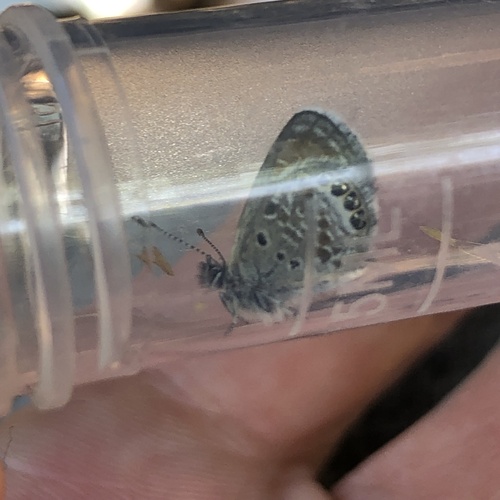
The Western Pygmy-Blue is one of North America's smallest butterflies, often less than an inch wide. Its upperwings are a dull coppery-brown with a small patch of iridescent blue near the body, while the undersides are a paler grayish-brown, sometimes with faint white spots. This tiny size and subdued coloring helps it blend in with dry vegetation.
Category
InsectsRarity
Common
Danger
1/5 · Very low
Snaps
17
Their caterpillars are picky eaters, munching only on flowers and seeds!
These tiny flyers can have up to eight generations in a single year!
Western Pygmy-Blues are the smallest butterflies in all of North America!
You can spot them fluttering near the ocean or in hot, dry desert areas!
Western Pygmy-Blue has a super tiny body that helps them easily hide from predators and fit into small crevices.
Western Pygmy-Blue can complete its life cycle quickly, allowing many generations to emerge each year, adapting fast.
Western Pygmy-Blue caterpillars can eat salt-tolerant plants, allowing them to thrive in coastal and desert environments.
Tiny butterflies sipping nectar; caterpillars munch on plant flowers and seeds.
Age differences: Larvae eat plant parts like seeds and flowers, while adults drink nectar.

Atriplex canescens
Larvae feed on its flowers and seeds.
Salicornia bigelovii
Larvae feed on its stems and seeds.
Misumena vatia
Spiders ambush them on flowers.
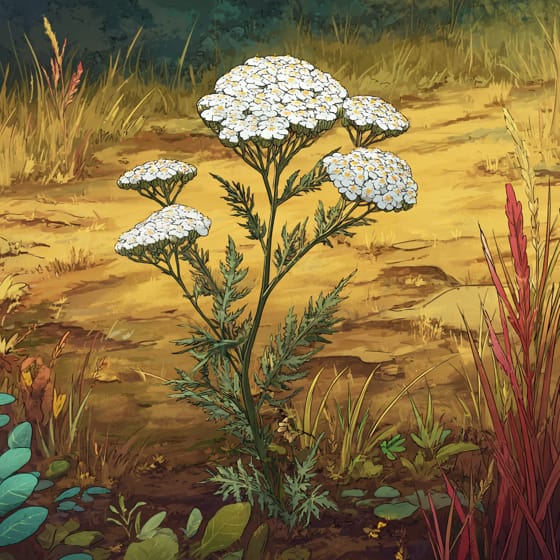
Achillea millefolium
Adults visit flowers for nectar.
Colorful describes organisms or objects displaying a wide range of bright and distinct colors.
Grassland habitats are terrestrial biomes dominated by grasses and herbaceous plants, supporting a variety of grazing animals.
This trait characterizes organisms whose diet consists entirely or primarily of plant material.
Describes plants that are particularly attractive and beneficial to a wide range of pollinating organisms.

Diurnal animals are primarily active during daylight hours, typically resting or sleeping at night.

Pertaining to species that are significantly smaller than typical or average for their kind.

This trait identifies organisms that exhibit exceptional swiftness in movement for hunting, escape, or travel.

Describes organisms that transfer pollen, enabling the fertilization and reproduction of plants.
No aliases listed yet.
Danger
1/5 · Very low
Be gentle and quiet when watching butterflies so you don't scare them away.
The easiest way to identify Western Pygmy-Blue is to use the Snappit nature identifier app.
10-18 mm
6-10 mm
7-14 days
Tiny butterflies sipping nectar; caterpillars munch on plant flowers and seeds.
Grasslands
Foraging
6
Zoom in to split clusters and explore where this object has been snapped.
Jun 6, 2026
ProfessorvillePhoto attribution
(c) Cricket Raspet, some rights reserved (CC BY)
License: CC BY 4.0 ↗
Image may be shown cropped inside the card frame.
Jun 4, 2026
Andree Clark Bird RefugePhoto attribution
(c) Christine Melvin, some rights reserved (CC BY)
License: CC BY 4.0 ↗
Image may be shown cropped inside the card frame.

California, US
You might spot Western Fence Lizard, Duck, and California Brittlebush.
View guide →

California, US
You might spot American Avocet, Northern Shoveler, and Black-Necked Stilt.
View guide →

California, US
You might spot Desert Holly, Western Joshua Tree, and Creosote Bush.
View guide →

California, US
You might spot Iodinebush, Yerba Mansa, and Golden Gilmania.
View guide →

Arizona, US
You might spot Golden Eagle, Black Bear, and Cougar.
View guide →

California, US
You might spot Giraffes, African Lion, and Gorilla.
View guide →
Take the discovery with you
Snap it with Snappit to identify it, learn what makes it special, and add the discovery to your collection.






.jpg&width=800)



