Common Blackbird
Garajonay National Park, nestled in the heart of La Gomera in the Canary Islands, is a breathtaking UNESCO World Heritage site and a living fossil of the Tertiary period.
Garajonay National Park, nestled in the heart of La Gomera in the Canary Islands, is a breathtaking UNESCO World Heritage site and a living fossil of the Tertiary period. This verdant sanctuary is globally renowned for preserving the finest example of laurisilva, a subtropical cloud forest that once blanketed much of Southern Europe and North Africa millions of years ago. Here, ancient trees, often draped in moss and lichens, thrive thanks to a unique microclimate created by constant trade winds and "horizontal rain"—the persistent mist and fog that nourish this magical ecosystem, making it an ecological marvel.
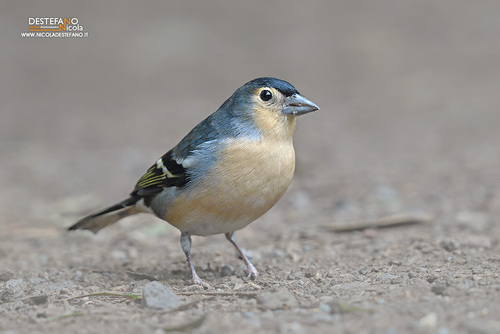
The park is a treasure trove of biodiversity, offering a network of well-marked hiking trails that lead through diverse habitats. Wander through the ethereal El Cedro forest, a particularly ancient and untouched section of the laurisilva, or ascend to Alto de Garajonay, the island's highest point, for panoramic views. Keep an eye out for endemic species such as the vibrant Canary Islands Chaffinch and the elusive Bolle's Pigeon, often seen flitting among the Canary Laurel and faya bayberry trees. The forest floor teems with unique flora like Canary tree heath, Large-leaved Saint John's Wort, and various ferns, while reptiles like Boettger's Lizard might dart across your path.
A visit to Garajonay is an immersive journey into a prehistoric world, where the pervasive mist creates an otherworldly, almost mystical ambiance that feels straight out of a fairytale. It’s an unparalleled destination for ecotourism, offering exceptional opportunities for hiking, birdwatching, and photography. The park's natural beauty is further enriched by local legends, including the tragic love story of Gara and Jonay, from whom the park draws its name, adding a layer of romantic mystery to its ancient allure. Eager to name that creature? Identify any animal you find during your visit using the Snappit app.
Garajonay National Park was formally established as a national park in 1981, recognizing the immense ecological significance of its ancient laurisilva forests. Just five years later, in 1986, it received international acclaim when it was designated a UNESCO World Heritage Site, solidifying its status as a natural wonder. These forests are a remarkable relic from the Tertiary geological period, making the park a crucial sanctuary for a type of vegetation that has largely disappeared from the rest of the world. Historically, the woodlands that now form the park played a vital role in the island's subsistence economy, providing wood for construction, tools, and fuel. The park is also interwoven with the island's broader history, including its role as a resupply point for Christopher Columbus before his voyages to the Americas.
Engage in hiking on the numerous trails, enjoy birdwatching, capture stunning photographs of the unique landscape and flora, explore the visitor center's educational displays, and learn about the local legends and the traditional whistled language, Silbo Gomero.
Free guided tours are often available on Fridays throughout the year, with additional days in summer. The Jornadas Colombinas festival takes place in San Sebastián de La Gomera in September, commemorating Christopher Columbus's journey.
The Juego de Bolas Visitor Centre is fully accessible. Several trails are adapted for people with reduced mobility and wheelchairs, including paths at Laguna Grande, Los Barranquillos (a 0.8 km circular trail), Cañada de Jorge, and Jardín de las Creces. The trail to Alto de Garajonay from the Contadero parking area is also considered accessible.
Located just outside the park, this is an essential first stop, offering exhibitions on the park's ecology, an ethnographic museum, a botanical garden, and free guided tour reservations.
An ancient and particularly lush section of the laurel forest, often described as magical, with a stream and a small chapel.
The island's highest peak (1,487 meters), offering spectacular panoramic views of La Gomera and, on clear days, neighboring islands like Tenerife, La Palma, and El Hierro.
A popular recreation area with a large clearing, picnic spots, a restaurant, and a short, accessible nature trail through the forest.
Each card links to a full Explore page with photos, traits, and fun facts.
Start with the big picture, then zoom in to explore individual wildlife observations around this place.
Dress in layers and bring waterproofs
The weather in the park can change quickly, with mist and fog common, especially at higher altitudes. Layered clothing and a waterproof jacket are essential.
Wear appropriate footwear
Sturdy, comfortable hiking shoes are a must for navigating the trails, which can be damp and uneven.
Visit the Juego de Bolas Visitor Centre first: Located in La Palmita (Agulo), it provides invaluable information, maps, and insights into the park's ecosystems and history. It's also fully accessible.
Carry water and snacks
While there are some recreational areas with services (like Laguna Grande), there are no restaurants directly within the hiking trails. Be prepared with your own provisions.
Stick to marked trails
To protect the delicate ecosystem and for your own safety, always remain on the designated paths.
Consider a guided tour
Free guided routes are available, and local guides can offer deeper insights into the park's flora, fauna, legends, and conservation efforts.
Feb 19, 2026
Feb 17, 2026
Feb 17, 2026
Feb 17, 2026
Feb 16, 2026

Maryland, US
You might spot White-Tailed Deer and Eastern Gray Squirrel.
View guide →
.jpg)
District of Columbia, US
You might spot Eastern Gray Squirrel, Duck, and House Sparrow.
View guide →

Illinois, US
You might spot American Robin, Canada Goose, and House Sparrow.
View guide →

Virginia, US
You might spot Spotted Lanternfly and Northern Cardinal.
View guide →
Take the discovery with you
Identify the wildlife you spot, learn as you go, and keep a collection of the adventure.