





Gopher Tortoise
Gopherus polyphemus
The Gopher Tortoise is a slow-moving reptile that digs deep burrows in the ground. These burrows provide homes for many other animals, making the tortoise a great helper in nature!
Habitat: Grasslands
The Gopher Tortoise has a sturdy, dome-shaped shell that is typically grayish-brown to dark brown. Its skin is dull grayish-yellow to brown, with thick, elephantine legs and flattened, shovel-like forelimbs. It is visually distinct for its large front claws, perfect for digging.
Category
ReptilesRarity
Common
Danger
1/5 · Very low
Snaps
21
Gopher Tortoises can eat tough prickly pear cactus, thorns and all!
Hundreds of different animal species share tortoise burrows!
Their front legs are shaped like powerful shovels, perfect for digging!
They are the only native tortoise found in the southeastern USA!
Gopher Tortoise has burrows that help them escape extreme heat and cold, keeping them safe from harsh weather conditions.
Gopher Tortoise can build extensive underground tunnels that provide shelter and homes for hundreds of other animal species.
These plant-eaters munch on leaves, flowers, fruits, and stems to get all their energy!
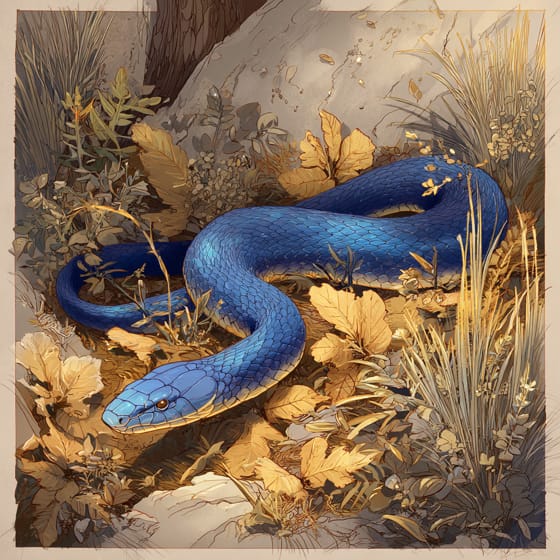
Drymarchon couperi
finds refuge in burrows
Lithobates capito
uses burrows for shelter
Podomys floridanus
nests inside their burrows
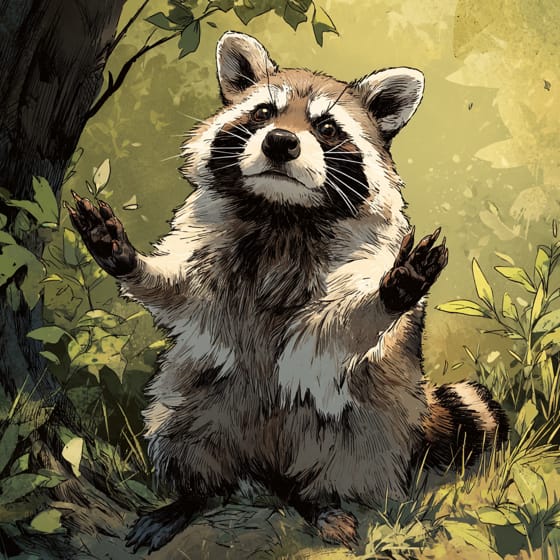
Procyon lotor
eats tortoise eggs and hatchlings
Social animals live in organized groups, cooperating for survival benefits such as foraging, defense, and raising offspring.
Burrowing animals dig tunnels and chambers in the ground, using these subterranean structures for shelter, hunting, or breeding.
Grassland habitats are terrestrial biomes dominated by grasses and herbaceous plants, supporting a variety of grazing animals.
This trait characterizes organisms whose diet consists entirely or primarily of plant material.

This trait characterizes organisms with an exceptionally long lifespan compared to others of their kind.

Armored describes animals protected by a hard, external covering or shell for defense.

Diurnal animals are primarily active during daylight hours, typically resting or sleeping at night.

Describes a species whose presence and role have a disproportionately large effect on its environment.

Endangered status indicates a species is at a very high risk of extinction in the wild in the near future.
No aliases listed yet.
Danger
1/5 · Very low
Do not touch or disturb wild tortoises; they need their space to feel safe.
The easiest way to identify Gopher Tortoise is to use the Snappit nature identifier app.
20-30 cm
3-7 kg
40-60 years
0.5 km/h
These plant-eaters munch on leaves, flowers, fruits, and stems to get all their energy!
Grasslands
Foraging
Zoom in to split clusters and explore where this object has been snapped.
Jun 15, 2026
Jun 7, 2026

Alabama, US
You might spot Painted Bunting, House Finch, and Red-Shouldered Hawk.
View guide →

Florida, US
You might spot Peters's Rock Agama, Brown Anole, and American Alligator.
View guide →

Florida, US
You might spot Brown Anole, Monarch, and Eastern Lubber Grasshopper.
View guide →

Florida, US
You might spot Brown Anole, Great Egret, and Snowy Egret.
View guide →

Alabama, US
You might spot Northern Mockingbird, Snapping Turtle, and Rabidosa.
View guide →
US
You might spot Loggerhead Sea Turtle and Bald Eagle.
View guide →
Take the discovery with you
Snap it with Snappit to identify it, learn what makes it special, and add the discovery to your collection.














