





Northwestern Garter Snake
Thamnophis ordinoides
The Northwestern Garter Snake is a small, colorful snake that loves to slither around in the grass. It has stripes that can be green, blue, or yellow, making it look very pretty in nature!
Habitat: Grasslands
The Northwestern Garter Snake is a small, slender reptile, typically dark brown or black with a faint or absent dorsal stripe. Its sides often feature distinctive red or orange blotches, making it visually unique among garter snakes. The belly is usually a pale yellow or grey.
Category
ReptilesRarity
Common
Danger
1/5 · Very low
Snaps
13
Some of these snakes look like fire with bright reddish spots on their sides!
These snakes love to hide under rocks or logs to stay safe and warm.
They can have up to 20 live baby snakes, called "snakelets," at once!
They often hunt slugs and worms, making them garden helpers!
Northwestern Garter Snake has highly variable skin patterns that help them blend seamlessly into various natural backgrounds, avoiding predators.
Northwestern Garter Snake can give birth to live young, not eggs, which helps their babies survive better in cooler environments.
Northwestern Garter Snake can release a strong, unpleasant-smelling musk when threatened, deterring most potential predators.
A tiny hunter, mainly eating small amphibians, worms, and slugs.
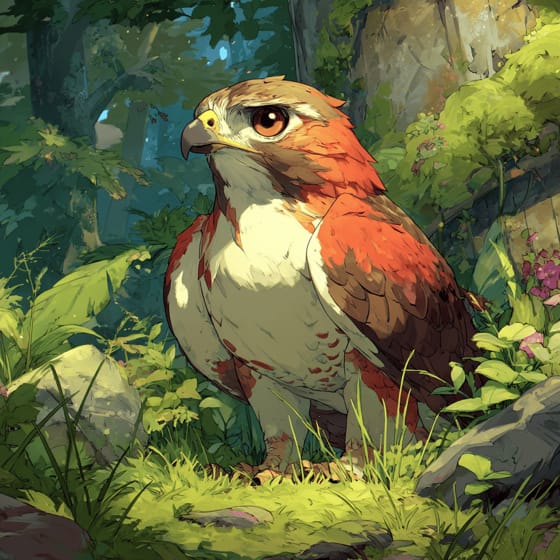
Buteo jamaicensis
Large birds of prey frequently hunt garter snakes from above.
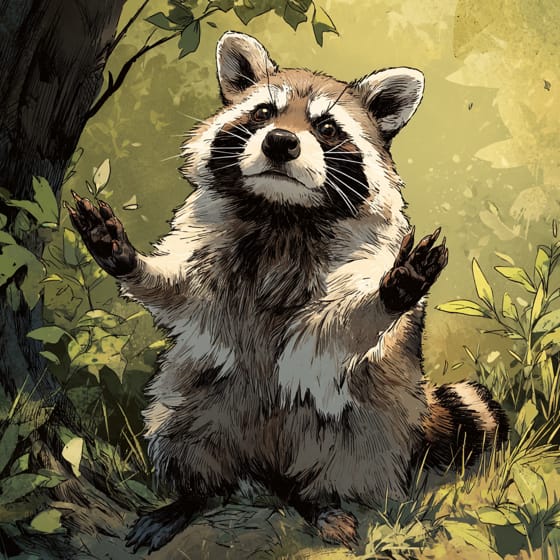
Procyon lotor
Opportunistic omnivores that prey on snakes encountered at night.

Ambystoma gracile
Young salamanders and their larvae are a common food source.
Limax maximus
Slugs are a frequently hunted invertebrate prey item for this snake.
Marked with parallel bands or lines of color.
Colorful describes organisms or objects displaying a wide range of bright and distinct colors.
Grassland habitats are terrestrial biomes dominated by grasses and herbaceous plants, supporting a variety of grazing animals.
This trait identifies organisms whose diet primarily consists of insects and other small invertebrates.

This trait identifies organisms whose diet consists entirely or primarily of animal tissue.

Diurnal animals are primarily active during daylight hours, typically resting or sleeping at night.

This trait identifies organisms that exhibit exceptional swiftness in movement for hunting, escape, or travel.
No aliases listed yet.
Danger
1/5 · Very low
If you see a snake, it's best to watch from a distance and not touch it.
The easiest way to identify Northwestern Garter Snake is to use the Snappit nature identifier app.
30-70 cm
0.05-0.15 kg
5-8 years
8 km/h
A tiny hunter, mainly eating small amphibians, worms, and slugs.
3 km/h
Grasslands
Zoom in to split clusters and explore where this object has been snapped.

Washington, US
You might spot Pacific Banana Slug and Oregon Forestsnail.
View guide →

Oregon, US
You might spot Oregon Oak, Pacific Poison Oak, and American Bullfrog.
View guide →

Washington, US
You might spot Rock Pigeon, Great Blue Heron, and Duck.
View guide →

British Columbia, CA
You might spot Vanilla Leaf, Western Maidenhair Fern, and Salal.
View guide →

Oregon, US
You might spot Duck, Wood Duck, and Douglas Fir.
View guide →

Washington, US
You might spot Wood Duck, Rough-Skinned Newt, and Pacific Trillium.
View guide →
Take the discovery with you
Snap it with Snappit to identify it, learn what makes it special, and add the discovery to your collection.













