





Gray Comma
Polygonia progne
The Gray Comma is a beautiful butterfly with unique shapes on its wings. It loves to flutter around in sunny spots and can often be seen resting on tree bark.
Habitat: Forests
The Gray Comma has jagged, angular wings with a mottled gray-brown underside that perfectly mimics dead leaves or tree bark. Its upper side is a rich tawny orange with dark spots. A small, distinctive white comma-shaped mark is found on the underside of each hindwing.
Category
InsectsRarity
Common
Danger
1/5 · Very low
Snaps
3
Its spiky caterpillars are often called 'spiny elm caterpillars' due to their favorite food!
Some butterflies only live for days, but the Gray Comma can survive for many months!
Unlike many butterflies, adults prefer sipping tree sap and rotting fruit over flower nectar!
When startled, a Gray Comma might suddenly open its wings to reveal bright orange flashes!
Gray Comma can hibernate through freezing winters as an adult butterfly, helping them survive harsh conditions.
Gray Comma has a mottled brown underside that helps them disappear against tree bark or dead leaves when resting.
Gray Comma has irregularly shaped wing edges that help break up its outline, making it look less like an insect.
Gray Comma can unfurl its long proboscis to sip nutritious tree sap, providing energy for flight and survival.
Adults enjoy tree sap and rotting fruit, while caterpillars munch on leaves.
Age differences: Caterpillars feed on leaves of various trees and plants, but adults primarily seek out tree sap, rotting fruit, and occasionally nectar.
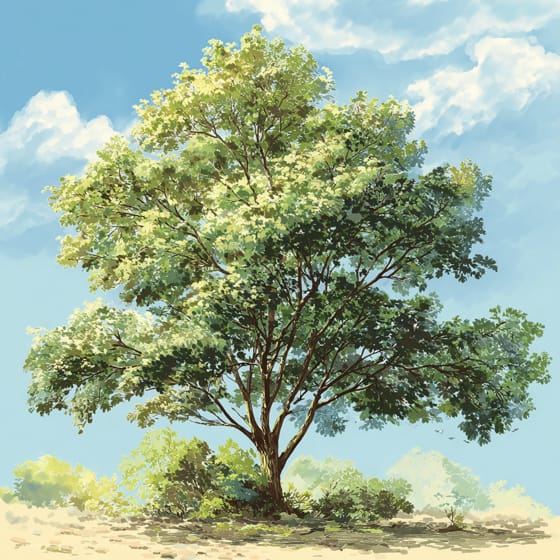
Ulmus americana
Caterpillars feed on its leaves.
Urtica dioica
Larvae feed on the plant's foliage.

Acer rubrum
Adults sip nutritious sap from its wounds.
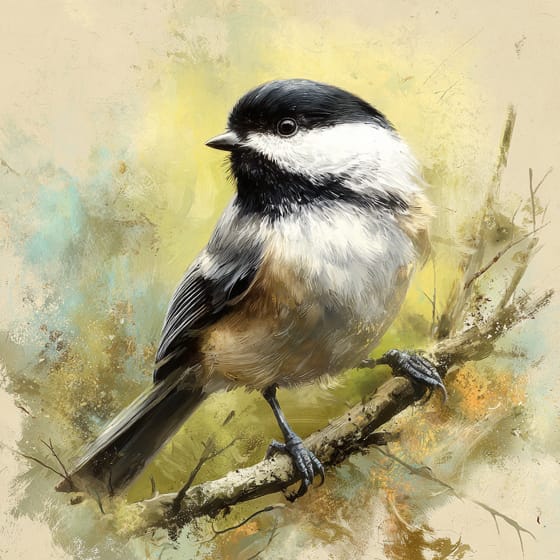
Poecile atricapillus
Birds prey on its caterpillar stage.
Solidago canadensis
Adults occasionally visit its flowers.
Solitary animals live alone for most of their lives, only interacting with others for mating or parental care.
Camouflaged describes organisms that possess coloring or patterns that allow them to blend into their environment.
Colorful describes organisms or objects displaying a wide range of bright and distinct colors.
This trait characterizes organisms whose diet consists entirely or primarily of plant material.

Forest habitats are terrestrial environments dominated by dense tree cover, supporting a high diversity of plant and animal life.

Hibernating animals enter a state of metabolic depression during cold periods or when food is scarce, characterized by reduced body temperature and activity.

Diurnal animals are primarily active during daylight hours, typically resting or sleeping at night.

Migratory animals undertake seasonal movements from one region to another, typically in response to changes in climate or food availability.

Describes organisms that transfer pollen, enabling the fertilization and reproduction of plants.

Endangered status indicates a species is at a very high risk of extinction in the wild in the near future.
No aliases listed yet.
Danger
1/5 · Very low
Don't touch butterflies; just enjoy watching them fly!
The easiest way to identify Gray Comma is to use the Snappit nature identifier app.
40-55 mm
18-25 mm
240-270 days
Adults enjoy tree sap and rotting fruit, while caterpillars munch on leaves.
Forests
Foraging
6
Zoom in to split clusters and explore where this object has been snapped.

Iowa, US
You might spot Common Eastern Bumble Bee and North American Luna Moth.
View guide →

Wisconsin, US
You might spot Western Bog Laurel and Purple Pitcher Plant.
View guide →

Connecticut, US
You might spot Garlic Mustard, Winged Euonymus, and Wineberry.
View guide →
Take the discovery with you
Snap it with Snappit to identify it, learn what makes it special, and add the discovery to your collection.







.jpg&width=800)


