





Long-haired June Beetle
Polyphylla crinita
The Long-haired June Beetle is a shiny, fuzzy bug that loves to munch on flowers. It has long, soft hairs on its body that help it blend in with plants.
Habitat: Urban areas, Gardens
The Long-haired June Beetle is covered in a dense coat of fine, pale yellow-brown hairs, giving it a fuzzy appearance. Its body is robust and oval, typically dark brown to reddish-brown, with prominent fan-like antennae.
Category
InsectsRarity
Common
Danger
1/5 · Very low
Snaps
Be the first to snap!
Males have huge, fancy antennae that look like tiny fans!
Some June beetle species can play dead to fool hungry predators!
Their grubs live underground for years before becoming adult beetles!
They make a loud buzzing sound when they fly, like a tiny drone!
Long-haired June Beetle can feel subtle ground vibrations with its hairy legs, helping them find food or avoid predators.
Long-haired June Beetle has special fan-like antennae that help them smell distant mates or food plants even in the dark.
Long-haired June Beetle has large eyes that help them see in dim light, allowing them to fly and navigate safely after sunset.
Adult beetles nibble on leaves and flowers, while their grubs eat plant roots underground.
Age differences: Larvae eat plant roots underground, while adults feed on leaves and needles of trees.
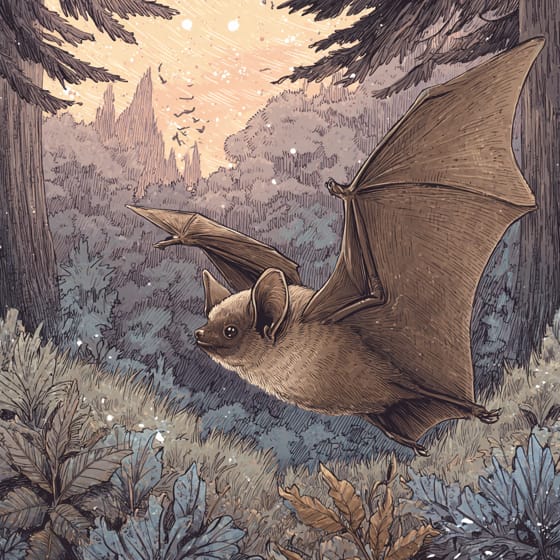
Myotis lucifugus
Bats hunt adult beetles at night
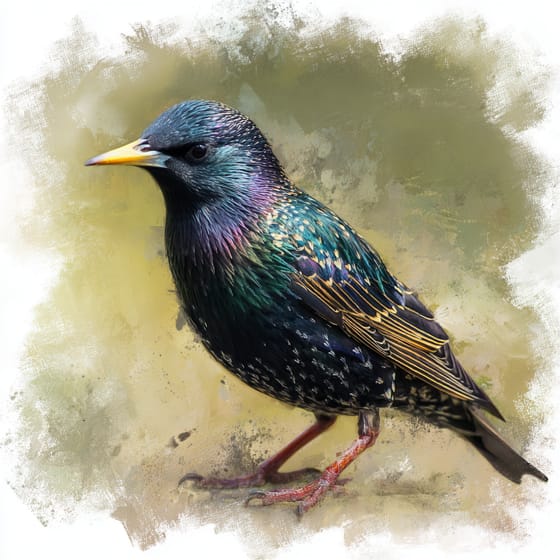
Sturnus vulgaris
Birds prey on adult beetles and grubs
Pinus ponderosa
Adult beetles chew on pine needles

Quercus agrifolia
Adults feed on oak leaves
Furry describes animals possessing a dense covering of soft hair or fur.
This trait characterizes organisms whose diet consists entirely or primarily of plant material.
Describes plants that are particularly attractive and beneficial to a wide range of pollinating organisms.
Diurnal animals are primarily active during daylight hours, typically resting or sleeping at night.

This habitat trait indicates species that can coexist with humans in urban and suburban environments, utilizing man-made structures and green spaces.

Nocturnal animals are primarily active during the nighttime hours, typically resting or sleeping during the day.

Describes organisms that transfer pollen, enabling the fertilization and reproduction of plants.
No aliases listed yet.
Danger
1/5 · Very low
These beetles are harmless, but it's best to watch them from a distance.
The easiest way to identify Long-haired June Beetle is to use the Snappit nature identifier app.
50-70 mm
25-35 mm
15-45 days
8-12 km/h
Adult beetles nibble on leaves and flowers, while their grubs eat plant roots underground.
Urban areas, Gardens
Foraging
Zoom in to split clusters and explore where this object has been snapped.
Recent snaps will appear here as new observations are added.
Take the discovery with you
Snap it with Snappit to identify it, learn what makes it special, and add the discovery to your collection.







.jpg&width=800)




