





Gray Fox
Urocyon cinereoargenteus
The Gray Fox is a clever little animal with a beautiful gray coat. They are great climbers and can often be seen resting in trees. These foxes are shy and prefer to stay hidden during the day.
Habitat: Forests
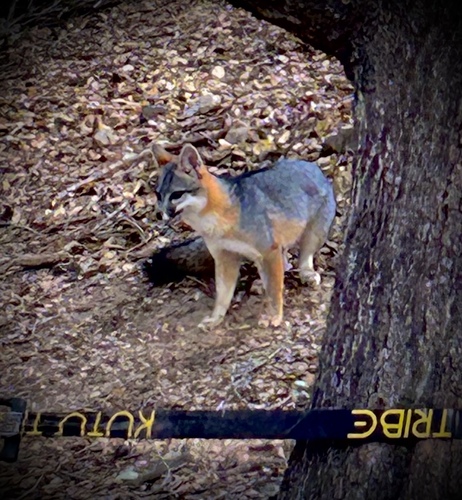
The Gray Fox has grizzled gray fur on its back, head, and sides, with reddish-brown patches on its neck, legs, and flanks. Its belly is white, and a distinct black stripe runs down its bushy tail, ending in a black tip. Unlike other foxes, it has short, stocky legs.
Category
MammalsRarity
Common
Danger
2/5 · Low
Snaps
22
Gray Fox pups, called kits, stay with their parents for many months learning to hunt.
Gray Foxes are one of the most ancient canids, evolving millions of years ago!
Their diet is incredibly varied, eating everything from mice to ripe berries and insects!
They are the only canid that can semi-retract its claws, like a cat!
Gray Fox can climb trees with ease, using strong claws and flexible wrists to escape predators or find food.
Gray Fox has semi-retractable claws, rare for a canid, that help them grip tree trunks like a cat!
Gray Fox can thrive on a very diverse diet, switching from meat to fruits and nuts with the seasons.
A versatile omnivore, eating small animals, birds, insects, and lots of fruits and plants.
.JPG&width=800)
Sylvilagus floridanus
A common prey item for Gray Foxes.
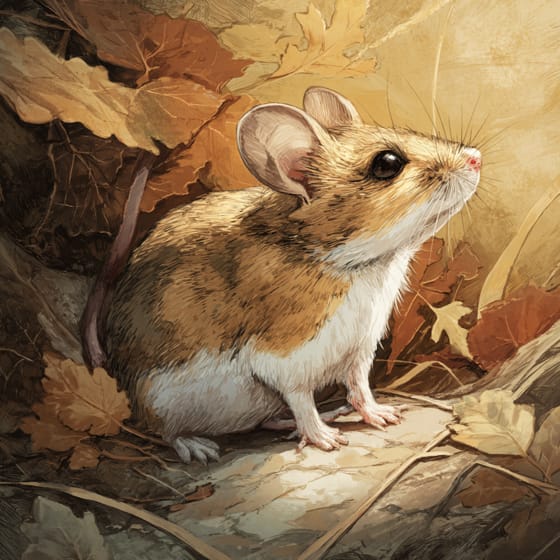
Peromyscus maniculatus
Small mammals form a key part of their diet.
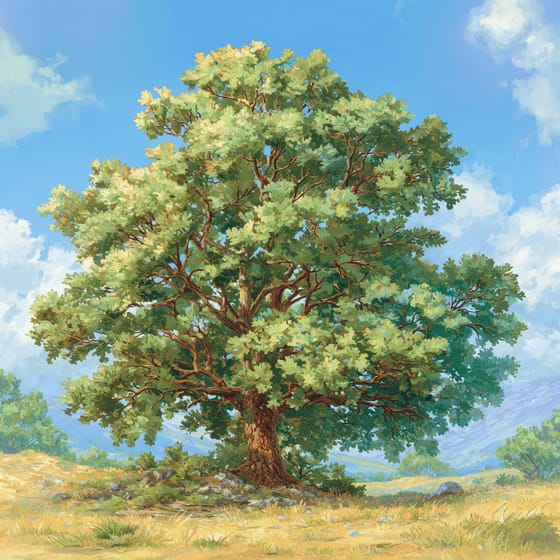
Quercus alba
Eats acorns and uses trees for shelter.
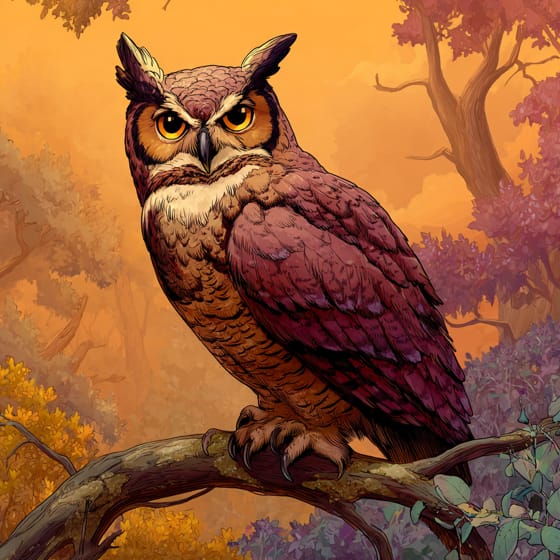
Bubo virginianus
Predates on young kits or smaller adults.
Furry describes animals possessing a dense covering of soft hair or fur.
Solitary animals live alone for most of their lives, only interacting with others for mating or parental care.
Arboreal animals live primarily in trees, utilizing them for shelter, food, and protection from predators.
Forest habitats are terrestrial environments dominated by dense tree cover, supporting a high diversity of plant and animal life.

This trait identifies organisms whose diet consists entirely or primarily of animal tissue.

Nocturnal animals are primarily active during the nighttime hours, typically resting or sleeping during the day.
Danger
2/5 · Low
If you see a fox, it's best to watch from a distance and not approach it.
The easiest way to identify Gray Fox is to use the Snappit nature identifier app.
76-112 cm
3.6-7 kg
6-10 years
48 km/h
A versatile omnivore, eating small animals, birds, insects, and lots of fruits and plants.
Forests
Foraging
Zoom in to split clusters and explore where this object has been snapped.
Nov 30, 2025
San Luis Obispo Botanical GardenPhoto attribution
no rights reserved
License: CC0 1.0 ↗
Image may be shown cropped inside the card frame.

Alabama, US
You might spot Elf Orpine, Canada Goose, and Leatherleaf Mahonia.
View guide →

California, US
You might spot Redwood Sorrel, Redwood, and Button's Banana Slug.
View guide →

California, US
You might spot Monarch, Bee, and Anise Swallowtail.
View guide →

Alabama, US
You might spot American Beautyberry, White-Tailed Deer, and Peppervine.
View guide →

Alabama, US
You might spot Elf Orpine, Canada Goose, and Great Blue Heron.
View guide →

California, US
You might spot Western Fence Lizard and Springtime Amanita.
View guide →
Take the discovery with you
Snap it with Snappit to identify it, learn what makes it special, and add the discovery to your collection.




.jpg&width=800)





.jpg&width=800)
