





Great burnet
Sanguisorba officinalis
Great burnet is a tall plant with beautiful, round, red flowers. It grows in meadows and wetlands and is loved by many insects, especially bees!
Habitat: Wetlands
The Great burnet has unique, deep reddish-purple, egg-shaped flower heads that resemble little bobbles on slender, upright stems. Its leaves are pinnate, meaning they look like a feather with many small leaflets arranged along a central rib, distinguishing it from many other meadow flowers.
Category
PlantsRarity
Common
Danger
1/5 · Very low
Snaps
Be the first to snap!
In Japan, it's a cherished autumn symbol called 'Waremokou'.
Its scientific name, 'Sanguisorba', means 'blood stopper' in Latin!
The plant's distinctive flowers make it a favorite for floral arrangements.
You can eat its young leaves in salads or steep them for a refreshing tea.
Great burnet can thrive in damp, boggy meadows that other plants find too wet, helping it find open space.
It has compounds in its roots and leaves that traditionally helped stop bleeding, aiding human survival.
Its rich red flowers attract many types of insects, ensuring its reproduction and spreading seeds.
Apis mellifera
visits flowers for nectar
Vanessa cardui
feeds on nectar from blooms
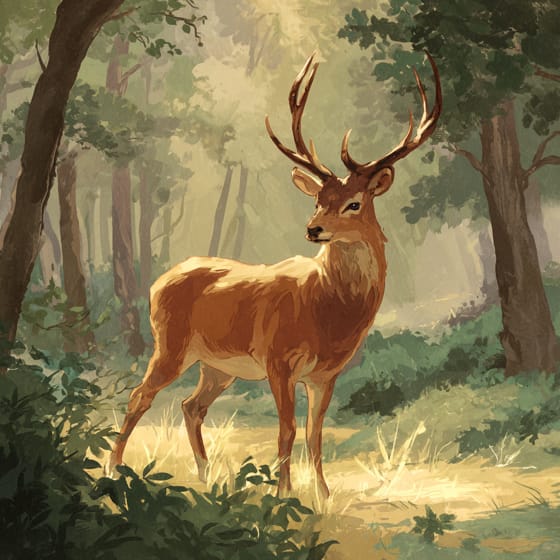
Cervus elaphus
grazes on leaves and shoots
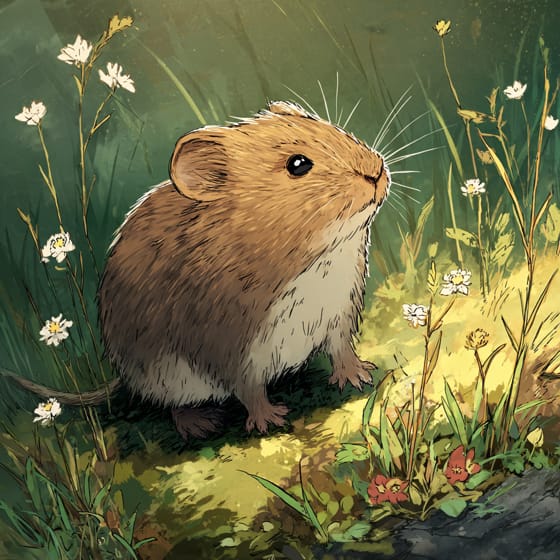
Microtus arvalis
might eat roots or stems
Flowering plants are any plants that produce flowers as part of their reproductive cycle.
Cluster flowers are inflorescences where individual flowers are arranged closely together on a common stem.
Summer blooming plants produce their flowers during the summer season, often providing vibrant color when many other plants have finished.
Medicinal plants possess chemical compounds that can be used for therapeutic purposes to treat illnesses or maintain health.

Edible plants are those parts of a plant that are considered safe for human consumption.

Describes plants that are particularly attractive and beneficial to a wide range of pollinating organisms.

This habitat trait identifies species found in wetlands, which are areas of land saturated with water, either permanently or seasonally, including marshes, swamps, and bogs.
No aliases listed yet.
Danger
1/5 · Very low
Always look but don't touch plants without asking an adult first.
The easiest way to identify Great burnet is to use the Snappit nature identifier app.
30-100 cm
30-60 cm
1-3 cm
Summer-early autumn
Yes
None
Perennial
Zoom in to split clusters and explore where this object has been snapped.
Recent snaps will appear here as new observations are added.
Take the discovery with you
Snap it with Snappit to identify it, learn what makes it special, and add the discovery to your collection.







.jpg&width=800)



_001.jpg&width=800)



