





great camas
Camassia leichtlinii
Great camas is a beautiful flower that blooms in spring. Its star-shaped blue flowers grow in clusters and attract many pollinators like bees and butterflies.
Habitat: Wetlands
The great camas has tall, slender stalks topped with spires of star-shaped, six-petaled flowers, typically deep blue to violet. Its long, grass-like leaves emerge from the base. Visually, it stands out with its striking blue fields in spring meadows.
Category
PlantsRarity
Common
Danger
1/5 · Very low
Snaps
Be the first to snap!
Before potatoes, its cooked bulbs were a vital food source for many Indigenous peoples!
Each flower stalk can unfurl up to 80 beautiful star-like blossoms at once!
Indigenous peoples often managed vast camas fields with controlled fire to keep them healthy!
The great camas is related to asparagus and onions, but you only eat its tasty bulb!
Great camas stores energy in its bulb, which helps it survive harsh winters and grow back strong each spring.
Great camas produces many tiny seeds, helping it spread to new areas and ensure its populations thrive.
Great camas has a deep root system that helps it find water deep in the soil, even during drier periods.
Apis mellifera
collects nectar and pollen
Bombus occidentalis
collects nectar and pollen

Marmota flaviventris
digs up and consumes bulbs
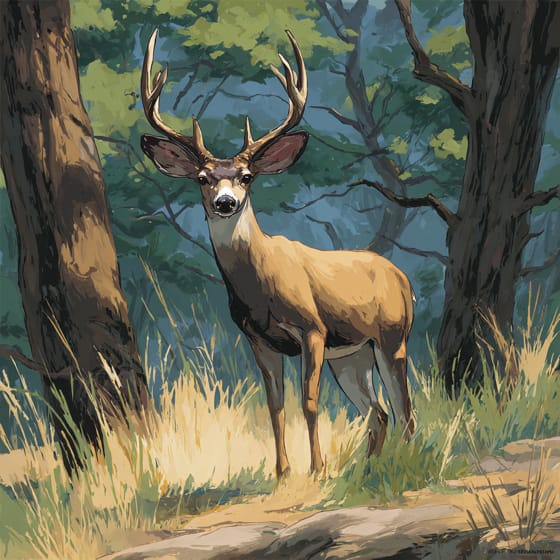
Odocoileus hemionus
browses on leaves and shoots
Flowering plants are any plants that produce flowers as part of their reproductive cycle.
Cluster flowers are inflorescences where individual flowers are arranged closely together on a common stem.
Spring blooming plants produce their flowers during the spring season, often signifying the end of winter and the start of new growth.
Fragrant flowers emit a pleasant aroma, often to attract pollinators or for defense.

Edible plants are those parts of a plant that are considered safe for human consumption.

Describes plants that are particularly attractive and beneficial to a wide range of pollinating organisms.

This habitat trait identifies species found in wetlands, which are areas of land saturated with water, either permanently or seasonally, including marshes, swamps, and bogs.
No aliases listed yet.
Danger
1/5 · Very low
Do not eat any wild plants unless you are sure they are safe and have permission from an adult.
The easiest way to identify great camas is to use the Snappit nature identifier app.
30-100 cm
30-45 cm
2-5 cm
Late spring to early summer
Yes
Mild
Perennial
Zoom in to split clusters and explore where this object has been snapped.
Recent snaps will appear here as new observations are added.
Take the discovery with you
Snap it with Snappit to identify it, learn what makes it special, and add the discovery to your collection.








.jpg&width=800)


_001.jpg&width=800)



