





Pacific Glasswort
Salicornia pacifica
Pacific Glasswort is a fun plant that grows in salty places like beaches and marshes. Its green, crunchy stems look like little green fingers reaching up from the ground!
Habitat: Coastal areas
The Pacific Glasswort is a succulent, jointed plant that often appears green, sometimes tinged with red or purple. Its fleshy, cylindrical stems look like strings of beads, forming dense mats along the shore.
Category
PlantsRarity
Common
Danger
1/5 · Very low
Snaps
3
It thrives where almost nothing else can, right at the salty ocean's edge!
Its flowers are so tiny, they look like bumps and are hard to spot!
Many tiny animals hide among its stems, safe from predators and big waves!
People call it 'sea beans' and eat it like a crunchy, salty vegetable snack!
Pacific Glasswort can remove excess salt from its tissues, allowing it to thrive in extremely salty ocean environments.
This plant has fleshy, succulent stems that store precious fresh water, helping it survive dry spells on the coast.
Pacific Glasswort can change its color from vibrant green to striking reds and purples with the changing seasons.
Its strong root system helps anchor loose sand and mud, preventing erosion on unstable coastal shores.
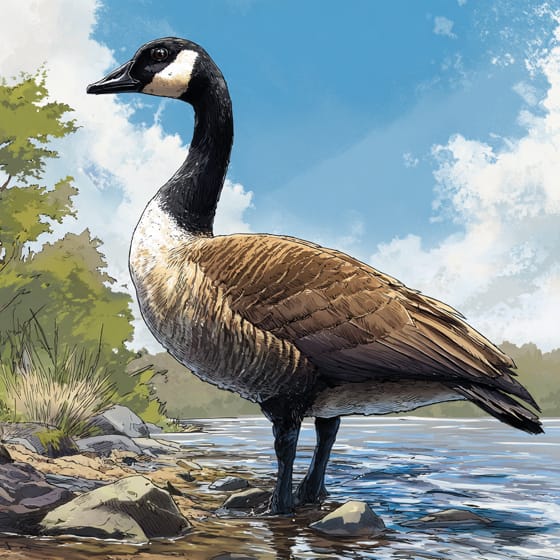
Branta canadensis
Geese graze on its succulent stems in coastal wetlands.
Anas platyrhynchos
Ducks consume the seeds and vegetation, especially in salt marshes.
Aphis salicorniae
Specialized aphids feed on the plant's sap and soft tissues.
Reithrodontomys raviventris
Mouse feeds on stems, seeds, and shelters within the plant.
Grass-like plants are herbaceous plants that visually resemble true grasses, typically having long, narrow leaves.
Salt tolerant plants can withstand and grow in conditions with elevated salinity levels in the soil or water.
Edible plants are those parts of a plant that are considered safe for human consumption.
Fall color refers to the seasonal change in foliage pigmentation, primarily in deciduous plants, displaying vibrant hues.

Rapid growing plants exhibit accelerated growth rates, quickly increasing in size and biomass within a short period.

Coastal habitats are dynamic environments located along the interface between land and sea, influenced by tides, waves, and saltwater.

Describes a species whose presence and role have a disproportionately large effect on its environment.

Marine habitats encompass all saltwater environments of the Earth's oceans, supporting an immense diversity of aquatic life.
No aliases listed yet.
Danger
1/5 · Very low
Always look but don't touch plants unless you know they are safe.
The easiest way to identify Pacific Glasswort is to use the Snappit nature identifier app.
10-60 cm
15-70 cm
Late_summer_to_fall
Yes
None
Perennial
Wind
Zoom in to split clusters and explore where this object has been snapped.
Take the discovery with you
Snap it with Snappit to identify it, learn what makes it special, and add the discovery to your collection.










.jpg&width=800)



_001.jpg&width=800)



