Snow Leopard
.jpg&width=800)
Niabi Zoo is a vibrant zoological park spanning 40 acres within a 287-acre forest preserve in Coal Valley, Illinois.
Niabi Zoo is a vibrant zoological park spanning 40 acres within a 287-acre forest preserve in Coal Valley, Illinois. It serves the Quad Cities area as a hub for wildlife discovery and conservation, housing over 600 animals representing nearly 200 species from various continents. The zoo's name, "Niabi," originates from the Native American Wazhazhe (Osage Nation) language, meaning "the fawn spared by the hunter," symbolizing a commitment to preserving species for the future. Beyond animal viewing, Niabi Zoo actively engages in education and conservation, participating in managed breeding programs and global partnerships to protect endangered animals and their habitats.
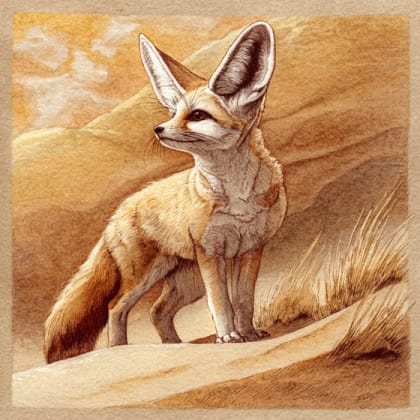
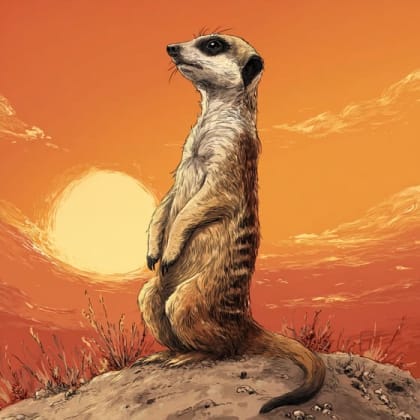
Visitors can embark on a journey across continents, from the "Passport to Africa" featuring towering giraffes and playful colobus monkeys, to the "White Rhino" exhibit highlighting the threats facing these magnificent creatures. "Biodiversity Hall" offers an intimate look at unique animals like the Linnaeus's two-toed sloth, fennec foxes, and slender-tailed meerkats, while the "Cat" exhibits showcase rare species such as the Amur leopard and snow leopard. Don't miss the critically endangered red wolves at "Wolf Ridge" or the fascinating reptiles in the "Reptile House." The zoo also offers interactive experiences like feeding giraffes, domestic animals, and koi, along with rides on the Niabi Zoo Express Train and the Endangered Species Carousel.
Niabi Zoo is a memorable destination, offering a perfect blend of entertainment, education, and inspiration for conservation. It’s a place where families can create lasting memories, children can learn about the animal kingdom firsthand, and everyone can connect with nature. With its diverse collection, engaging exhibits, and dedication to global conservation efforts, a visit to Niabi Zoo is an opportunity to contribute to a better future for wildlife and experience the wonder of the natural world. Enhance your adventure: download the Snappit app to identify the local species you encounter.
Niabi Zoo traces its origins back to 1959 when local masonry contractor and animal enthusiast, Gordon V. McLain, opened McLain's Wild Animal Farm to the public. This private zoo operated for four years until 1963, when Patti S. Wiman purchased the farm along with surrounding land and deeded it to the Rock Island County Forest Preserve District. The district has since operated the zoo as a non-profit community attraction. Over the decades, the zoo has seen significant development, including the opening of a petting zoo in 1974 and the popular Niabi Zoo Express Train (originally the Mel McKay Express) in 1975. It earned accreditation from the Association of Zoos and Aquariums (AZA) in 2006, though it later lost this in 2012, and then received accreditation from the Zoological Association of America (ZAA) in 2020. Niabi Zoo continues to evolve, with recent additions like the White Rhinoceros exhibit completed in 2021 and planned new exhibits for African Painted Dogs and Prairie Dogs in 2023-2024.
Beyond the animal exhibits, you can feed giraffes, domestic animals, and koi fish. Take a ride on the ADA-compliant Niabi Zoo Express Train or the Endangered Species Carousel. There's also a playground with a rubberized surface for children. Check the zoo's schedule for special events, educational programs, and animal encounters.
The zoo operates seasonally from April to October. Special events such as "Boo at the Zoo" occur around Halloween. Animal activity may vary with weather, for instance, Aldabra tortoise encounters are typically from May to September during warmer weather.
Niabi Zoo is committed to accessibility, offering wheelchair and electric scooter rentals at the front entrance. Most zoo walkways and paths are paved, broad, and level, with ADA-compliant options for the Niabi Zoo Express Train and Endangered Species Carousel. Service animals are welcome, and all buildings and restrooms are wheelchair-accessible. The zoo has also earned Sensory Inclusive™ certification through KultureCity to better assist guests with sensory sensitivities.
See giraffes, colobus monkeys, and other African species.
Learn about rhino conservation.
Observe snow leopards, Amur leopards, and other feline species.
Discover sloths, fennec foxes, and meerkats.
Each card links to a full Explore page with photos, traits, and fun facts.
Start with the big picture, then zoom in to explore individual wildlife observations around this place.
Wear comfortable shoes
The zoo spans 40 acres, so comfortable footwear is essential for exploring all the exhibits.
Check for special events
Visit the zoo's website before your trip to learn about daily events, animal encounters, and seasonal programs.
Consider renting mobility aids
Wheelchairs and electric scooters are available for rent at the front entrance, enhancing comfort for those who might need them.
Bring water and snacks
While concessions are available, bringing your own water can help you stay hydrated throughout your visit.
Experience a feeding
Participate in a giraffe or domestic animal feeding for a memorable, close-up encounter with the animals.
Ride the train
The Niabi Zoo Express Train offers a relaxing way to see various animal habitats and cover ground.

Michigan, US
You might spot African Lion, Komodo Dragon, and Brown Bear.
View guide →
.jpg)
Municipal District of Cobh, IE
You might spot Ring-Tailed Lemur, Giraffes, and Cheetahs.
View guide →

Nouvelle-Aquitaine, FR
You might spot Greater Flamingo, Giraffes, and Red Panda.
View guide →

Texas, US
You might spot Giraffes, African Lion, and Eastern Black Rhinoceros.
View guide →
Take the discovery with you
Identify the wildlife you spot, learn as you go, and keep a collection of the adventure.