





Green Drakes
Ephemera
Green Drakes are beautiful insects that live near clean water. They are known for their large wings and short life, spending most of their time as nymphs underwater before becoming adults.
Habitat: Wetlands
The Green Drakes is a medium-sized mayfly with a slender, pale green to yellowish body. It has two pairs of delicate, heavily veined wings, often with a subtle smoky pattern, and three long, wispy tails extending from its abdomen. Its large, dark eyes stand out.
Category
InsectsRarity
Common
Danger
1/5 · Very low
Snaps
Be the first to snap!
Adult Green Drakes don't even have mouths; they cannot eat during their incredibly short life!
Massive swarms of Green Drakes can show up on weather radar, sometimes mistaken for rain!
Some Green Drakes spend up to two years as underwater nymphs before becoming flying adults!
They have a unique 'dun' stage where they fly, then molt again into a 'spinner' to mate.
Green Drakes can breathe underwater using feathery gills along their abdomen because this helps them survive for years as nymphs.
Green Drakes has an incredibly short adult lifespan, lasting only hours to days, which helps them quickly reproduce and die after mating.
Green Drakes can emerge in vast numbers simultaneously, creating a swarming spectacle that helps them find mates quickly and efficiently.
Young Green Drakes munch on tiny plant bits and decaying matter in the water.
Age differences: Adult Green Drakes do not eat; their mouthparts are non-functional.
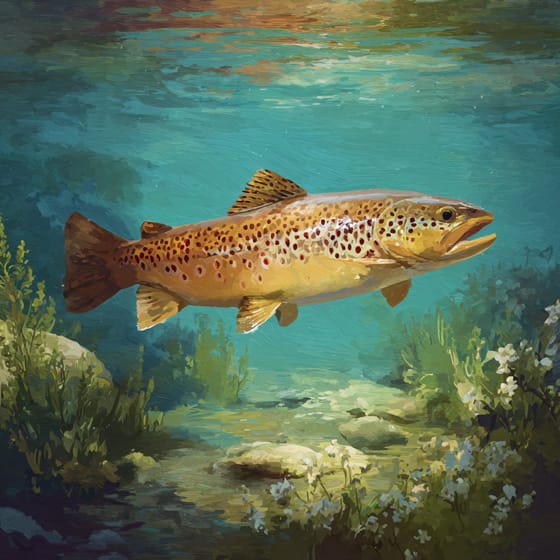
Salmo trutta
A crucial food source for trout, especially during large hatches.
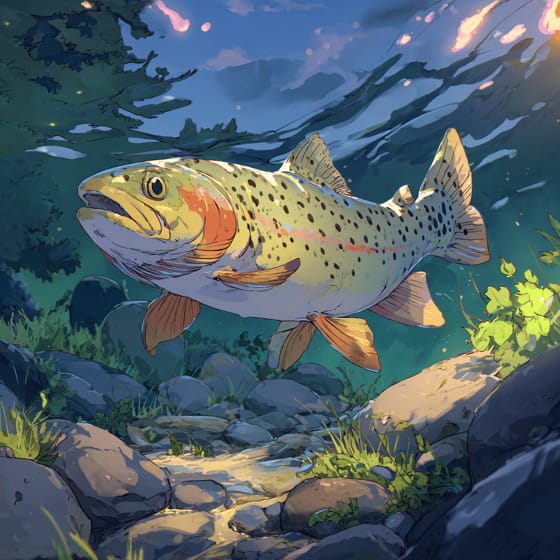
Oncorhynchus mykiss
Many fish, including trout, feast on Green Drake nymphs and adults.
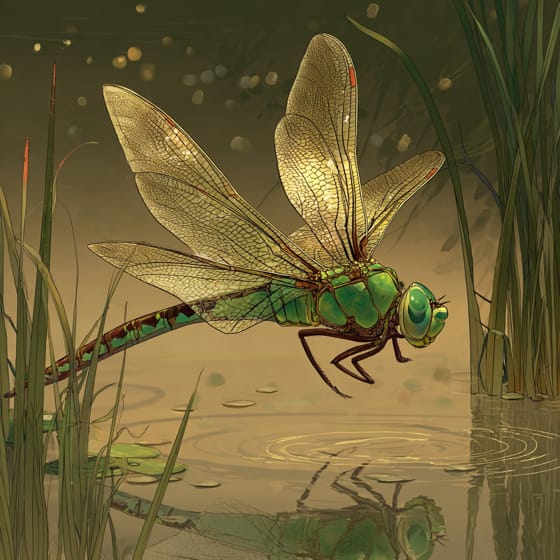
Anax junius
Dragonfly nymphs and adults actively hunt Green Drake nymphs and adults.
Chlorella vulgaris
Nymphs graze on this common algae and other tiny plants.
Aerial creatures spend a significant portion of their lives airborne, utilizing flight for various activities such as hunting, migration, or nesting.
Colorful describes organisms or objects displaying a wide range of bright and distinct colors.
This trait characterizes organisms whose diet consists entirely or primarily of plant material.
This trait identifies organisms whose diet primarily consists of insects and other small invertebrates.

This habitat trait identifies species found in wetlands, which are areas of land saturated with water, either permanently or seasonally, including marshes, swamps, and bogs.

Diurnal animals are primarily active during daylight hours, typically resting or sleeping at night.

Freshwater habitats include non-saline aquatic environments such as rivers, lakes, ponds, and wetlands, vital for numerous species.

Describes a species whose presence and role have a disproportionately large effect on its environment.

Describes organisms that transfer pollen, enabling the fertilization and reproduction of plants.
No aliases listed yet.
Danger
1/5 · Very low
Be careful near water where they live, and always stay close to an adult.
The easiest way to identify Green Drakes is to use the Snappit nature identifier app.
30-70 mm
15-30 mm
1-5 days
5 km/h
Young Green Drakes munch on tiny plant bits and decaying matter in the water.
Wetlands
Foraging
Zoom in to split clusters and explore where this object has been snapped.
Recent snaps will appear here as new observations are added.
Take the discovery with you
Snap it with Snappit to identify it, learn what makes it special, and add the discovery to your collection.







.jpg&width=800)


