





Porter's Rustic
Athetis hospes
Porter's Rustic is a lovely moth that flutters around at night. Its soft, brown wings help it blend in with the trees and grass, making it a little tricky to spot!
Habitat: Grasslands
The Porter's Rustic is a small moth with mottled, pale brownish-yellow forewings that often have faint darker streaks or spots, making it look like a piece of dry bark. Its hindwings are much paler, a plain whitish-grey colour. This camouflage helps it blend seamlessly into its surroundings.
Category
InsectsRarity
Common
Danger
1/5 · Very low
Snaps
Be the first to snap!
Adult Porter's Rustic moths mostly live off the energy stored as caterpillars, hardly needing to eat at all!
Before becoming a moth, it spends weeks as a caterpillar, munching on grasses!
Its 'rustic' name perfectly describes its camouflaged look, blending into dull, natural backgrounds.
This moth is a globe-trotter, accidentally traveling to new continents by hitching rides on plants!
Porter's Rustic has dull, mottled wings that help them blend perfectly with tree bark or dead leaves, hiding from hungry birds.
Porter's Rustic can see well in very low light because of their special compound eyes, allowing them to fly and find food after dark.
Porter's Rustic has feathery antennae that help them sniff out tiny amounts of plant chemicals or other moths from far away.
As caterpillars, they munch on many kinds of grass and other low plants.
Age differences: Larvae are voracious plant-eaters, while adult moths typically do not feed or only sip nectar.
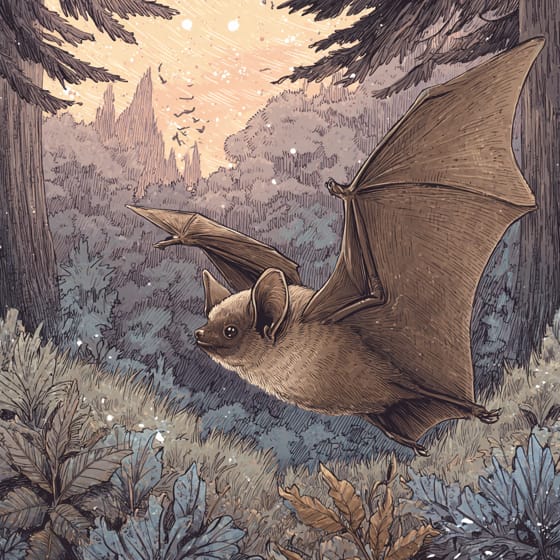
Myotis lucifugus
Bats hunt these moths at night for a tasty snack.
Araneus diadematus
Spiders catch moths in their sticky webs.
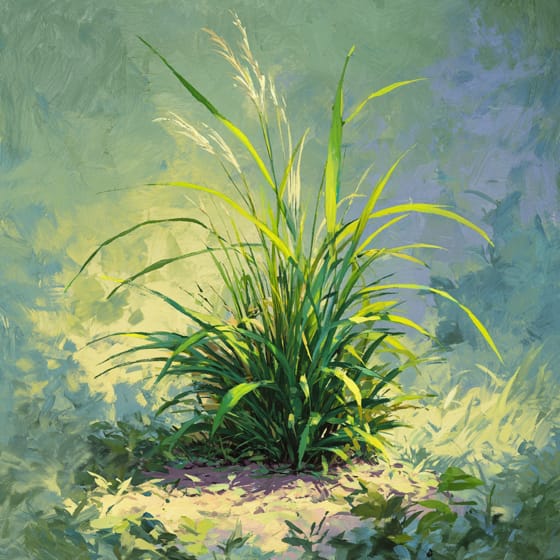
Poa pratensis
Caterpillars munch on the leaves of this common grass.

Trifolium repens
Larvae feed on clover, a common ground cover plant.
Solitary animals live alone for most of their lives, only interacting with others for mating or parental care.
Camouflaged describes organisms that possess coloring or patterns that allow them to blend into their environment.
Grassland habitats are terrestrial biomes dominated by grasses and herbaceous plants, supporting a variety of grazing animals.
This trait characterizes organisms whose diet consists entirely or primarily of plant material.

Nocturnal animals are primarily active during the nighttime hours, typically resting or sleeping during the day.

Describes organisms that transfer pollen, enabling the fertilization and reproduction of plants.
No aliases listed yet.
Danger
1/5 · Very low
Moths are gentle creatures, but it's best to watch them from a distance.
The easiest way to identify Porter's Rustic is to use the Snappit nature identifier app.
20-25 mm
8-12 mm
7-14 days
As caterpillars, they munch on many kinds of grass and other low plants.
Grasslands
Foraging
6
Zoom in to split clusters and explore where this object has been snapped.
Recent snaps will appear here as new observations are added.
Take the discovery with you
Snap it with Snappit to identify it, learn what makes it special, and add the discovery to your collection.







.jpg&width=800)




