





Green Hairstreak
Callophrys rubi
The Green Hairstreak is a small butterfly with bright green wings. It loves to flutter around in sunny places, especially where there are flowers and bushes.
Habitat: Woodlands
The Green Hairstreak has brilliant iridescent emerald green undersides, sharply contrasting with its plain brown uppersides. It's unique among hairstreaks for lacking the typical 'hairstreak' tail on its hindwings.
Category
InsectsRarity
Common
Danger
1/5 · Very low
Snaps
Be the first to snap!
Caterpillars often trick ants into protecting them with sugary secretions!
Despite its name, it actually has no tiny 'hairstreak' tails on its hindwings!
It's one of the earliest butterflies to emerge, often seen in early spring!
Its stunning green color comes from microscopic scales that reflect light!
Green Hairstreak can vanish into foliage because its emerald green wings blend perfectly with leaves, helping it hide from predators.
Green Hairstreak has dark bodies that help them absorb sunlight efficiently, allowing them to warm up quickly and fly on cool spring days.
Green Hairstreak can lay tiny eggs camouflaged to look like flower buds, protecting them from hungry birds and insects.
Adults sip nectar from flowers, while caterpillars munch on leaves and buds.
Age differences: Caterpillars eat plant leaves and buds, while adult butterflies feed on flower nectar.
Rubus fruticosus
Caterpillars feed on its leaves.
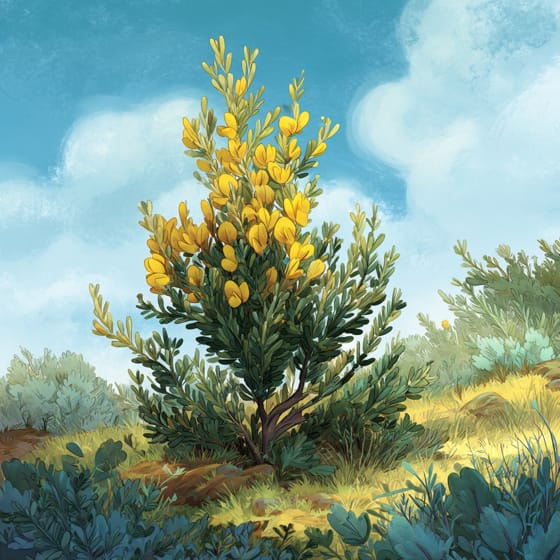
Ulex europaeus
Caterpillars munch on its flowers and buds.
_Lotus_corniculatus_-_Plant_habit.jpg&width=800)
Lotus corniculatus
Adult butterflies help spread its pollen.
Formica rufa
Ants protect caterpillars for sugary honeydew.
Solitary animals live alone for most of their lives, only interacting with others for mating or parental care.
Colorful describes organisms or objects displaying a wide range of bright and distinct colors.
This trait characterizes organisms whose diet consists entirely or primarily of plant material.
Describes plants that are particularly attractive and beneficial to a wide range of pollinating organisms.

Forest habitats are terrestrial environments dominated by dense tree cover, supporting a high diversity of plant and animal life.

Diurnal animals are primarily active during daylight hours, typically resting or sleeping at night.

Describes organisms that transfer pollen, enabling the fertilization and reproduction of plants.
No aliases listed yet.
Danger
1/5 · Very low
Butterflies are gentle and safe to watch, but remember not to catch them.
The easiest way to identify Green Hairstreak is to use the Snappit nature identifier app.
25-35 mm
15-25 mm
7-14 days
10 km/h
Adults sip nectar from flowers, while caterpillars munch on leaves and buds.
Woodlands
Foraging
Zoom in to split clusters and explore where this object has been snapped.
Recent snaps will appear here as new observations are added.
Take the discovery with you
Snap it with Snappit to identify it, learn what makes it special, and add the discovery to your collection.








.jpg&width=800)


