





Green Silver-lines
Pseudoips prasinana
The Green Silver-lines is a beautiful moth with shiny green and silver stripes. It loves to flutter around gardens and fields, especially in warm weather. Watch out for its lovely colors during the day!
Habitat: Grasslands
The Green Silver-lines moth has vibrant apple-green wings marked with two distinct, shimmering silvery-white lines. Its striking color perfectly mimics fresh leaves, making it wonderfully camouflaged. The moth also features a delicate tuft of green scales on its head.
Category
InsectsRarity
Common
Danger
1/5 · Very low
Snaps
Be the first to snap!
Instead of sound, it uses special perfumes called pheromones to find a mate.
Its scientific name, Pseudoips prasinana, translates to "false leaf, leek green"!
The adult moth rests with wings folded, perfectly mimicking a triangular leaf.
This moth's caterpillar has a unique humped back, making it look like a plant bud!
Green Silver-lines can perfectly blend into leafy backgrounds because of its vibrant green wings that help them disappear from predators.
Green Silver-lines has excellent night vision that helps them fly and find food in the dark, avoiding most daytime predators.
Green Silver-lines larvae can spin strong silk cocoons that help them stay safe and hidden during their pupa stage.
Adults sip nectar, while caterpillars munch on tree leaves for growth.
Age differences: Larvae eat leaves; adults consume nectar from flowers.
Myotis myotis
Hunts adult moths at night.
Quercus robur
Caterpillars feed on its leaves.
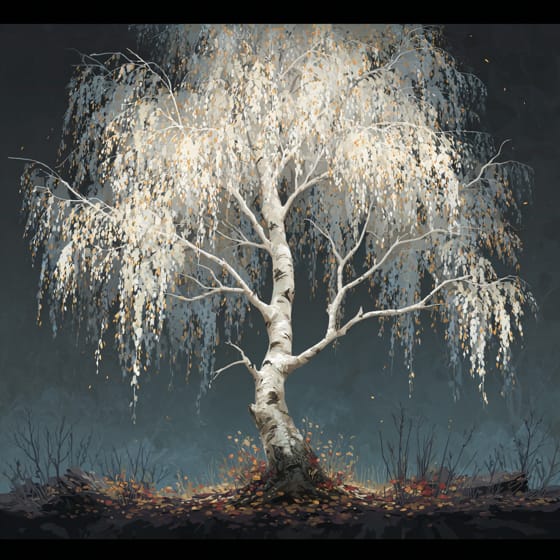
Betula pendula
Caterpillars also enjoy these leaves.

Lonicera periclymenum
Adult moths visit flowers for nectar.
Marked with parallel bands or lines of color.
Solitary animals live alone for most of their lives, only interacting with others for mating or parental care.
Camouflaged describes organisms that possess coloring or patterns that allow them to blend into their environment.
Colorful describes organisms or objects displaying a wide range of bright and distinct colors.

Grassland habitats are terrestrial biomes dominated by grasses and herbaceous plants, supporting a variety of grazing animals.

This trait characterizes organisms whose diet consists entirely or primarily of plant material.

Describes plants that are particularly attractive and beneficial to a wide range of pollinating organisms.

Diurnal animals are primarily active during daylight hours, typically resting or sleeping at night.

Describes organisms that transfer pollen, enabling the fertilization and reproduction of plants.
No aliases listed yet.
Danger
1/5 · Very low
Don't touch moths, as they can be delicate and might fly away quickly.
The easiest way to identify Green Silver-lines is to use the Snappit nature identifier app.
30-40 mm
15-20 mm
7-14 days
10 km/h
Adults sip nectar, while caterpillars munch on tree leaves for growth.
Grasslands
Foraging
Zoom in to split clusters and explore where this object has been snapped.
Recent snaps will appear here as new observations are added.
Take the discovery with you
Snap it with Snappit to identify it, learn what makes it special, and add the discovery to your collection.






.jpg&width=800)



