





Grey Bush-cricket
Platycleis albopunctata
The Grey Bush-cricket is a small insect that loves to hide in grass and bushes. They make a chirping sound, especially during warm summer nights, which is their way of singing to each other.
Habitat: Grasslands
The Grey Bush-cricket has a slender body, mottled grey-brown with tiny black spots, helping it blend perfectly with bark and dried leaves. It has extremely long, thin antennae, often longer than its body, and large eyes. Unlike many crickets, its wings are often shorter than its abdomen.
Category
InsectsRarity
Common
Danger
1/5 · Very low
Snaps
Be the first to snap!
Each species of bush-cricket has a unique song, like a secret handshake!
Female Grey Bush-crickets use a sword-like organ to lay eggs deep in soil.
Their tiny ears are actually located on their front legs, below the knees!
They only live for one summer as adults after hatching from their eggs.
Grey Bush-cricket can blend perfectly with branches and leaves because of its mottled grey and brown coloring that helps them hide from hungry birds.
Grey Bush-cricket can 'sing' by rubbing its wings together, creating a unique buzzing sound that helps them attract a mate.
Grey Bush-cricket has powerful hind legs that help them leap many times their own body length to escape predators quickly.
Grey Bush-cricket has very long antennae that help them feel and smell their surroundings, navigating in the dark to find food and friends.
These crickets munch on plants and tiny bugs, making them tiny gardeners and hunters.
Turdus merula
A common meal for hungry birds.
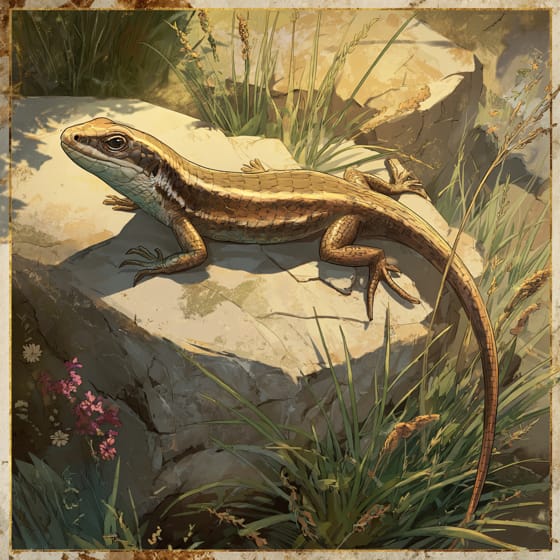
Zootoca vivipara
Lizards hunt them in sunny habitats.
Myzus persicae
Helps control aphid populations.
Pieris rapae
Eats the larvae, protecting plants.
Solitary animals live alone for most of their lives, only interacting with others for mating or parental care.
Singing animals produce complex vocalizations, often for purposes of attracting mates, defending territory, or communicating within their species.
Camouflaged describes organisms that possess coloring or patterns that allow them to blend into their environment.
Grassland habitats are terrestrial biomes dominated by grasses and herbaceous plants, supporting a variety of grazing animals.

This trait characterizes organisms whose diet consists entirely or primarily of plant material.

Pertaining to species that are significantly smaller than typical or average for their kind.

This trait identifies organisms that exhibit exceptional swiftness in movement for hunting, escape, or travel.

Nocturnal animals are primarily active during the nighttime hours, typically resting or sleeping during the day.
No aliases listed yet.
Danger
1/5 · Very low
It's best to watch crickets from a distance and not touch them, as they can be delicate.
The easiest way to identify Grey Bush-cricket is to use the Snappit nature identifier app.
30-50 mm
15-25 mm
60-120 days
These crickets munch on plants and tiny bugs, making them tiny gardeners and hunters.
Grasslands
Foraging
6
Zoom in to split clusters and explore where this object has been snapped.
Recent snaps will appear here as new observations are added.
Take the discovery with you
Snap it with Snappit to identify it, learn what makes it special, and add the discovery to your collection.







.jpg&width=800)




