





Grouse Whortleberry
Vaccinium scoparium
The Grouse Whortleberry is a small shrub that grows tasty berries. These berries are loved by birds and other animals. They are often found in the wild, making them a special treat in nature!
Habitat: Forests
The Grouse Whortleberry is a small, upright shrub with slender, reddish-brown twigs. It has tiny, bright green oval leaves that turn brilliant red-orange in fall. Its delicate, pinkish-white bell-shaped flowers mature into small, shiny red to dark blue berries.
Category
PlantsRarity
Common
Danger
1/5 · Very low
Snaps
2
Even though it's called 'whortleberry,' it's actually a close relative of the popular blueberry!
In autumn, its small green leaves put on a spectacular show, transforming into vibrant shades of red and orange!
It can thrive in challenging, rocky mountain soils where most other plants struggle to grow!
These tiny berries were once a key food source for Native American tribes in mountain regions!
Grouse Whortleberry thrives in acidic, nutrient-poor soils where many plants struggle, thanks to specialized root fungi helping it absorb nutrients.
Grouse Whortleberry spreads through underground stems (rhizomes), forming dense patches and quickly colonizing disturbed areas for survival.
Grouse Whortleberry produces abundant small, tart berries, providing a vital food source for birds and mammals, ensuring seed dispersal.
Ursus americanus
Forages on berries in late summer
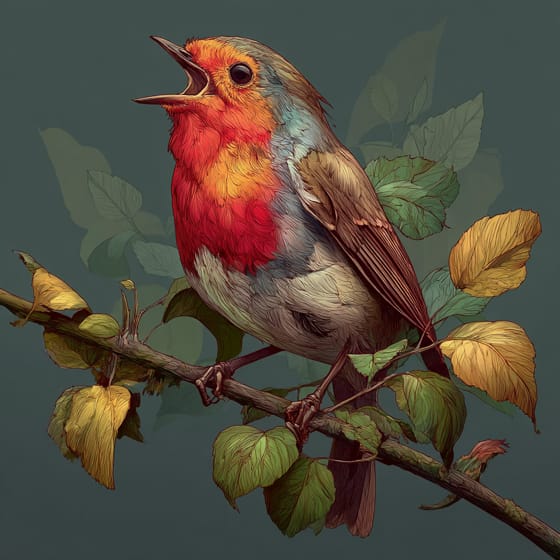
Turdus migratorius
Eats berries for energy

Bombus vosnesenskii
Collects nectar and pollen
Rhizoscyphus ericae
Aids nutrient absorption in poor soils
Shade tolerant plants are adapted to grow and thrive in areas with low light levels, requiring less direct sunlight.
A shrub is a woody plant smaller than a tree, typically with multiple stems branching from or near the ground.
Fruit-bearing plants produce fruits, which are the mature ovaries of flowering plants containing seeds.
Edible plants are those parts of a plant that are considered safe for human consumption.

Fall color refers to the seasonal change in foliage pigmentation, primarily in deciduous plants, displaying vibrant hues.

This habitat trait identifies species found in mountainous regions, characterized by high elevation, steep slopes, and varying climate zones.

Forest habitats are terrestrial environments dominated by dense tree cover, supporting a high diversity of plant and animal life.
No aliases listed yet.
Danger
1/5 · Very low
Always check with an adult before eating any berries in nature.
The easiest way to identify Grouse Whortleberry is to use the Snappit nature identifier app.
10-60 cm
15-75 cm
0.3-0.5 cm
Late spring to early summer
Yes
None
Perennial
Zoom in to split clusters and explore where this object has been snapped.

Washington, US
You might spot Whitebark Pine, Subalpine Larch, and White Pasqueflower.
View guide →

Wyoming, US
You might spot Elk, American Bison, and American White Pelican.
View guide →
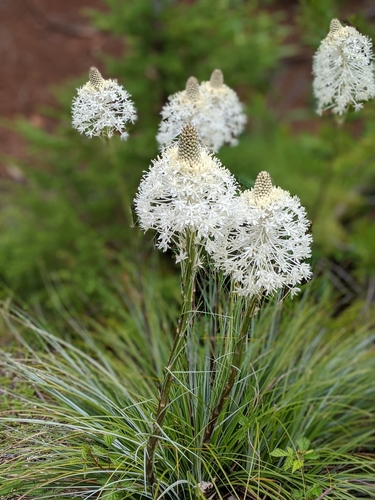
British Columbia, CA
You might spot Common Beargrass and Subalpine Larch.
View guide →
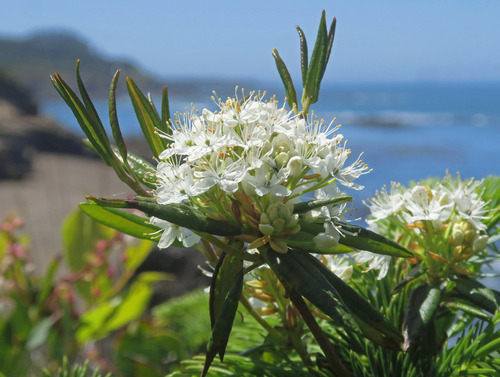
British Columbia, CA
You might spot Western Labrador Tea and Grouse Whortleberry.
View guide →
Take the discovery with you
Snap it with Snappit to identify it, learn what makes it special, and add the discovery to your collection.








.jpg&width=800)



_001.jpg&width=800)


