





Guanaco
Lama guanicoe
Guanacos are gentle animals that live in the wild. They have long legs and a soft, thick coat that keeps them warm in the cold mountains.
Habitat: Mountain regions
The Guanaco is a large camelid with a graceful neck and long legs, covered in thick, woolly fur that is typically light brown to reddish-brown on its back and sides, fading to white on its belly. It has a distinctive grey face with small, pointed ears, setting it apart from its domesticated relatives.
Category
MammalsRarity
Common
Danger
2/5 · Low
Snaps
Be the first to snap!
Baby guanacos can stand and run within minutes of being born, amazing!
Guanacos have soft pads on their feet, like built-in shoes, to walk on rocky ground easily!
Their thick woolly coat helps them stay warm in freezing mountain winters and cool in summer.
They communicate using over 18 different sounds, from humming to snorting!
Guanaco has special red blood cells that carry more oxygen, allowing them to live and thrive in very high mountains.
Guanaco can spit foul-smelling stomach contents at predators, creating a distraction to help them escape harm.
Guanaco can run at high speeds for extended periods across tough terrain, helping them flee from chasing predators.
Guanaco can get most of its water from plants, allowing it to survive in dry areas where water is scarce.
These plant-eaters munch on grasses, herbs, shrubs, and even cacti in their harsh habitats.
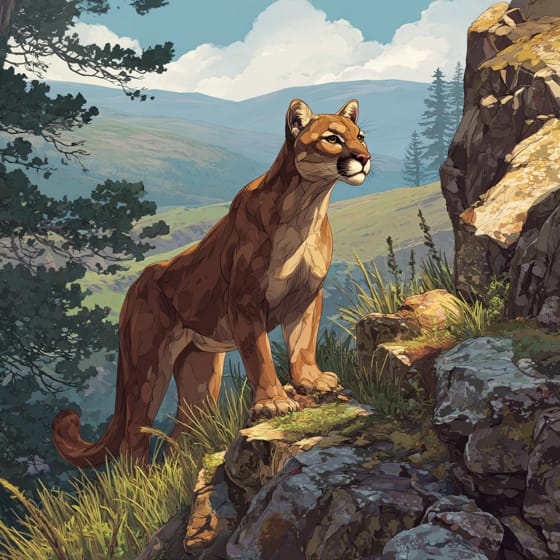
Puma concolor
Primary predator of adults and young across their range.
Lycalopex culpaeus
Preys on guanaco fawns and sick individuals.

Vultur gryphus
Scavenges on guanaco carcasses, an important food source.
Furry describes animals possessing a dense covering of soft hair or fur.
Social animals live in organized groups, cooperating for survival benefits such as foraging, defense, and raising offspring.
This trait characterizes organisms whose diet consists entirely or primarily of plant material.
This habitat trait identifies species found in mountainous regions, characterized by high elevation, steep slopes, and varying climate zones.

Diurnal animals are primarily active during daylight hours, typically resting or sleeping at night.

This trait identifies organisms that exhibit exceptional swiftness in movement for hunting, escape, or travel.
No aliases listed yet.
Danger
2/5 · Low
Always watch guanacos from a distance, as they are wild animals.
The easiest way to identify Guanaco is to use the Snappit nature identifier app.
120-220 cm
90-140 kg
15-20 years
56 km/h
These plant-eaters munch on grasses, herbs, shrubs, and even cacti in their harsh habitats.
Mountain regions
Grazing
Zoom in to split clusters and explore where this object has been snapped.
Recent snaps will appear here as new observations are added.
Take the discovery with you
Snap it with Snappit to identify it, learn what makes it special, and add the discovery to your collection.





.jpg&width=800)


.JPG&width=800)


.jpg&width=800)
