_BHL43276722.jpg&width=800)





Agile Kangaroo Rat
Dipodomys agilis
The Agile Kangaroo Rat is a small, cute animal that hops like a kangaroo! It has big eyes and long back legs, helping it jump quickly to escape from danger.
Habitat: Desert
The Agile Kangaroo Rat has soft, buffy-yellow fur on its back, contrasting sharply with a pure white belly. It features large dark eyes, small ears, and very large hind feet. Its extremely long tail, often longer than its body, ends in a distinctive dark tuft.
Category
MammalsRarity
Common
Danger
1/5 · Very low
Snaps
Be the first to snap!
Kangaroo rats have tiny front paws but giant hind feet for powerful leaps.
Their amazing hearing can pick up even a silent owl's wingbeats!
These little architects dig complex underground homes with many tunnels.
They kick sand at rivals to defend their burrows!
Agile Kangaroo Rat can change direction mid-jump using its long, tufted tail like a rudder, helping it dodge predators.
Agile Kangaroo Rat has highly sensitive inner ears that help them detect tiny ground vibrations from approaching predators.
Agile Kangaroo Rat has sand-bathing habits that helps them keep their fur clean and free of parasites in arid environments.
Agile Kangaroo Rat can quickly gather and store seeds in large, external cheek pouches, helping them cache food for later.
This desert rodent primarily feasts on dry seeds, but also enjoys some green plants and small insects.
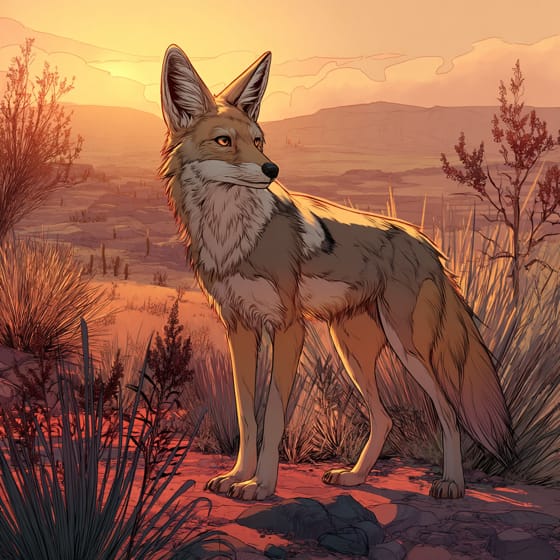
Canis latrans
A common predator in its native habitat.

Bubo virginianus
A nocturnal hunter of small rodents.
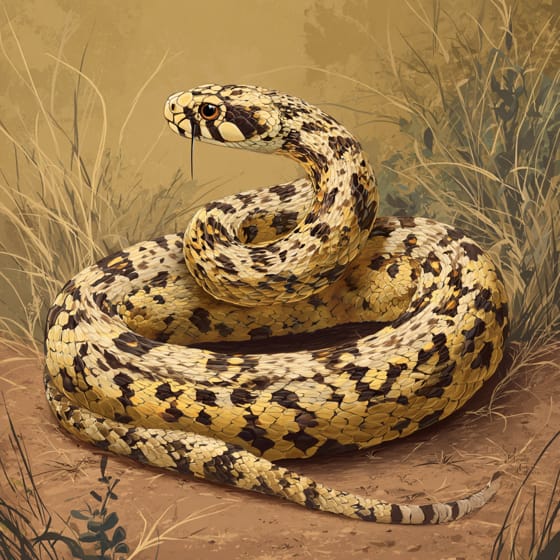
Pituophis catenifer
Snakes hunt them in their burrow systems.
Ambrosia dumosa
Relies on its seeds for a food source.
Furry describes animals possessing a dense covering of soft hair or fur.
Solitary animals live alone for most of their lives, only interacting with others for mating or parental care.
Burrowing animals dig tunnels and chambers in the ground, using these subterranean structures for shelter, hunting, or breeding.
This trait characterizes organisms whose diet consists entirely or primarily of plant material.

Desert habitats are arid regions characterized by extremely low precipitation and often extreme temperatures, supporting specialized flora and fauna.

Describes a species whose presence and role have a disproportionately large effect on its environment.

This trait identifies organisms that exhibit exceptional swiftness in movement for hunting, escape, or travel.

Nocturnal animals are primarily active during the nighttime hours, typically resting or sleeping during the day.
No aliases listed yet.
Danger
1/5 · Very low
These animals are shy and prefer to be left alone. It's best to watch them from a distance.
The easiest way to identify Agile Kangaroo Rat is to use the Snappit nature identifier app.
10-14 cm
0.05-0.09 kg
2-5 years
10 km/h
This desert rodent primarily feasts on dry seeds, but also enjoys some green plants and small insects.
Desert
Foraging
Zoom in to split clusters and explore where this object has been snapped.
Recent snaps will appear here as new observations are added.
Take the discovery with you
Snap it with Snappit to identify it, learn what makes it special, and add the discovery to your collection.




.jpg&width=800)



.JPG&width=800)

.jpg&width=800)
