





Hackberry Petiole Gall Psyllid
Pachypsylla venusta
The Hackberry Petiole Gall Psyllid is a tiny insect that makes special galls on hackberry trees. These galls are like little homes for the psyllid babies, making them very unique!
Habitat: Urban areas, forests
The Hackberry Petiole Gall Psyllid is a tiny insect, typically 1-3 mm long, with a greenish-brown to yellowish body. It has clear wings held tent-like over its back and somewhat resembles a miniature cicada or aphid. Its appearance is often overshadowed by the distinctive bumpy galls it creates on hackberry trees.
Category
InsectsRarity
Common
Danger
1/5 · Very low
Snaps
2
Adults spend winter hiding in tree bark cracks!
Baby psyllids live inside their bumpy plant homes.
The galls protect them like a tiny, leafy castle!
They only eat one type of tree, the hackberry!
Hackberry Petiole Gall Psyllid can make plants grow special homes called galls because of chemicals they inject, that help them hide and protect their young.
Hackberry Petiole Gall Psyllid can jump surprisingly far because of strong back legs, that helps them escape predators quickly.
Hackberry Petiole Gall Psyllid can drink tree sap because of a straw-like mouthpart, that helps them get food from deep inside plants.
Tiny sap-suckers that drink plant juices from hackberry trees.
Celtis occidentalis
Provides food and shelter for all life stages.
Hippodamia convergens
Adults and larvae prey on psyllid nymphs.
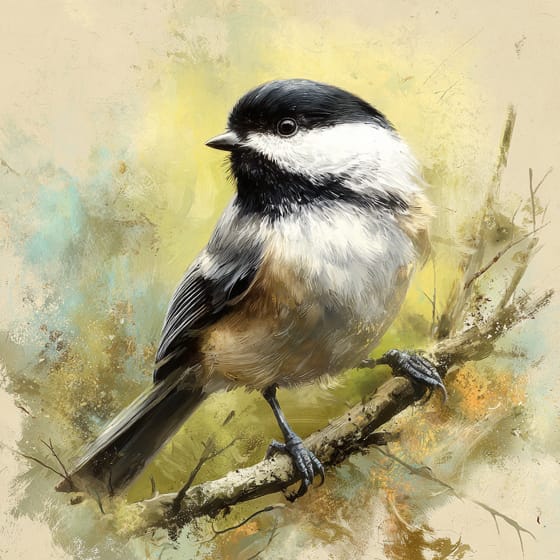
Poecile atricapillus
Birds peck at galls to eat the developing psyllid nymphs inside.
Solitary animals live alone for most of their lives, only interacting with others for mating or parental care.
This trait characterizes organisms whose diet consists entirely or primarily of plant material.
Forest habitats are terrestrial environments dominated by dense tree cover, supporting a high diversity of plant and animal life.
Diurnal animals are primarily active during daylight hours, typically resting or sleeping at night.

Describes a species whose presence and role have a disproportionately large effect on its environment.

Pertaining to species that are significantly smaller than typical or average for their kind.

This habitat trait indicates species that can coexist with humans in urban and suburban environments, utilizing man-made structures and green spaces.

Describes organisms that transfer pollen, enabling the fertilization and reproduction of plants.
No aliases listed yet.
Danger
1/5 · Very low
Always look but don't touch insects, as some can be delicate.
The easiest way to identify Hackberry Petiole Gall Psyllid is to use the Snappit nature identifier app.
3-6 mm
1-3 mm
20-45 days
0.5 km/h
Tiny sap-suckers that drink plant juices from hackberry trees.
Urban areas, forests
Foraging
Zoom in to split clusters and explore where this object has been snapped.

Texas, US
You might spot Christmas Cholla, Dakota Mock Vervain, and Honey Mesquite.
View guide →

West Virginia, US
You might spot White-Tailed Deer, Dame's Rocket, and Jimsonweed.
View guide →

Maryland, US
You might spot Bufflehead, Common Goldeneye, and Duck.
View guide →
Take the discovery with you
Snap it with Snappit to identify it, learn what makes it special, and add the discovery to your collection.







.jpg&width=800)


