





gaultheria leafminer moth
Cameraria gaultheriella
The gaultheria leafminer moth is a tiny insect that loves to munch on leaves. It makes little tunnels inside leaves, which can look like tiny mazes. These moths are special because they help show how plants are doing!
Habitat: Forests
The gaultheria leafminer moth is a tiny insect, featuring shiny, silvery-white forewings patterned with distinct dark brown or blackish bands and spots. Its delicate wings often have long fringes along the edges. It is easily recognized by these specific, intricate wing markings.
Category
InsectsRarity
Common
Danger
1/5 · Very low
Snaps
Be the first to snap!
Even though they eat leaves, they usually don't hurt the big salal plant too much!
Its tiny babies eat and grow *inside* a leaf, staying hidden from hungry birds!
The 'art' on a salal leaf, like a squiggly line, is actually a tunnel made by this moth's larva.
These moths are so small, you might think they're just tiny flecks of dust flying around!
Gaultheria leafminer moth larvae can live and eat entirely inside a leaf because their flattened bodies help them tunnel safely between leaf layers.
This moth has a special ability to find specific salal plants (Gaultheria shallon) because its offspring can only survive eating these leaves.
The moth's caterpillar creates a 'tentiform' mine, lifting the leaf surface to form a protective hideaway that helps it stay safe from predators.
Young moths munch on salal leaves from the inside, while adult moths usually don't eat much.
Age differences: Larvae eat plant tissue inside leaves; adults primarily focus on reproduction and rarely feed.

Gaultheria shallon
Larvae develop by eating the leaves of this specific plant.
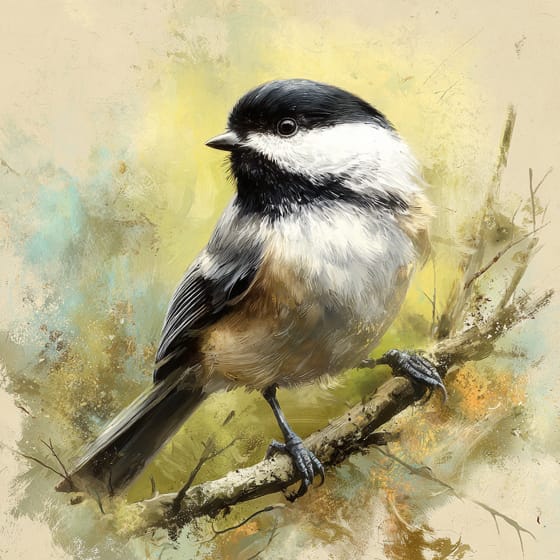
Poecile atricapillus
Chickadees forage for leafminer larvae inside leaves.
Sympiesis marylandensis
The wasp lays eggs on the larva, which it then consumes.
Solitary animals live alone for most of their lives, only interacting with others for mating or parental care.
This trait characterizes organisms whose diet consists entirely or primarily of plant material.
Describes organisms that break down dead organic material, recycling nutrients back into the ecosystem.
Forest habitats are terrestrial environments dominated by dense tree cover, supporting a high diversity of plant and animal life.

Diurnal animals are primarily active during daylight hours, typically resting or sleeping at night.

Pertaining to species that are significantly smaller than typical or average for their kind.

Describes organisms that transfer pollen, enabling the fertilization and reproduction of plants.
No aliases listed yet.
Danger
1/5 · Very low
Always look but don't touch insects, as some can be delicate.
The easiest way to identify gaultheria leafminer moth is to use the Snappit nature identifier app.
5-8 mm
2-4 mm
7-14 days
Young moths munch on salal leaves from the inside, while adult moths usually don't eat much.
Forests
6
Zoom in to split clusters and explore where this object has been snapped.
Recent snaps will appear here as new observations are added.

British Columbia, CA
You might spot Broad-Leaved Stonecrop, Salal, and Pacific Sanicle.
View guide →

British Columbia, CA
You might spot Pacific Banana Slug and Arctic Butterbur.
View guide →

British Columbia, CA
You might spot Ochre Sea Star and Aggregating Anemone.
View guide →

British Columbia, CA
You might spot Salal, Evergreen Huckleberry, and Douglas Fir.
View guide →
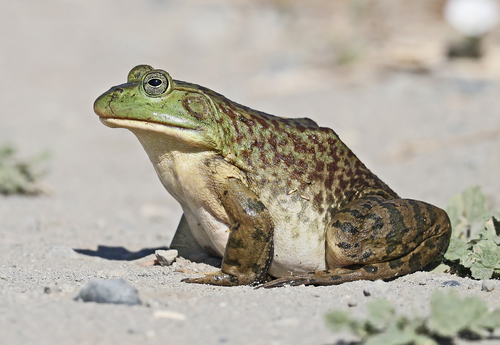
British Columbia, CA
You might spot American Bullfrog, Salal, and Garter Snake.
View guide →
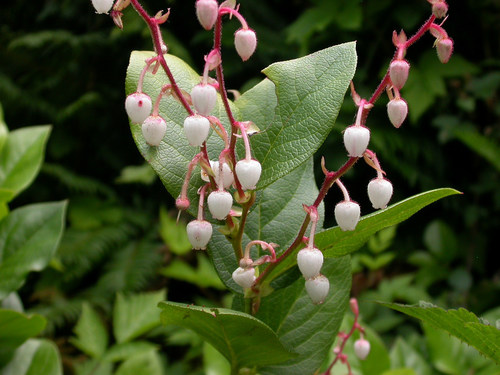
British Columbia, CA
You might spot Salal, Small Ground-Cone, and Evergreen Huckleberry.
View guide →
Take the discovery with you
Snap it with Snappit to identify it, learn what makes it special, and add the discovery to your collection.







.jpg&width=800)



