





hairy buttercup
Ranunculus sardous
The hairy buttercup is a bright yellow flower that loves to grow in grassy places. Its fuzzy leaves and cheerful blooms make it a lovely sight in spring and summer!
Habitat: Grasslands
The hairy buttercup has bright, glossy yellow flowers, typically with five petals, that stand out against its deeply lobed, often bristly leaves. Its robust, somewhat hairy stems give it a rougher texture compared to smoother buttercup species.
Category
PlantsRarity
Common
Danger
2/5 · Low
Snaps
2
Crushing its leaves can release a skin-irritating, blistering sap!
Each tiny seed can stay hidden in the soil for many years, waiting to grow!
Farmers dislike it because it can make hay inedible for livestock.
Its bright petals are so shiny, they almost look like polished gold!
Hairy buttercup has a toxic sap (protoanemonin) that makes it taste bad, helping it defend against hungry animals.
Its waxy, glossy petals reflect sunlight and UV light, acting like a beacon to attract helpful pollinating insects.
As an annual, it can grow and bloom quickly in open or disturbed areas, helping it colonize new spots fast.
Apis mellifera
Visits flowers to collect nectar and pollen.
Bombus pascuorum
A common bumblebee gathering resources from its blooms.
Liriomyza ranunculi
Larvae mine tunnels within its leaves.

Equus caballus
Ingestion of fresh plants can sicken grazing horses.
Furry describes animals possessing a dense covering of soft hair or fur.
Flowering plants are any plants that produce flowers as part of their reproductive cycle.
Spring blooming plants produce their flowers during the spring season, often signifying the end of winter and the start of new growth.
Summer blooming plants produce their flowers during the summer season, often providing vibrant color when many other plants have finished.

Fragrant flowers emit a pleasant aroma, often to attract pollinators or for defense.

Grassland habitats are terrestrial biomes dominated by grasses and herbaceous plants, supporting a variety of grazing animals.

Describes plants that are particularly attractive and beneficial to a wide range of pollinating organisms.
No aliases listed yet.
Danger
2/5 · Low
Do not eat any flowers without asking an adult, as some can be harmful.
The easiest way to identify hairy buttercup is to use the Snappit nature identifier app.
10-60 cm
15-30 cm
1-2.5 cm
Spring to early summer
No
Moderate
Annual
Zoom in to split clusters and explore where this object has been snapped.

Arkansas, US
You might spot Pear-Shaped Puffball and American Beautyberry.
View guide →

Illinois, US
You might spot Cliff Swallow, Baldcypress, and Indian Heliotrope.
View guide →
Illinois, US
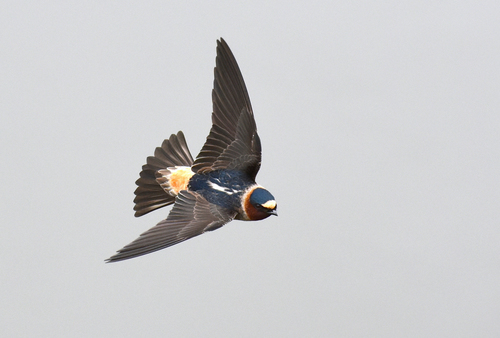
You might spot Cliff Swallow, Baldcypress, and Indian Heliotrope.
View guide →
Take the discovery with you
Snap it with Snappit to identify it, learn what makes it special, and add the discovery to your collection.








.jpg&width=800)


_001.jpg&width=800)




