.jpg&width=800)





Hairy-footed Flower Bee
Anthophora plumipes
The Hairy-footed Flower Bee is a fuzzy little bee that loves to visit flowers. They are great at helping plants grow by spreading pollen while they collect nectar.
Habitat: Urban areas
The Hairy-footed Flower Bee is a large, bumblebee-like bee. Females are mostly black with striking orange-red hairs on their hind legs, while males have yellowish-brown fur and distinctive long, pale, hairy forelegs. Both have a characteristically fast, darting flight.
Category
InsectsRarity
Common
Danger
1/5 · Very low
Snaps
Be the first to snap!
Even though they look chunky, these bees are super agile fliers, zipping around flowers at top speed.
Hairy-footed Flower Bees love flowers with long, tubular shapes because their tongues are extra long!
Male Hairy-footed Flower Bees have extra-long, tufted forelegs that they wave to attract females!
These solitary bees don't live in hives; instead, each female builds her own nest in the ground.
Hairy-footed Flower Bee has super hairy hind legs that help them carry large amounts of pollen back to their nests.
Hairy-footed Flower Bee can vibrate flowers at a specific frequency to release hidden pollen, like a tiny sonic boom!
Hairy-footed Flower Bee can emerge early in spring, giving them first access to fresh flowers and resources.
This bee drinks flower nectar for energy and collects pollen to feed its young.
Symphytum officinale
Main source of nectar and pollen for adults.
Lamium album
An important early spring flower for food.
Melecta luctuosa
A cuckoo bee that lays its eggs in their nests.
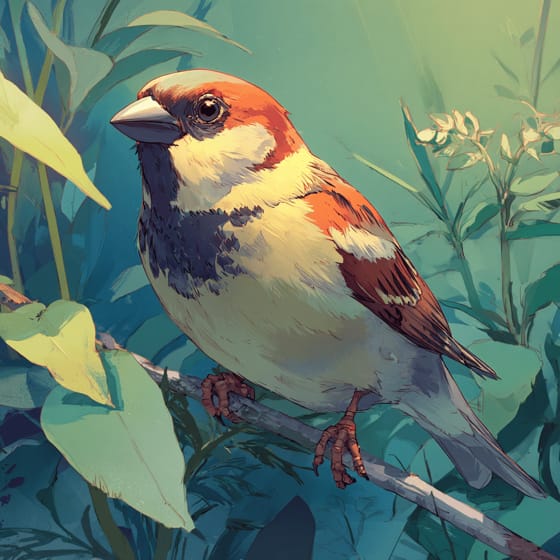
Passer domesticus
Birds can sometimes prey on foraging bees.
Furry describes animals possessing a dense covering of soft hair or fur.
Solitary animals live alone for most of their lives, only interacting with others for mating or parental care.
This trait characterizes organisms whose diet consists entirely or primarily of plant material.
Describes plants that are particularly attractive and beneficial to a wide range of pollinating organisms.

Diurnal animals are primarily active during daylight hours, typically resting or sleeping at night.

This habitat trait indicates species that can coexist with humans in urban and suburban environments, utilizing man-made structures and green spaces.

Describes organisms that transfer pollen, enabling the fertilization and reproduction of plants.
No aliases listed yet.
Danger
1/5 · Very low
Be gentle and quiet around bees; they are friendly and help flowers grow!
The easiest way to identify Hairy-footed Flower Bee is to use the Snappit nature identifier app.
20-28 mm
12-16 mm
20-40 days
18 km/h
This bee drinks flower nectar for energy and collects pollen to feed its young.
Urban areas
Foraging
Zoom in to split clusters and explore where this object has been snapped.
Recent snaps will appear here as new observations are added.
Take the discovery with you
Snap it with Snappit to identify it, learn what makes it special, and add the discovery to your collection.






.jpg&width=800)




