





Hammertails
Efferia
Hammertails are fascinating insects known for their unique tail shapes that look like hammers! They are often found buzzing around flowers and are important for helping plants grow by spreading pollen.
Habitat: Urban areas
The Hammertails is a sleek, often metallic-bodied insect, displaying shades of iridescent green, blue, or brown with transparent, veined wings. Its most unique feature is a flattened, paddle-like structure at the very end of its abdomen, resembling a tiny hammer.
Category
InsectsRarity
Common
Danger
1/5 · Very low
Snaps
Be the first to snap!
Baby Hammertails are legless larvae that live in soil or wood, transforming into winged adults!
Some Hammertails can hover perfectly still in mid-air, just like a tiny, living helicopter!
Their large eyes have thousands of tiny lenses, helping them see in almost every direction at once!
When threatened, some Hammertails might play dead, dropping to the ground to trick predators!
Hammertails has a unique hammer-shaped tail that helps them balance and steer with incredible agility during fast, erratic flights.
Hammertails can spot tiny moving prey from far away because of its large compound eyes that detect quick movements.
Hammertails can beat their wings at amazing speeds, allowing for sudden bursts of speed to escape from danger or catch prey.
These quick hunters mostly eat other small bugs they catch in the air, using their speedy flight.
Age differences: Larvae typically feed on decaying plant matter or smaller soil insects; adults exclusively hunt flying insects.
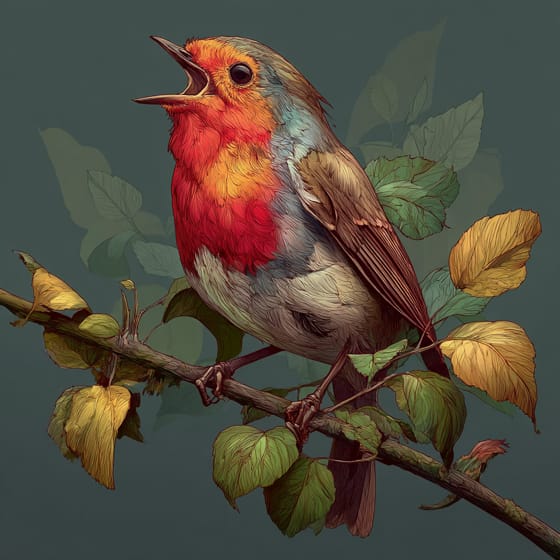
Turdus migratorius
Robins are common bird predators, catching them mid-flight.
Musca domestica
Hunts house flies, grabbing them with strong legs from the air.
Apis mellifera
Sometimes preys on honey bees, ambushing them while foraging.
Colorful describes organisms or objects displaying a wide range of bright and distinct colors.
This trait characterizes organisms whose diet consists entirely or primarily of plant material.
Describes plants that are particularly attractive and beneficial to a wide range of pollinating organisms.
This trait identifies organisms whose diet consists entirely or primarily of animal tissue.

Diurnal animals are primarily active during daylight hours, typically resting or sleeping at night.

This trait identifies organisms that exhibit exceptional swiftness in movement for hunting, escape, or travel.

This habitat trait indicates species that can coexist with humans in urban and suburban environments, utilizing man-made structures and green spaces.

Describes organisms that transfer pollen, enabling the fertilization and reproduction of plants.
No aliases listed yet.
Danger
1/5 · Very low
Be gentle and watch them from a distance; they are small and delicate.
The easiest way to identify Hammertails is to use the Snappit nature identifier app.
25-45 mm
15-30 mm
30-90 days
15 km/h
These quick hunters mostly eat other small bugs they catch in the air, using their speedy flight.
Urban areas
Pursuit
Zoom in to split clusters and explore where this object has been snapped.
Recent snaps will appear here as new observations are added.
Take the discovery with you
Snap it with Snappit to identify it, learn what makes it special, and add the discovery to your collection.







.jpg&width=800)



