





Harpalus
Harpalus
Harpalus is a type of beetle that loves to explore the ground. They are often found in gardens and fields, helping to keep the soil healthy by eating pests.
Habitat: Grasslands
The Harpalus is typically a dark-colored beetle, often black or brownish-black, sometimes with a metallic sheen or slightly reddish legs and antennae. It has a somewhat flattened, oval-shaped body, distinctive powerful jaws, and long, slender legs adapted for running quickly across the ground.
Category
InsectsRarity
Common
Danger
1/5 · Very low
Snaps
Be the first to snap!
Harpalus beetles help gardens by eating many common weed seeds.
Some Harpalus beetles can make a faint squeaking sound to warn off attackers!
Their larvae live hidden underground and are fierce little predators!
They can fly quite far to find new homes or avoid threats.
Harpalus can run extremely fast because of its long, strong legs that help them escape predators and chase prey.
Harpalus has powerful mandibles that help them crush tough seeds, allowing them to eat a varied diet.
Harpalus can quickly burrow into soil or under leaf litter, helping them find shelter and hide from danger.
These beetles are omnivores, enjoying both plant seeds and small insects.
Age differences: Larvae are primarily predatory, while adults consume both seeds and small invertebrates.
Poa annua
Consumes its seeds, acting as weed control.
Aphis gossypii
Predates on these small insects, especially as larvae.
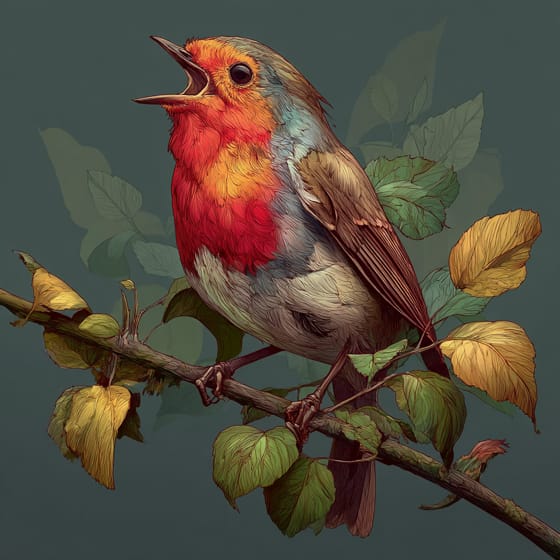
Turdus migratorius
A common bird predator in many habitats.
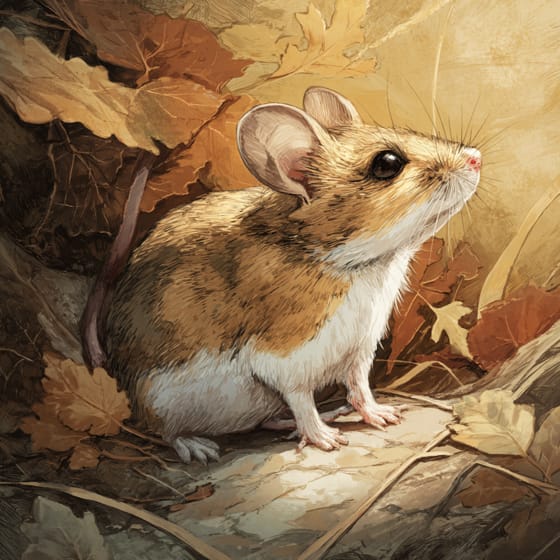
Peromyscus maniculatus
Small mammals prey on ground beetles.
Grassland habitats are terrestrial biomes dominated by grasses and herbaceous plants, supporting a variety of grazing animals.
This trait identifies organisms whose diet primarily consists of insects and other small invertebrates.
Describes organisms that break down dead organic material, recycling nutrients back into the ecosystem.
Diurnal animals are primarily active during daylight hours, typically resting or sleeping at night.

Describes a species whose presence and role have a disproportionately large effect on its environment.

Pertaining to species that are significantly smaller than typical or average for their kind.

This trait identifies organisms that exhibit exceptional swiftness in movement for hunting, escape, or travel.

Pertaining to organisms that emit light through bioluminescence or fluorescence.

Describes organisms that transfer pollen, enabling the fertilization and reproduction of plants.
No aliases listed yet.
Danger
1/5 · Very low
Harpalus beetles are friendly and safe to observe. Just watch them from a distance.
The easiest way to identify Harpalus is to use the Snappit nature identifier app.
10-35 mm
5-18 mm
60-365 days
5-12 km/h
These beetles are omnivores, enjoying both plant seeds and small insects.
Grasslands
Foraging
Zoom in to split clusters and explore where this object has been snapped.
Recent snaps will appear here as new observations are added.
Take the discovery with you
Snap it with Snappit to identify it, learn what makes it special, and add the discovery to your collection.







.jpg&width=800)



