_Bibio_marci.jpg&width=800)





Hawthorn Fly
Bibio marci
The Hawthorn Fly is a small, black insect that loves to be around hawthorn trees. They are often seen in spring and are known for their unique, fluffy bodies.
Habitat: Forests
The Hawthorn Fly is a stout, fuzzy black insect with notably long, dangling legs and often dark, smoky wings. Males have unusually large eyes that meet at the top of their head, making them distinct from the smaller-eyed females.
Category
InsectsRarity
Common
Danger
1/5 · Very low
Snaps
Be the first to snap!
Male Hawthorn Flies have giant eyes that cover almost their entire head!
So many larvae hatch, they can look like a wriggly black carpet!
Their larvae live underground for almost a year before becoming flies!
They are named because they appear around the same time hawthorn trees blossom!
Hawthorn Fly has a thick, hairy body that helps them stay warm and active during cooler spring weather.
Hawthorn Flies can form impressive swarms where males perform aerial displays to attract female mates.
Hawthorn Fly larvae munch on decaying plant material underground, helping recycle nutrients back into the soil.
Adults sip nectar and larvae munch on dead plants, helping decompose and enrich the soil!
Age differences: Adults feed on nectar and pollen; larvae are detritivores, consuming decaying organic matter and roots.
Crataegus monogyna
Larvae feed on roots; adults feed on flowers.

Prunus spinosa
Adults visit flowers, helping transfer pollen.
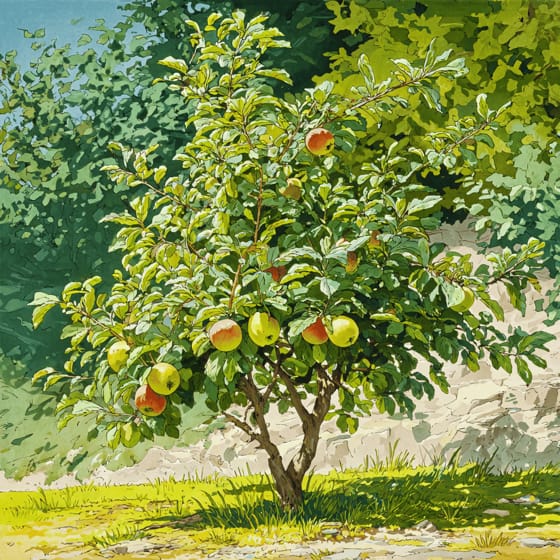
Malus domestica
Adult flies aid in pollinating apple blossoms.
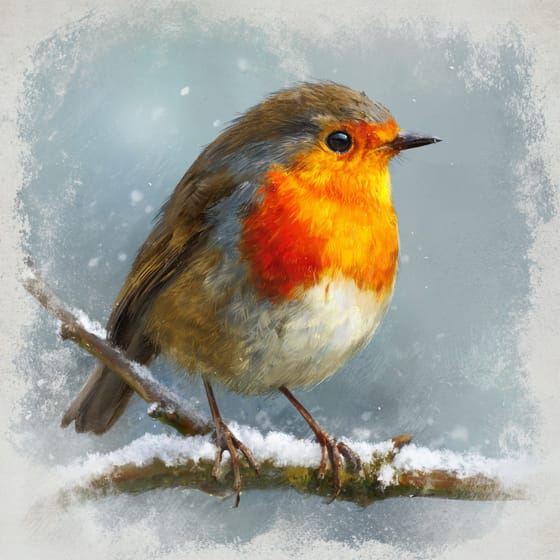
Erithacus rubecula
Hawthorn flies can be a food source for birds.
Furry describes animals possessing a dense covering of soft hair or fur.
Social animals live in organized groups, cooperating for survival benefits such as foraging, defense, and raising offspring.
This trait characterizes organisms whose diet consists entirely or primarily of plant material.
Describes plants that are particularly attractive and beneficial to a wide range of pollinating organisms.

Forest habitats are terrestrial environments dominated by dense tree cover, supporting a high diversity of plant and animal life.

Diurnal animals are primarily active during daylight hours, typically resting or sleeping at night.

Describes organisms that transfer pollen, enabling the fertilization and reproduction of plants.
No aliases listed yet.
Danger
1/5 · Very low
Hawthorn Flies are friendly and safe to watch. Just enjoy looking at them from a distance!
The easiest way to identify Hawthorn Fly is to use the Snappit nature identifier app.
15-25 mm
8-12 mm
5-10 days
Adults sip nectar and larvae munch on dead plants, helping decompose and enrich the soil!
Forests
Foraging
6
Zoom in to split clusters and explore where this object has been snapped.
Recent snaps will appear here as new observations are added.
Take the discovery with you
Snap it with Snappit to identify it, learn what makes it special, and add the discovery to your collection.






.jpg&width=800)



