





Helmeted Guineafowl
Numida meleagris
The Helmeted Guineafowl is a funny-looking bird with a bumpy head and spotted feathers. They love to run around and make silly sounds, often seen in groups in the grass.
Habitat: Grasslands
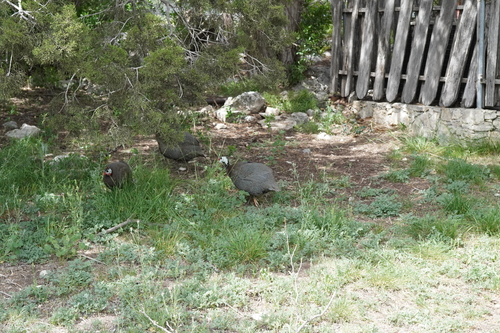
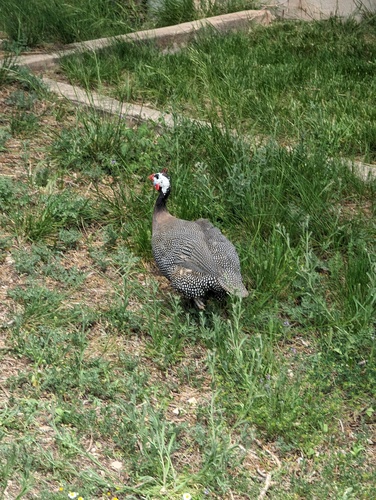
The Helmeted Guineafowl is a plump, dark grey bird covered in distinctive white spots. It has an unfeathered bluish-red head topped with a bony brown 'helmet' and red wattles. This unique head structure makes it easily recognizable.
Category
BirdsRarity
Common
Danger
1/5 · Very low
Snaps
5
Farmers often keep these birds to gobble up pesky ticks and insects!
Guineafowl are like natural alarm clocks with their very loud, cackling calls!
Their unique bony 'helmet' grows larger and more pronounced as they get older!
These social birds live in large flocks, sometimes with hundreds of members!
Helmeted Guineafowl can make very loud, repetitive calls that alert the whole flock to danger.
Helmeted Guineafowl has an excellent ability to forage and eat large numbers of ticks and insects.
Helmeted Guineafowl takes frequent dust baths that help them remove parasites from their feathers.
Omnivores, they forage for a wide variety of seeds, insects, and plant parts on the ground.
Panthera leo
Large predators hunt guineafowl for food.
Aquila rapax
Raptors can catch young or unwary birds.
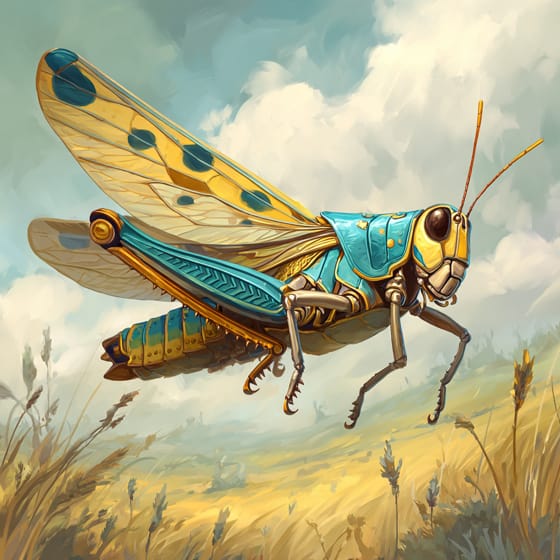
Locusta migratoria
Feeds on large numbers of insect pests.
Acacia senegal
Feeds on seeds and shelters in acacia trees.
Feathered describes animals, primarily birds, possessing a covering of feathers.
Marked with spots or patches of a different color.
Social animals live in organized groups, cooperating for survival benefits such as foraging, defense, and raising offspring.
This trait identifies organisms whose diet includes both plant and animal matter.

Grassland habitats are terrestrial biomes dominated by grasses and herbaceous plants, supporting a variety of grazing animals.

This trait identifies organisms whose diet primarily consists of insects and other small invertebrates.

Diurnal animals are primarily active during daylight hours, typically resting or sleeping at night.

This trait identifies organisms that exhibit exceptional swiftness in movement for hunting, escape, or travel.
No aliases listed yet.
Danger
1/5 · Very low
Watch from a distance and don't try to catch them; they are wild birds.
The easiest way to identify Helmeted Guineafowl is to use the Snappit nature identifier app.
53-58 cm
90-100 cm
1.1-1.6 kg
6-8 years
48 km/h
Omnivores, they forage for a wide variety of seeds, insects, and plant parts on the ground.
Grasslands
Zoom in to split clusters and explore where this object has been snapped.
Apr 12, 2024
Caverns of SonoraPhoto attribution
no rights reserved
License: CC0 1.0 ↗
Image may be shown cropped inside the card frame.
Apr 12, 2024
Caverns of SonoraPhoto attribution
no rights reserved
License: CC0 1.0 ↗
Image may be shown cropped inside the card frame.
Take the discovery with you
Snap it with Snappit to identify it, learn what makes it special, and add the discovery to your collection.




.jpg&width=800)









