.jpg&width=800)





European Golden-Plover
Pluvialis apricaria
The European Golden-Plover is a beautiful bird with golden spots on its back. It loves to live in open fields and can often be seen running around looking for food.
Habitat: Grasslands
The European Golden-Plover has a striking appearance with golden-yellow spangles across its dark brown back and wings. In breeding plumage, it features a bold black face and belly, sharply contrasted by a broad white stripe separating it from its golden crown and flanks.
Category
BirdsRarity
Common
Danger
1/5 · Very low
Snaps
Be the first to snap!
During courtship, males perform incredible aerial dives and tumbles to impress females.
Golden-Plovers often gather in huge flocks during migration, creating spectacular aerial displays!
The "Plover's Pageant" is a charming collective noun for a group of these beautiful birds.
Their chicks are precocial, meaning they can walk and feed themselves shortly after hatching.
European Golden-Plovers can migrate thousands of kilometers because they have incredible stamina and an innate sense of direction.
European Golden-Plovers can protect their eggs by creating a camouflaged nest scrape on the ground, making it hard to spot.
European Golden-Plovers can spot tiny insects and worms from a distance because they have excellent vision.
These birds mostly snack on juicy insects and worms, sometimes enjoying a berry or two!
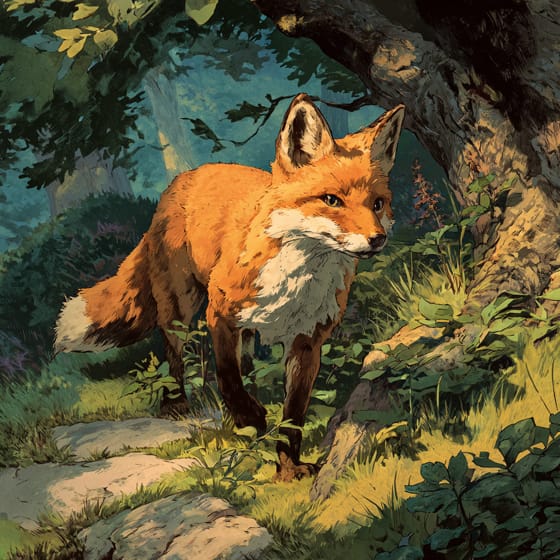
Vulpes vulpes
Preys on eggs and chicks.
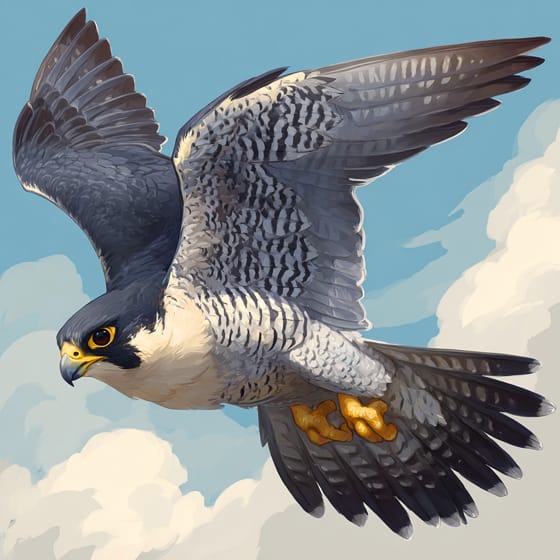
Falco peregrinus
Hunts adult plovers during migration.
Lumbricus terrestris
A primary food source for foraging plovers.
Molinia caerulea
Provides crucial nesting cover and insect habitat.
Feathered describes animals, primarily birds, possessing a covering of feathers.
Marked with spots or patches of a different color.
Singing animals produce complex vocalizations, often for purposes of attracting mates, defending territory, or communicating within their species.
Grassland habitats are terrestrial biomes dominated by grasses and herbaceous plants, supporting a variety of grazing animals.

This trait identifies organisms whose diet primarily consists of insects and other small invertebrates.

Diurnal animals are primarily active during daylight hours, typically resting or sleeping at night.

This trait identifies organisms that exhibit exceptional swiftness in movement for hunting, escape, or travel.

Migratory animals undertake seasonal movements from one region to another, typically in response to changes in climate or food availability.
No aliases listed yet.
Danger
1/5 · Very low
Always watch birds from a distance and do not try to catch them.
The easiest way to identify European Golden-Plover is to use the Snappit nature identifier app.
26-29 cm
67-76 cm
0.15-0.22 kg
5-12 years
85 km/h
These birds mostly snack on juicy insects and worms, sometimes enjoying a berry or two!
Grasslands
Zoom in to split clusters and explore where this object has been snapped.
Recent snaps will appear here as new observations are added.
Take the discovery with you
Snap it with Snappit to identify it, learn what makes it special, and add the discovery to your collection.




.jpg&width=800)








